Quail Hollow Area, ID
AC Unit Water Removal in Quail Hollow Area, IDAC Drain Pan Water Extraction & AC Condensate Drain Clearing
AC Unit Water Removal in Quail Hollow Area runs from emergency AC water removal and AC leak water cleanup to air conditioner restoration services.
Answered 24/7
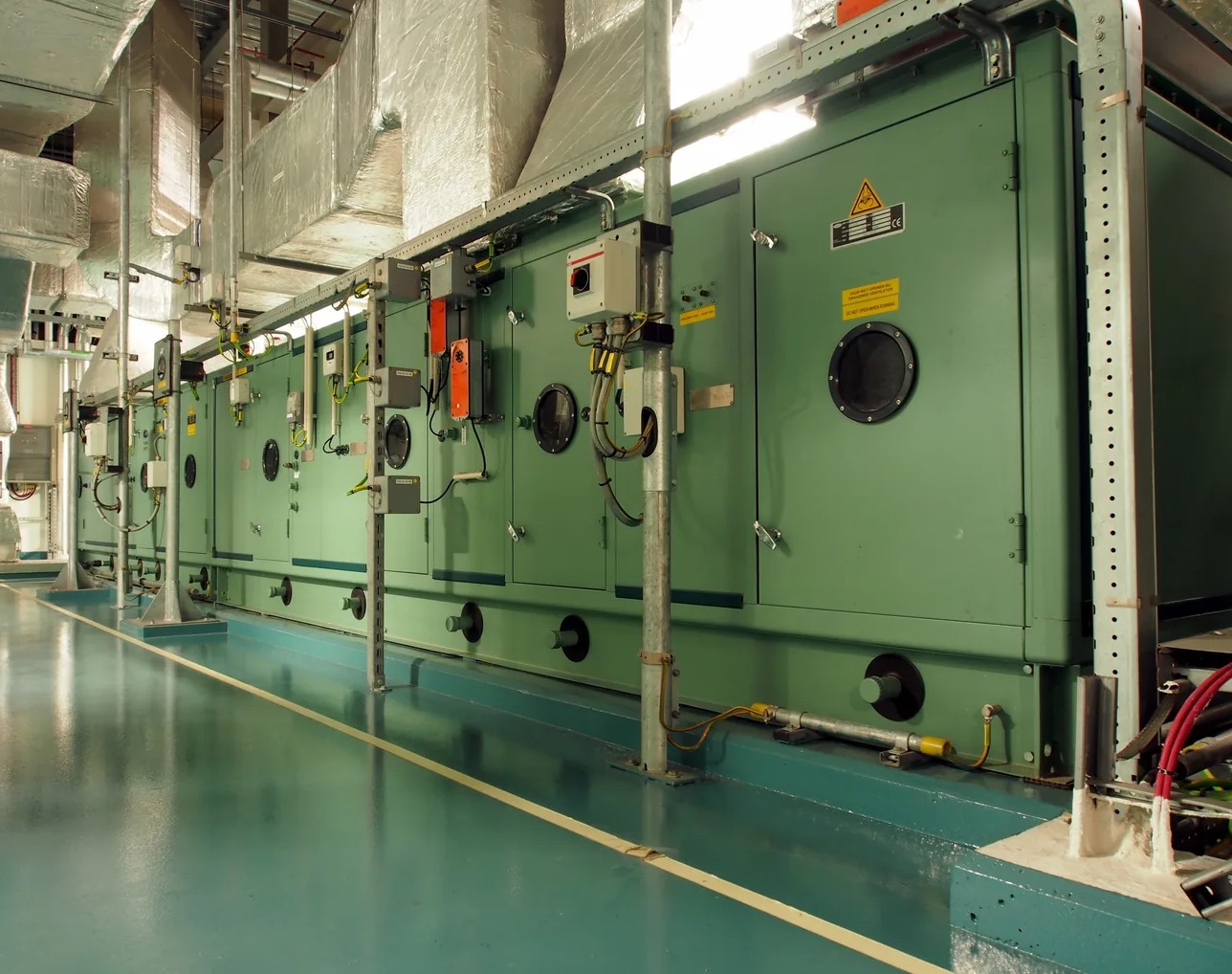
Professional AC Unit Water Removal in Quail Hollow Area, ID
AC Unit Water Removal in Quail Hollow Area deals with leaks from air handlers, condensate lines and drain pans. Acting early keeps a minor drip from soaking the insulation, the wall framing and the ceiling directly below the unit.
Complete AC Unit Water Removal and Repair in Quail Hollow Area
AC Drain Pan Water Extraction
Water sitting in a full or cracked drain pan is removed before it spills over into the ceiling or walls below.
AC Condensate Drain Clearing
A clogged condensate line is the most common reason an AC unit leaks. The pros flush out algae and sludge so condensate drains away again.
AC Leak Water Cleanup
Standing water around the indoor unit is pumped and vacuumed up first, before it wicks into drywall, baseboards or the subfloor.
AC Leak Water Extraction
Water is removed from every wet surface the leak reached, including closets and rooms below an attic air handler.
AC Leak Mold Prevention
Antimicrobial treatment is an add-on step after drying, not a substitute for removing wet materials that cannot be saved.
Signs of AC Water Damage Requiring Removal
Water Stains on Walls
Brown rings or peeling paint on the ceiling under an attic unit, or on walls near the closet, point to a slow leak.
Unusual AC System Noises
Gurgling or dripping sounds from the unit can mean water is backing up in the drain line.
Visible Mold Near AC
Dark spots on drywall or framing near the unit mean the area has stayed wet for days.
Musty Odors From Vents
A musty smell when the AC starts often means standing water in the pan or wet insulation in the ducts.
How AC Unit Water Removal Works in Quail Hollow Area
Step 1: AC Leak Water Cleanup
Pooled water is removed from around the air handler and from any rooms or ceilings the leak reached.
Step 2: AC Drain Pan Water Extraction
The primary and secondary pans are emptied and checked for cracks, rust holes or a stuck float switch.
Step 3: Component and Structure Drying
Wet panels, framing and subfloor are dried with targeted airflow and dehumidifiers until readings are normal.
Step 4: Documentation and Prevention
Photos and readings are recorded for insurance, and simple drain upkeep tips are shared to prevent a repeat.
What Leads to AC Unit Water Removal Needs in Quail Hollow Area
Disconnected Drain Line
A drain line knocked loose in the attic or closet empties condensate onto the ceiling or floor.
Failed Condensate Pump
Units that pump condensate uphill depend on a small pump. When it fails, the reservoir overflows.
Dirty Air Filters
A clogged filter cuts airflow, which can freeze the coil and cause overflow when it melts.
Age and Component Wear
Older units have worn fittings, brittle seals and corroded pans that start leaking together.
AC Unit Water Removal Services for All Properties in Quail Hollow Area
Residential AC Unit Water Removal
Attic air handlers in houses leak into bedroom and hallway ceilings. The pan is emptied, the ceiling checked with a meter and wet drywall dried or cut out before it sags.
Commercial AC Unit Water Removal
Commercial systems have larger pans and longer drain runs. Clearing the line and drying ceiling tiles and carpet keeps the space open and safe for staff and customers.
AC Unit Water Removal vs. DIY: When to Call the Pros
DIY works for a small puddle on tile that you catch right away and wipe dry. Wet carpet and pad, or drywall that feels soft, usually need professional extraction and drying equipment to dry fully.
Estimating Your AC Unit Water Removal Cost in Quail Hollow Area
An attic unit that leaked all night costs more to fix than a closet leak caught the same day. In Quail Hollow Area, calling early is the simplest way to keep the bill down.
Required Drying Time
Dense materials and enclosed spaces take longer to dry, which means more equipment days.
Affected Component Count
The more of the system that got wet, such as the blower, panels and insulation, the more drying time is needed.
Secondary Damage Presence
Wet ceilings, swollen baseboards or damp framing add removal and repair work to the job.
Does Insurance Cover AC Unit Water Removal?
Coverage for AC unit water removal varies from policy to policy. The pros document the damage and the drying, but your insurer decides what is covered and what is not, so ask early in the claim.
Reasons to Select Local Pros in Quail Hollow Area for AC Unit Water Removal
Detailed Moisture Documentation
Photos and moisture readings are recorded at each visit to support your insurance claim.
Clear Process Communication
Each step is explained before work starts, so you know what is being removed and why.
Air Conditioner Restoration Focus
Drywall, trim and ceiling repairs can be handled after drying, so one job covers the whole leak.
24/7 Emergency AC Unit Water Removal in Quail Hollow Area
Do not wait for a stained ceiling to start sagging under the weight of the water. Call (208) 537-2633 now for AC unit water removal in Quail Hollow Area and get the drying started.
Call Now (208) 537-2633AC Unit Water Removal Service Area Including Quail Hollow Area
Homes and businesses throughout Quail Hollow Area can get AC drain pan water extraction and wet AC unit component drying as part of AC unit water removal.
Your AC Unit Water Removal Questions Addressed
How quickly should I deal with an AC leak?
Right away. Water that sits for more than a day or two soaks into drywall and insulation and raises the risk of microbial growth.
How long does drying take after an AC leak?
Often several days, depending on the materials and how long they were wet. Daily readings track progress.
What is involved in AC unit water removal?
Standing water is extracted, the condensate line is cleared, and wet materials are dried with air movers and dehumidifiers until moisture readings are normal.
What happens during AC water extraction?
Pumps and extractors remove water from the pan, floor and carpet, then moisture meters check walls and subfloor for hidden water.
Why does the drain pan need to be emptied?
A full pan overflows into ceilings and floors. Emptying and inspecting it stops the spill and shows whether the pan is cracked.