Indian Creek Area, ID
After Hours Water Removal in Indian Creek Area, IDBasement Flood Water Removal & Flooded Carpet Water Removal
After Hours Water Removal in Indian Creek Area runs from emergency water extraction and sewage backup water extraction to ceiling leak water removal.
Answered 24/7
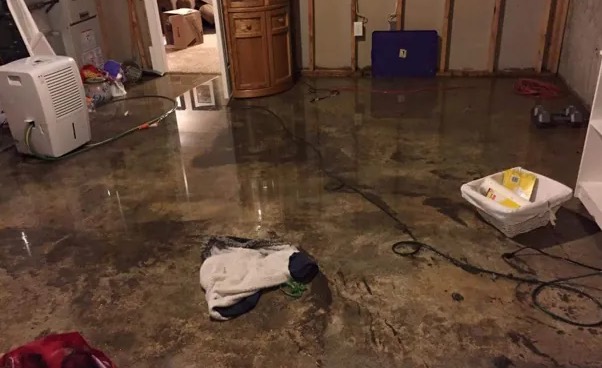
24/7 After Hours Water Removal in Indian Creek Area, Idaho
Pipes, water heaters and washing machines do not fail on a schedule. When water starts spreading at night or over a weekend in Indian Creek Area, waiting until Monday lets it soak into flooring, drywall and framing.
Detailed After Hours Water Removal Solutions in Indian Creek Area
Basement Flood Water Removal
Below-grade rooms dry slowly because the air is cool and damp. Dehumidifiers run until concrete and framing readings drop to normal.
Flooded Carpet Water Removal
Wet carpet is lifted at the edges so air can reach the pad and subfloor. Pad that soaked up dirty water is pulled out and discarded.
Sewage Backup Water Extraction
Sewage backups need fast extraction to limit contamination. The area is contained so dirty water is not tracked into clean rooms.
Appliance Leak Water Cleanup
Water from an appliance leak often spreads under cabinets and flooring. Moisture meters find it, and toe kicks may be removed to dry the space underneath.
Emergency Structural Drying Services
The drying plan is adjusted each day based on readings, adding or moving equipment until the structure is dry.
Signs You Need After Hours Water Damage Services in Indian Creek Area
Squeaky or Sagging Floors
A floor that squeaks or dips in one spot may have a wet, weakened subfloor underneath.
Wet Spots on Walls
Damp or discolored patches on drywall, especially near the floor or around fixtures, mean water is in the wall cavity.
Persistent Musty Odors
A musty smell that does not go away often means hidden moisture under flooring or inside walls.
Visible Mold or Mildew
Dark spots on drywall, trim or carpet backing mean an area has stayed wet for several days.
How After Hours Water Removal Works in Indian Creek Area
Step 1: Emergency Water Damage Report
The water source, the type of water and the affected rooms are checked and recorded before work starts.
Step 2: Bulk Water and Sewage Extraction
Clean or contaminated water is extracted with the right tools, and contaminated materials are removed safely.
Step 3: Targeted Drying of Building Materials
Wet drywall, subfloor and framing get directed airflow, with holes or removed baseboards where needed.
Step 4: Final Inspection and Documentation
Final readings confirm the structure is dry, and the drying records are handed over for insurance.
What Causes After Hours Water Damage in Indian Creek Area
Natural Disaster Flooding
Rising water from heavy rain or flash flooding can enter several rooms at once.
Foundation Cracks and Seepage
Cracks in a slab or foundation wall let groundwater seep in after heavy rain.
Roof Leaks and Damage
Missing shingles, worn flashing and clogged gutters let rainwater into attics and ceilings.
Sprinkler System Failures
Fire sprinkler heads and lines can leak or break, soaking a room quickly.
Emergency Water Removal for All Properties in Indian Creek Area
Residential After Hours Water Removal
At home, an after-hours leak usually means a wet kitchen, laundry room or bathroom spreading into hallways. Water is extracted first, then floors, cabinets and walls are dried.
Commercial After Hours Water Removal
For businesses, a leak found when the building opens may have run all night. Extraction and drying can start before the workday begins, so the space reopens sooner.
After Hours Water Removal vs. DIY: When to Call the Pros
Towels and a shop vac handle a small spill. They cannot pull water out of carpet pad, wall cavities or subflooring, which is where most of the damage hides after a larger leak.
Understanding Emergency Water Removal Costs in Indian Creek Area
Pricing for after hours water removal in Indian Creek Area is set after an inspection. The pros measure the wet area, check hidden moisture and explain each item before starting.
Drying Time
Drying usually takes several days. Longer drying means more equipment rental and monitoring visits.
Access Complexity
Water in crawl spaces, ceilings or behind cabinets takes more work to reach and dry.
Material Saturation
Water that soaked into drywall, pad and subfloor takes longer to dry than water caught on a tile floor.
Does Insurance Cover After Hours Water Removal?
Many homeowner policies cover sudden water damage, such as a burst pipe, but not slow leaks or flooding from outside. Read your policy and call your insurer as soon as the water is under control.
Reasons to Select Local Experts for After Hours Water Removal
Structural Integrity Assessment
Floors, ceilings and walls are checked for soft spots or sagging before work begins.
Containment Action
The source is shut off and water is contained first, so it stops reaching new areas.
Focus on Mold Prevention
Drying wet materials quickly is the main way to limit microbial growth after a leak.
Round-the-Clock After Hours Water Removal for Indian Creek Area
Do not wait until morning for a leak that is still spreading. Call (208) 537-2633 now for after hours water removal in Indian Creek Area and get the extraction started.
Call Now (208) 537-2633Coverage Area for After Hours Water Removal from Indian Creek Area
Help with after hours water removal is available across Indian Creek Area, including emergency water extraction and flooded carpet water removal.
- After Hours Water Removal in Adrian
- After Hours Water Removal in Amity
- After Hours Water Removal in Annex
- After Hours Water Removal in Avimor
- After Hours Water Removal in Barber Valley
- After Hours Water Removal in Big Bend
- After Hours Water Removal in Black Cat
- After Hours Water Removal in Boise Hills Village
Your After Hours Water Removal Questions Addressed
Can walls be dried without removing drywall?
Often yes, if the water was clean and caught early. Small holes near the baseboard let air into the cavity to dry it.
How long does water damage cleanup take?
Extraction usually takes hours. Drying often takes several days, depending on the materials, the type of water and how long it sat.
Does after hours water removal help prevent microbial growth?
Yes. Mold usually starts on materials that stay wet for more than a day or two, so starting extraction sooner lowers the risk.
Is sewage backup water extraction dangerous?
Sewage carries bacteria and other contaminants. It should be extracted with protective gear, and porous materials it touched are usually removed.
What documentation is provided for insurance after water damage?
Photos, moisture readings, a list of removed materials and daily drying logs that show how the structure was dried.