Five Mile Creek Area, ID
Attic Water Damage Restoration in Five Mile Creek Area, IDAttic Drying Services & Wet Attic Insulation Removal
Attic Water Damage Restoration in Five Mile Creek Area runs from roof leak water removal and attic leak water cleanup to attic drying services.
Answered 24/7
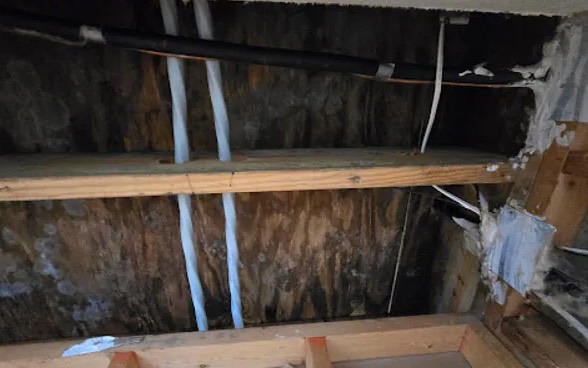
Expert Attic Water Damage Restoration Serving Five Mile Creek Area, ID
After a storm in Five Mile Creek Area, water can come into the attic through lifted shingles, damaged vents or a hole from a fallen limb. Getting it out quickly keeps the ceiling below intact.
The Attic Water Damage Restoration Process in Five Mile Creek Area, ID
Attic Drying Services
Air movers and dehumidifiers dry rafters, joists and roof decking. Attic heat speeds drying in summer, while cooler months need more dehumidification.
Wet Attic Insulation Removal
Blown-in insulation that got wet clumps and packs down. It is vacuumed out of the affected area and replaced after the attic is dry.
Roof Leak Water Removal
A roof leak often drips in one spot but spreads along rafters and decking. The pros follow the water path to find every wet area.
Attic Mold Prevention
After drying, an antimicrobial can be applied to roof decking and framing that were wet, to slow mold on surfaces that stay in place.
Emergency Attic Water Extraction
Water in the attic quickly becomes a ceiling problem. Fast extraction keeps the ceiling drywall below from sagging and falling.
When to Call for Attic Water Damage Restoration in Five Mile Creek Area
Wet or Sagging Insulation
Insulation that looks matted, dark or compressed, or sags between joists, has absorbed water.
Sagging or Bowed Roof Decking
Roof decking that sags or bows between rafters may be soaked or starting to rot.
Crumbling Drywall Tape
Ceiling drywall tape that bubbles, cracks or peels usually means water is soaking the seams.
Musty Odors in Home
A musty or damp smell on the upper floor can point to wet insulation or wood in the attic.
How Attic Water Damage Restoration Works in Five Mile Creek Area
Step 1: First Call and Inspection
The pros check the attic and ceiling, take photos and note where the water entered the attic.
Step 2: Bulk Water and Debris Removal
Standing water, wet insulation and fallen drywall are removed from the attic and room below.
Step 3: Drying and Monitoring
Readings are taken daily, and equipment is adjusted until every wet material is dry.
Step 4: Detailed Reporting for Insurance
A summary of the damage, the materials removed and the drying results is prepared for your claim.
Why Attics Get Water Damage in Five Mile Creek Area
Attic Appliance Leaks
AC air handlers in the attic overflow when the condensate line clogs or the pan cracks.
Burst or Leaking Plumbing Pipes
Supply lines and water heaters in the attic can leak or burst directly onto the ceiling.
Improperly Sealed Roof Penetrations
Gaps around vents, pipes and antennas that pass through the roof let water in when seals fail.
Condensation From Poor Ventilation
Warm, moist air from the house condenses on cold roof decking when the attic is poorly vented.
Residential and Commercial Attic Water Damage Restoration in Five Mile Creek Area
Residential Attic Water Damage Restoration
For townhomes and condos, an attic leak can cross into a neighbor's space. Fast drying and clear records help sort out repairs with the association.
Commercial Attic Water Damage Restoration
Property managers get photos and readings for each affected unit or suite, which simplifies insurance claims and roof repair planning.
Attic Water Damage Restoration vs. DIY: When to Call the Pros
If a ceiling is bulging with water, do not stand under it. Place a bucket nearby, keep people away and call local water removal experts to drain and remove it safely.
Factors Affecting Attic Water Damage Restoration Cost in Five Mile Creek Area
In Five Mile Creek Area, insulation removal and ceiling repair often make up a large share of the bill, along with drying equipment days in the attic.
Extent of Water Intrusion
A small leak at one spot costs less to dry than water spread across the attic and the rooms below.
Type of Water Involved
Clean rainwater is simpler to handle than water from a drain or a contaminated source.
Duration Before Response
A leak found right away costs less to fix than one that soaked the attic for weeks.
Does Insurance Cover Attic Water Damage Restoration?
Coverage for attic water damage restoration depends on the cause of the leak and your policy terms. The pros document the damage and drying, and your insurer decides what is covered.
Benefits of Local Pros for Attic Water Damage Restoration in Five Mile Creek Area
Advanced Moisture Detection
Moisture meters and thermal cameras find wet insulation, wood and drywall that look dry.
Roof Leak Location
The leak point is marked and photographed so the roofer can fix the right spot.
Structural Drying Expertise
Drying equipment is placed for attic framing and decking, where moisture is hardest to remove.
Round-the-Clock Attic Water Damage Restoration in Five Mile Creek Area
Ceiling bulging or sagging? Keep everyone out of the room below it and call (208) 537-2633 now for attic water damage restoration in Five Mile Creek Area.
Call Now (208) 537-2633Local Attic Water Damage Restoration Coverage Area
Homes and businesses throughout Five Mile Creek Area can get roof leak water removal and attic mold prevention as part of attic water damage restoration.
- Attic Water Damage Restoration in Adrian
- Attic Water Damage Restoration in Amity
- Attic Water Damage Restoration in Annex
- Attic Water Damage Restoration in Avimor
- Attic Water Damage Restoration in Barber Valley
- Attic Water Damage Restoration in Big Bend
- Attic Water Damage Restoration in Black Cat
- Attic Water Damage Restoration in Boise Hills Village
Attic Water Damage Restoration Information and Answers
Is attic mold prevention always needed after water damage?
Fast drying is always needed. Antimicrobial treatment is added when wood stayed wet long enough to need it.
How quickly should I respond to an attic leak?
Right away. Water on the attic floor soaks into the ceiling drywall within hours and can make it sag or fall.
How long does the attic drying process take?
Often several days, depending on how wet the wood is, the attic temperature and how much insulation was removed.
What are common signs of poor attic ventilation?
Damp or dark roof decking, rusted nails, musty smells and condensation on the underside of the roof.
What equipment is used for attic water removal?
Wet vacs, air movers, dehumidifiers, moisture meters and thermal cameras, plus bags and HEPA vacuums for insulation removal.