Collister, ID · Ada County
Attic Water Extraction in Collister, IDRoof Leak Water Removal & Wet Attic Insulation Removal
Attic Water Extraction in Collister covers attic leak water cleanup, wet attic insulation removal and attic drying services.
Answered 24/7
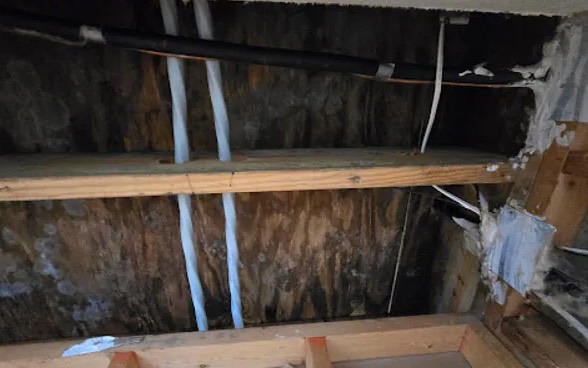
Emergency Attic Water Extraction for Collister Homes
Attic Water Extraction in Collister is planned around safety. Wet wiring, light fixtures and sagging drywall are checked before anyone works in the attic or the room below.
In Collister, Winstead Park, West Bench and North End Boise, attic leaks often go unnoticed until a ceiling stains. The pros get the water and wet insulation out before the ceiling has to be replaced.
Attic Water Extraction and Damage Mitigation in Collister
Roof Leak Water Removal
Roof leaks often show up far from where they start. Moisture meters trace the water back along the decking to its entry point.
Wet Attic Insulation Removal
Blown-in insulation that got wet is vacuumed out of the affected bays, and fiberglass batts are pulled and bagged.
Ceiling Water Damage Cleanup
Ceiling cleanup covers the room below: fallen drywall, wet insulation and debris are cleared, and the floor is protected.
Attic Leak Water Cleanup
Water from a roof or plumbing leak usually runs along rafters before it drips. Cleanup follows that path and removes water wherever it pooled.
Attic Mold Prevention
Moisture sources such as a bath fan venting into the attic are noted, since they keep the attic damp after the leak is fixed.
Symptoms Requiring Attic Water Extraction in Collister, ID
Water Dripping From Light Fixtures
Water dripping from a ceiling light or fan is a sign of an active leak above. Turn off that circuit.
Condensation on Attic Surfaces
Droplets or damp patches on the underside of the roof decking point to a moisture and ventilation problem.
Musty Odors From Attic
A musty smell from the attic hatch or upstairs rooms often points to wet insulation or wood.
Peeling Paint or Wallpaper
Paint that bubbles or peels on upstairs ceilings often has water behind it.
How Attic Water Extraction Works in Collister
Step 1: Attic Leak Source Identification
The pros trace the water to the roof, a pipe or the AC pan and stop it with a tarp or shut-off.
Step 2: Flooded Attic Cleanup
Water, wet debris and fallen insulation are removed, and stored items are moved out of the attic.
Step 3: Structural Drying Setup
Equipment is placed to dry the framing and decking, with the room below checked and dried too.
Step 4: Attic Mold Prevention Treatment
Once dry, wood that stayed wet for days can be cleaned and treated with an antimicrobial.
Why Attics Need Water Extraction in Collister
Bathroom Exhaust Fan Vent Leaks
Bathroom fans vented into the attic, or with loose ducts, release moisture onto the wood.
Gutter and Downspout Blockages
Clogged gutters and downspouts let water back up under the roof edge.
Skylight or Chimney Flashing Failure
Worn flashing around skylights and chimneys lets rain run down into the attic.
Roof Leaks From Storm Damage
Wind and hail can lift or break shingles, letting rain reach the decking and the attic floor.
Attic Water Extraction Across Property Types in Collister
Residential Attic Water Extraction
At home, attic water usually ends up on a bedroom or hallway ceiling. Water is extracted from above, wet insulation removed and the ceiling below dried or replaced.
Commercial Attic Water Extraction
In commercial buildings, water above a drop ceiling soaks tiles and insulation across several rooms. Wet tiles come down and the space above them is extracted and dried.
The Risks of DIY Attic Water Extraction in Collister
Patching the roof stops new water, but the attic stays wet underneath. After any roof repair, have the insulation and decking checked for leftover moisture.
What Influences Attic Water Extraction Cost in Collister
Roof repair is billed separately from extraction and drying. In Collister, both are needed after most roof leaks.
Type of Water Involved
Clean rainwater is simpler to remove than water from a drain line or a dirty source.
Access and Complexity
Low headroom, tight access hatches and narrow joists make the work slower.
Size of the Affected Area
A leak that spread across the whole attic costs more than one confined to a single bay.
Does Insurance Cover Attic Water Extraction?
Photos, moisture readings and drying logs from local water removal experts help support an insurance claim for attic water damage in Collister.
Benefits of Local Pros for Attic Water Extraction in Collister, ID
Dehumidification Plan
Dehumidifiers and air movers are placed for the attic's size and airflow, then adjusted daily.
Attic Drying
Framing, decking and the ceiling below are all dried, not just the spot under the leak.
Roof Leak Location
The leak point is marked and photographed so the roofer can fix the right spot.
24/7 Attic Water Extraction for Collister Emergencies
Ceiling bulging with water? Keep people out of the room below it and call (208) 537-2633 now for attic water extraction in Collister.
Call Now (208) 537-2633Attic Water Extraction for Collister and Surrounding Communities
Attic extraction and drying also cover homes and buildings in Winstead Park, West Bench and North End Boise, close to Collister, at any hour.
Common Attic Water Extraction Questions Answered
Why is wet insulation removal often necessary?
Soaked insulation stays wet for a long time, adds weight to the ceiling and loses its insulating value.
How do I know if I need emergency water extraction in the attic?
If water is dripping, the ceiling is bulging or stained, or you can see pooled water in the attic, call right away.
Why is a moisture inspection important after extraction?
Extraction removes pooled water, but wood and drywall stay wet inside. Meters show what still needs drying.
How does roof repair relate to attic water extraction?
The roof must be fixed or tarped to stop new water. Extraction and drying deal with the water already inside.
Can I remove attic water myself?
Small drips onto plastic can be handled, but pooled water and soaked insulation need safe footing, equipment and drying.