Midvale, ID · Washington County
Attic Water Extraction in Midvale, IDCeiling Water Damage Cleanup & Attic Drying Services
Attic Water Extraction in Midvale runs from attic leak water cleanup and attic drying services to ceiling water damage cleanup.
Answered 24/7
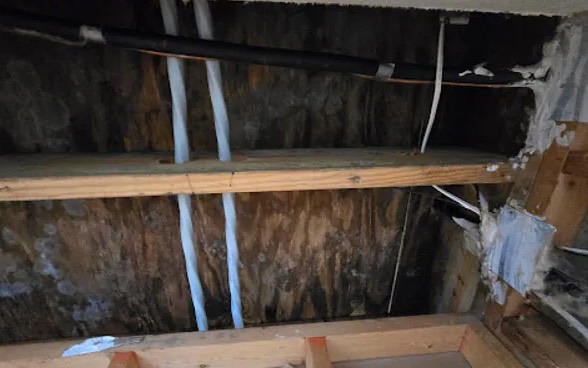
Attic Water Extraction Response in Midvale
Wet insulation is the main problem in attic leaks. It soaks up water, gets heavy and keeps the drywall underneath wet long after the leak stops. In Midvale homes, removing it is usually the first step after extraction.
Homeowners in Midvale can call (208) 537-2633 day or night when water is coming through the ceiling. Service also covers Cambridge, Weiser and Annex, with the same extraction and drying steps.
The Attic Water Extraction Process for Properties in Midvale
Ceiling Water Damage Cleanup
Ceiling cleanup covers the room below: fallen drywall, wet insulation and debris are cleared, and the floor is protected.
Attic Drying Services
Air movers and dehumidifiers are set on boards across the joists to dry rafters, decking and the ceiling below safely.
Wet Attic Insulation Removal
Soaked insulation holds water like a sponge and keeps the ceiling below wet. It is bagged and removed so the area underneath can dry.
Attic Moisture Inspection
Moisture meters and thermal cameras check decking, rafters, insulation and ceiling drywall for water that is not visible.
Emergency Attic Water Extraction
Emergency extraction in an attic starts with catching active drips, then pulling pooled water from between joists with wet vacs and pumps.
Indicators of Attic Water Damage in Midvale
Visible Mold in Attic
Dark spots on rafters or decking mean the wood has stayed damp for some time.
Condensation on Attic Surfaces
Droplets or damp patches on the underside of the roof decking point to a moisture and ventilation problem.
Water Stains on Ceiling
A brown or yellow stain on an upstairs ceiling usually means water is sitting on the drywall from the attic.
Increased Indoor Humidity
Upstairs rooms that feel humid or clammy may have moisture coming down from the attic.
How Attic Water Extraction Works in Midvale
Step 1: Initial Attic Moisture Inspection
Meters and thermal cameras show where water pooled and how far it spread from the leak.
Step 2: Roof Leak Water Removal
Rainwater is extracted from the attic floor, and a tarp is placed over roof damage if needed.
Step 3: Dehumidification and Air Scrubbing
Dehumidifiers dry the attic air while air scrubbers capture dust from insulation removal.
Step 4: Verification of Dryness
Final readings are compared with dry areas to confirm the attic and ceiling are back to normal.
Frequent Sources of Attic Leaks in Midvale
HVAC System Condensate Overflow
AC air handlers in the attic overflow when the condensate line clogs or the pan cracks.
Bathroom Exhaust Fan Vent Leaks
Bathroom fans vented into the attic, or with loose ducts, release moisture onto the wood.
Skylight or Chimney Flashing Failure
Worn flashing around skylights and chimneys lets rain run down into the attic.
Roof Leaks From Storm Damage
Wind and hail can lift or break shingles, letting rain reach the decking and the attic floor.
Attic Water Extraction for Homes and Businesses in Midvale
Residential Attic Water Extraction
At home, attic water usually ends up on a bedroom or hallway ceiling. Water is extracted from above, wet insulation removed and the ceiling below dried or replaced.
Commercial Attic Water Extraction
In commercial buildings, water above a drop ceiling soaks tiles and insulation across several rooms. Wet tiles come down and the space above them is extracted and dried.
The Risks of DIY Attic Water Extraction in Midvale
If it is safe, you can look into the attic with a flashlight to find the wet area. Removing water and insulation from between joists takes boards, protective gear and drying equipment.
Factors in Attic Water Extraction Pricing in Midvale, ID
Storm calls, tight attic access, insulation replacement and ceiling repair all add to the total for attic water extraction in Midvale.
Access and Complexity
Low headroom, tight access hatches and narrow joists make the work slower.
Extent of Water Damage
More water and a larger wet area mean more extraction time and more drying equipment.
Size of the Affected Area
A leak that spread across the whole attic costs more than one confined to a single bay.
Does Insurance Cover Attic Water Extraction?
Insurers often want to know what caused the leak and when it started. Notes on the leak point and roof condition help answer that.
Why Choose Local Pros for Attic Water Extraction in Midvale
24/7 Emergency Response
Help is available day or night when a storm or burst pipe puts water in the attic.
Ceiling Damage Mitigation
Sagging ceilings are drained and removed safely before they can fall into the room.
Industry Extraction Standards
Extraction and drying follow industry water damage standards, with readings at every visit.
Around-the-Clock Attic Water Extraction in Midvale
The longer insulation stays wet, the more ceiling has to be replaced. Call (208) 537-2633 for attic water extraction in Midvale as soon as you see a drip.
Call Now (208) 537-2633Attic Water Extraction Services Throughout Washington County
Other places served are listed below, each with its own page.
- Attic Water Extraction in Cambridge
- Attic Water Extraction in Weiser
- Attic Water Extraction in Annex
- Attic Water Extraction in Council
- Attic Water Extraction in Payette
- Attic Water Extraction in Huntington
- Attic Water Extraction in Ontario
- Attic Water Extraction in Fruitland
- Emergency Damage Restoration in 83645
- Storm Damage Restoration in 83645
- Water Damage Restoration in 83645
- Water Extraction Service in 83645
- Water Leak Detection in 83645
- Water Removal Service in 83645
Attic Water Extraction FAQs for Midvale Homeowners
Does a roof leak always cause attic water damage?
Almost always some. Even a small leak wets the decking and insulation, which should be checked and dried.
What are signs of hidden attic water damage?
Ceiling stains, a musty smell upstairs, matted insulation, dark spots on decking and rusted nails.
What happens during ceiling water damage cleanup?
Water in the ceiling is drained, sagging drywall is removed, debris is cleared and the cavity is dried before repairs.
What causes attic water damage?
Roof leaks, attic plumbing failures, overflowing AC drain pans, poor ventilation and bath fans venting into the attic.
What is the purpose of attic mold prevention?
To slow microbial growth on wood that stayed wet, by drying it quickly and treating it with an antimicrobial if needed.