West Valley, ID · Canyon County
Attic Water Extraction in West Valley, IDRoof Leak Water Removal & Attic Mold Prevention
Attic Water Extraction in West Valley runs from attic leak water cleanup and attic drying services to ceiling water damage cleanup.
Answered 24/7
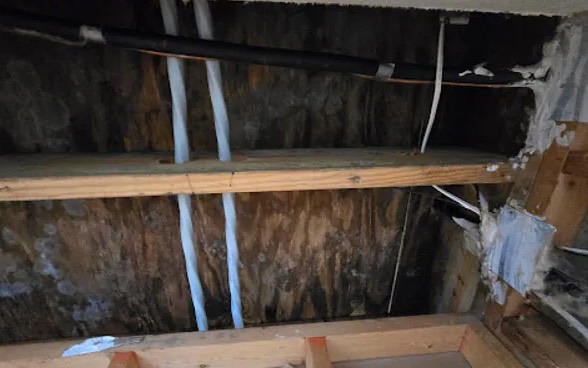
Local Attic Water Extraction Services in Canyon County
Attic Water Extraction in West Valley is planned around safety. Wet wiring, light fixtures and sagging drywall are checked before anyone works in the attic or the room below.
For homes in West Valley, part of Caldwell, attic water often comes from aging roofs and attic air handlers. Help with attic water extraction covers West Valley, Moss, Huston and Victory, from small drips to flooded attic floors.
Attic Water Extraction and Damage Mitigation in West Valley
Roof Leak Water Removal
Rain that entered through damaged shingles, flashing or vents is extracted, and the leak point is photographed so the roofer can find it.
Attic Mold Prevention
Drying the attic quickly is the main way to limit mold on wood. Treatment is added for areas that were wet for days.
Emergency Attic Water Extraction
When rain or a burst attic pipe floods the attic floor, water is vacuumed off the decking and drywall tops before it soaks through to the rooms below.
Ceiling Water Damage Cleanup
A ceiling holding water is punctured in a controlled way to drain it into buckets, then the soaked section is cut out.
Attic Moisture Inspection
Moisture meters and thermal cameras check decking, rafters, insulation and ceiling drywall for water that is not visible.
Detecting the Need for Attic Water Extraction in Your Attic
Condensation on Attic Surfaces
Droplets or damp patches on the underside of the roof decking point to a moisture and ventilation problem.
Insect Infestations in Attic
Wet wood draws insects, so new activity in the attic can be a sign of an ongoing leak.
Sagging or Bulging Ceilings
A ceiling that bulges or droops is holding water and can fall. Keep people out of the room below.
Increased Indoor Humidity
Upstairs rooms that feel humid or clammy may have moisture coming down from the attic.
How Attic Water Extraction Works in West Valley
Step 1: Initial Attic Moisture Inspection
Meters and thermal cameras show where water pooled and how far it spread from the leak.
Step 2: Roof Leak Water Removal
Rainwater is extracted from the attic floor, and a tarp is placed over roof damage if needed.
Step 3: Dehumidification and Air Scrubbing
Dehumidifiers dry the attic air while air scrubbers capture dust from insulation removal.
Step 4: Verification of Dryness
Final readings are compared with dry areas to confirm the attic and ceiling are back to normal.
Common Causes of Attic Water Damage in West Valley
Ice Dam Formation on Roof
Ice dams at the roof edge back melting snow up under the shingles and into the attic.
Gutter and Downspout Blockages
Clogged gutters and downspouts let water back up under the roof edge.
HVAC System Condensate Overflow
AC air handlers in the attic overflow when the condensate line clogs or the pan cracks.
Attic Appliance Malfunction
Water heaters, humidifiers and other attic equipment can fail and leak with no warning.
Residential & Commercial Attic Water Extraction in West Valley
Residential Attic Water Extraction
Homeowners often keep boxes and seasonal items in the attic. Wet items are moved out first so the floor can be extracted and the insulation removed.
Commercial Attic Water Extraction
Offices and stores need the area below protected during attic work. Extraction and drying are planned around business hours where possible.
Attic Water Extraction vs. DIY: When to Call the Pros
A bucket under the drip and a tarp over furniture are good first steps. Call local restoration pros if water is pooling in the attic, the ceiling is stained or sagging, or insulation is soaked.
Understanding Attic Water Extraction Cost in West Valley
Roof repair is billed separately from extraction and drying. In West Valley, both are needed after most roof leaks.
Extent of Water Damage
More water and a larger wet area mean more extraction time and more drying equipment.
Mold Prevention Steps
Antimicrobial treatment of wood that stayed wet is an added step, priced by area.
Size of the Affected Area
A leak that spread across the whole attic costs more than one confined to a single bay.
Does Insurance Cover Attic Water Extraction?
Photograph the ceiling, attic and any roof damage before cleanup starts, and keep receipts for tarping and emergency extraction for your claim.
Selecting Local Pros for Attic Water Extraction in West Valley
Ceiling Damage Mitigation
Sagging ceilings are drained and removed safely before they can fall into the room.
Wet Insulation Handling
Wet insulation is bagged and removed without spreading debris into the living space.
Mold Prevention Focus
Fast drying of attic wood is the main way to limit microbial growth after a leak.
Around-the-Clock Attic Water Extraction in West Valley
Water in the attic soaks the ceiling below fast. Call (208) 537-2633 for attic water extraction in West Valley at any hour, including storms and holidays.
Call Now (208) 537-2633Local Attic Water Extraction Areas Including West Valley
Each place listed below has its own page with local details.
Frequently Asked Questions About Attic Water Extraction
Why is a moisture inspection important after extraction?
Extraction removes pooled water, but wood and drywall stay wet inside. Meters show what still needs drying.
Is microbial growth common after an attic leak?
It is more likely when wood and insulation stay wet for days. Fast extraction and drying lower that risk.
What is involved in professional attic water extraction?
Catching drips, vacuuming pooled water from decking and drywall tops, removing soaked insulation and drying the framing and ceiling below.
How does roof repair relate to attic water extraction?
The roof must be fixed or tarped to stop new water. Extraction and drying deal with the water already inside.
Can wet attic insulation be saved?
Lightly damp areas sometimes dry, but soaked or matted insulation is usually removed and replaced after the attic is dry.