West Bench, ID · Ada County
Attic Water Removal in West Bench, IDAttic Mold Prevention & Emergency Attic Water Extraction
Get attic water removal in West Bench for attic moisture inspection, attic leak water cleanup and attic mold prevention.
Answered 24/7
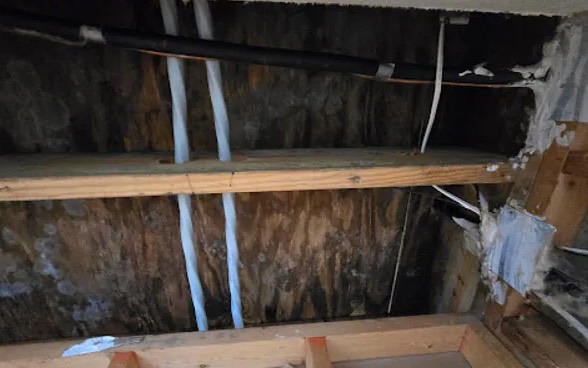
Professional Attic Water Removal in West Bench, ID
Attic Water Removal in West Bench covers both the attic and the room below. Water rarely stays on the attic floor; it soaks the ceiling and sometimes runs down the walls.
In West Bench, attic water calls often start with a ceiling stain after heavy rain or a dripping AC drain. Local water damage restoration experts serve West Bench, Winstead Park, Maple Grove and Garden City, removing water and wet insulation and drying the attic.
Detailed Attic Water Removal Solutions
Attic Mold Prevention
Fast drying is the main protection. Antimicrobial treatment is added only where framing and decking stayed wet long enough to need it.
Emergency Attic Water Extraction
Emergency extraction starts with buckets and containment under active drips, then moves to pulling pooled water off the attic floor.
Attic Moisture Inspection
Moisture meters and thermal cameras check rafters, decking, insulation and the ceiling below, even in spots that look dry.
Ceiling Water Damage Cleanup
Fallen drywall, wet insulation and debris in the room below are cleaned up, and floors and furniture are protected during the work.
Attic Drying Services
Air movers and dehumidifiers are placed on boards across the joists so they can run safely without stressing the drywall.
Warning Signs You Need Attic Water Removal
Visible Mold in Attic Spaces
Dark spots on rafters or roof decking mean the wood has stayed damp for days or longer.
Musty Odors in Your Home
A musty smell upstairs or at the attic hatch often points to wet insulation or damp wood above.
Wet or Damp Attic Insulation
Insulation that feels damp, looks dark or has packed down in one area has absorbed water.
Water Dripping From Light Fixtures
Water dripping from a ceiling light or fan means an active leak above. Turn off that circuit.
How Attic Water Removal Works in West Bench
Step 1: Source Control and Water Removal
The roof is tarped or the line shut off, and pooled water is removed from the attic floor.
Step 2: Wet Attic Cleanup and Debris Removal
Soaked insulation, wet debris and stored items are cleared so the wood and drywall can dry.
Step 3: Structural Drying and Dehumidification
Air movers and dehumidifiers are set on boards in the attic and run until readings drop.
Step 4: Final Attic Moisture Check
Decking, rafters and the ceiling below are tested to confirm they are dry before repairs.
Frequent Sources of Attic Water Damage in West Bench
Appliance Malfunctions Like Water Heater Leaks
Water heaters located in the attic can leak or fail, flooding the attic floor.
HVAC System Leaks or Drain Pan Overflow
An attic air handler overflows when its condensate line clogs or the drain pan cracks.
Condensation From Poor Attic Ventilation
Moist air from the house condenses on roof decking when attic ventilation is poor.
Roof Leaks From Damaged Shingles
Cracked, missing or lifted shingles let rain reach the decking and drip into the attic.
Attic Water Removal for Homes and Businesses
Residential Attic Water Removal
In two-story homes, attic water can run down inside walls to the floor below. Walls under the leak are checked with a meter and dried if needed.
Commercial Attic Water Removal
Flat-roof buildings often have water that travels far before it drips. The path above the ceiling is traced so every wet section is found.
Professional Attic Water Removal Compared to DIY
A roof repair stops new water from getting in, but the wet insulation and decking stay wet. After the repair, have the attic checked for remaining moisture.
Factors Influencing Attic Water Removal Cost
The cost of attic water removal in West Bench depends on how far the water spread, how much insulation is wet and whether ceiling drywall below must be replaced.
Extent of Water Damage
A leak confined to one bay costs less than water spread across the attic and the rooms below.
Access and Attic Complexity
Low headroom and small access hatches make attic work slower than open spaces.
Emergency Service Timing
Storm, night and holiday calls can cost more than a scheduled visit.
Does Insurance Cover Attic Water Removal?
Coverage for attic water removal depends on the cause and your policy terms. The pros document the damage and drying, and your insurer decides what is covered.
Advantages of Hiring Local Pros for Attic Water Removal in West Bench
Advanced Moisture Detection
Moisture meters and thermal cameras find wet wood and insulation that look dry.
Controlled Demolition Practices
Only wet insulation and drywall are removed, which keeps the repair as small as possible.
Source Identification
The pros trace the water to its source and note it for the roofer or plumber.
24-Hour Emergency Attic Water Removal Near West Bench
Water in an attic reaches the ceiling below fast. Call (208) 537-2633 for attic water removal in West Bench at any hour, including storms and holidays.
Call Now (208) 537-2633Local Attic Water Removal Coverage Area
Nearby areas served for attic water removal include Winstead Park, Maple Grove and Garden City, with the same water removal and drying steps used in West Bench.
Attic Water Removal Questions and Answers
Can wet attic insulation be saved?
Lightly damp areas sometimes dry, but soaked or matted insulation is usually removed and replaced after the attic dries.
What does water damaged attic restoration include after drying?
New insulation, any decking or framing repairs, and ceiling drywall replacement and paint in the room below.
How quickly should I deal with water in my attic?
Right away. Water on top of ceiling drywall soaks in and adds weight, and the ceiling can sag or fall within a day.
How can mold be prevented after attic water removal?
By drying wood quickly, fixing ventilation problems and treating framing that stayed wet with an antimicrobial.
How do professionals dry an attic?
With air movers and dehumidifiers placed on boards across the joists, checking moisture readings daily until the wood is dry.