Big Bend, OR
Basement Water Damage Restoration in Big Bend, ORBasement Sewer Backup Cleanup & Basement Drying Services
Basement Water Damage Restoration in Big Bend runs from basement water extraction and basement floor water removal to basement dehumidification.
Answered 24/7
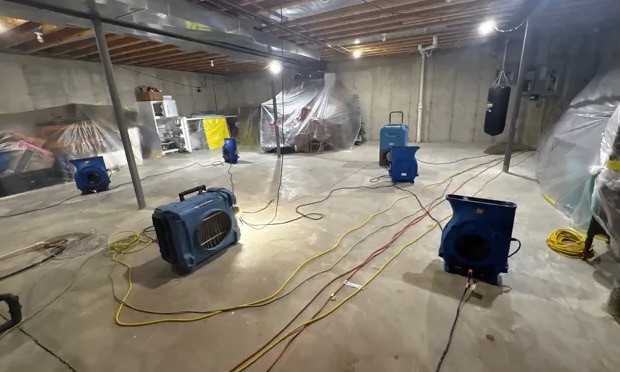
Basement Water Damage Restoration for Big Bend Homes
Basements collect water from every direction: rain seeping through walls, groundwater pushing up through the slab, sewage backing up through floor drains and pipes bursting overhead. In Big Bend, any of these can leave inches of water on the floor.
Professional Basement Water Damage Restoration Offered in Big Bend
Basement Sewer Backup Cleanup
Porous materials touched by sewage, such as carpet, pad and lower drywall, are removed. Concrete and framing are cleaned and disinfected.
Basement Drying Services
Drying a basement takes longer than drying an upper floor because the air is cool and the concrete holds moisture.
Basement Floor Water Removal
A slab can look dry on top while still holding water. Moisture readings show when it is ready for new flooring.
Basement Wall Drying
Concrete and block walls are dried with directed airflow and dehumidifiers, and checked with meters until readings drop.
Basement Dehumidification
Dehumidification continues until humidity and material readings are normal. Turning it off too early lets moisture return.
Warning Signs You Need Basement Water Damage Restoration
High Humidity Levels Below-Grade
A basement that stays damp and clammy even on dry days has a moisture source that needs attention.
Warped or Buckling Basement Floors
Laminate, wood or vinyl flooring that buckles or lifts in the basement has water underneath.
Mold on Surfaces
Dark spots on drywall, framing or stored boxes mean the area has stayed wet for days.
Sewage Odors or Backups
Sewage smells or water coming up through a floor drain mean the sewer line is backing up.
How Basement Water Damage Restoration Works in Big Bend
Step 1: Initial Assessment and Water Removal
The source and type of water are identified, and standing water is removed right away.
Step 2: Focused Drying of Materials
Walls, framing and the slab are dried with directed airflow, with wet insulation removed.
Step 3: Air Quality Management
Air scrubbers filter dust and odors from removal work while drying continues.
Step 4: Documentation for Restoration
Photos, readings and a list of removed materials are prepared for insurance and rebuilding.
Why Basement Water Damage Occurs in Big Bend
Failed or Clogged Drain Tile
Clogged or collapsed drain tile around the foundation lets water build up against the walls.
Faulty Basement Waterproofing
Old or failed waterproofing on foundation walls lets water through during wet weather.
Window Well Flooding
Window wells without drains or covers fill with rain and leak through basement windows.
Sewer Line Backups
A blocked or overloaded sewer line pushes wastewater up through basement drains and toilets.
Basement Water Damage Restoration for All Properties in Big Bend
Residential Basement Water Damage Restoration
Homeowners with older basements may have seepage that returns with each storm. Drying fixes the current damage, and the source is noted for a waterproofing contractor.
Commercial Basement Water Damage Restoration
Apartment and condo buildings often have shared basements with laundry and storage. Each area is extracted, dried and recorded for the building manager.
DIY vs. Professional Basement Water Damage Restoration in Big Bend
Fans alone can push damp air into the rest of the house. Basement drying needs dehumidifiers to pull the moisture out of the air and the concrete.
Cost Considerations for Basement Water Damage Restoration in Big Bend
Sewage cleanup, finished walls, storm-night calls and damaged appliances all add to the total for basement water damage restoration in Big Bend.
Water Category
Clean water costs less to handle than sewage, which needs protective gear, removal and disinfection.
Emergency Service
Night, weekend and storm calls can cost more than a scheduled visit.
Material Saturation
Finished basements with carpet, drywall and insulation take more removal work than bare concrete.
Does Insurance Cover Basement Water Damage Restoration?
Many homeowner policies cover sudden basement water from a burst pipe, but not seepage or groundwater. Sewer backup coverage is often a separate add-on, so check your policy.
Why Choose Local Pros for Basement Water Damage Restoration in Big Bend
Advanced Moisture Detection
Moisture meters and thermal cameras find water in walls and slabs that looks dry.
24/7 Emergency Response
Help is available day or night when water is rising in the basement.
Industry Drying Standards
Drying follows industry water damage standards, with readings taken at every visit.
Emergency Basement Water Damage Restoration Available in Big Bend
A flooded basement damages walls, furnaces, water heaters and belongings quickly. Call (208) 537-2633 for basement water damage restoration in Big Bend at any hour.
Call Now (208) 537-2633Local Basement Water Damage Restoration Coverage: Big Bend and Beyond
Help with basement water damage restoration is available across Big Bend, including basement water extraction and basement drying services.
- Basement Water Damage Restoration in Adrian
- Basement Water Damage Restoration in Amity
- Basement Water Damage Restoration in Annex
- Basement Water Damage Restoration in Avimor
- Basement Water Damage Restoration in Barber Valley
- Basement Water Damage Restoration in Black Cat
- Basement Water Damage Restoration in Boise Hills Village
- Basement Water Damage Restoration in Boise
Basement Water Damage Restoration FAQs
Is basement floor water removal different from carpet extraction?
Yes. Bare concrete is squeegeed and dried, while carpet and pad need extraction, and the pad is usually replaced.
What is the purpose of basement wall drying?
To remove water from drywall, insulation, framing and concrete so the walls can be repaired without trapping moisture.
Why is dehumidification so important after basement water removal?
Basements hold moisture in the air and concrete. Without dehumidifiers, walls and framing stay damp long after the water is gone.
How soon should I call for basement water extraction after a leak?
Right away. Water wicks up drywall and soaks framing within hours, and below-grade spaces are slow to dry.
Why is fast response important for below-grade flood restoration?
Basements dry slowly, so every hour of standing water adds days of drying and more material to replace.