Ustick, ID · Ada County
Basement Water Damage Restoration in Ustick, IDBasement Mold Prevention & Basement Sewer Backup Cleanup
Basement Water Damage Restoration in Ustick includes emergency basement flood cleanup, basement sewer backup cleanup and basement wall drying.
Answered 24/7
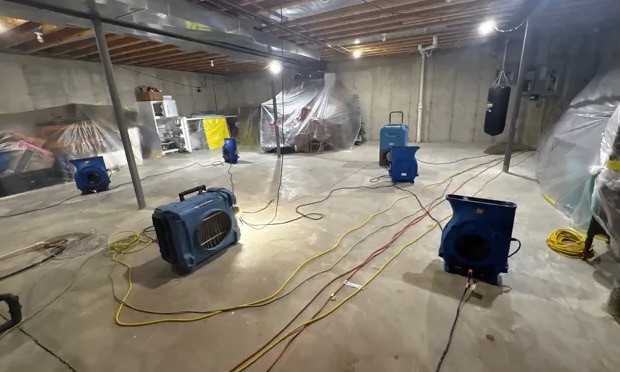
Basement Water Damage Restoration for Ustick Homes
Water in a basement does not stay on the floor. It wicks up drywall, soaks insulation and seeps into wood framing. In Ustick, a few inches of water can damage walls up to two feet high.
For homes in Ustick, part of Boise, basement water often comes from plumbing leaks or seepage during storms. Help with basement water damage restoration covers Ustick, McMillan, Maple Grove and West Bench.
Basement Water Damage Restoration Solutions Available in Ustick
Basement Mold Prevention
Fast extraction and drying are the main ways to limit microbial growth in a basement. Surfaces that stayed wet can be treated once dry.
Basement Sewer Backup Cleanup
After a sewer backup, cleanup and disinfection come before drying, so contaminated surfaces are not left in place.
Basement Dehumidification
Dehumidification continues until humidity and material readings are normal. Turning it off too early lets moisture return.
Basement Floor Water Removal
A slab can look dry on top while still holding water. Moisture readings show when it is ready for new flooring.
Basement Wall Drying
Finished basement walls hide wet insulation and framing. Removing the bottom of the drywall lets air reach the cavity.
When to Consider Basement Water Damage Restoration for Your Ustick Home
Efflorescence on Concrete Walls
White, chalky deposits on concrete walls mean water is moving through the concrete and leaving minerals behind.
Sewage Odors or Backups
Sewage smells or water coming up through a floor drain mean the sewer line is backing up.
Rusted Appliances or Pipes
Rust on the water heater, furnace base or pipes points to repeated moisture or past flooding.
Wet or Stained Basement Walls
Dark, wet patches or tide lines on basement walls show where water seeped in or wicked up.
How Basement Water Damage Restoration Works in Ustick
Step 1: Water Removal
Pumps and extractors remove standing water from the basement floor, starting at the lowest point.
Step 2: Targeted Moisture Evaporation
Air movers are aimed at wet walls, framing and the slab to speed evaporation.
Step 3: Humidity Control
Large dehumidifiers pull moisture from the basement air, with readings checked every day.
Step 4: Final Verification and Restoration
Final readings confirm the basement is dry, and the space is ready for drywall and flooring repairs.
Frequent Sources of Water Damage in Ustick
Water Heater or Appliance Leaks
Water heaters, washers and utility sinks in the basement can leak or fail without warning.
Plumbing Pipe Bursts or Leaks
Supply lines and drain pipes in basement ceilings can crack or burst onto the floor below.
Window Well Flooding
Window wells without drains or covers fill with rain and leak through basement windows.
Sewer Line Backups
A blocked or overloaded sewer line pushes wastewater up through basement drains and toilets.
Home and Business Basement Water Damage Restoration in Ustick
Residential Basement Water Damage Restoration
In homes, a flooded basement often means damaged carpet, drywall, a furnace or water heater and stored belongings. Water is pumped out, contents are moved and the space is dried.
Commercial Basement Water Damage Restoration
In commercial buildings, basements hold mechanical rooms, storage and sometimes offices. Water is removed and equipment areas are dried so systems can be checked and restarted.
When to DIY and When to Call the Pros for Basement Water Damage Restoration
You can move belongings off the floor and run a household dehumidifier. Drying soaked walls and slabs needs larger equipment and moisture readings to confirm the space is truly dry.
Basement Water Damage Restoration Cost in Ustick, ID
Before pricing basement water damage restoration in Ustick, the pros check the water depth, the type of water and what the basement is finished with.
Access Complexity
Narrow stairs, low ceilings and stored contents can make the work slower.
Dehumidification Needs
Large dehumidifiers may need to run longer in below-grade spaces than in upper floors.
Affected Square Footage
Larger basements need more extraction, more drying equipment and more days of drying time.
Does Insurance Cover Basement Water Damage Restoration?
Photos, moisture readings and drying logs from local water removal pros help support an insurance claim for basement water damage in Ustick.
Benefits of Local Pros for Basement Water Damage Restoration in Ustick
Mold Prevention Focus
Fast drying is the main way to limit microbial growth in a below-grade space.
Water Type Handling
Clean water, gray water and sewage are each handled with the right protection and removal steps.
Advanced Moisture Detection
Moisture meters and thermal cameras find water in walls and slabs that looks dry.
24/7 Emergency Basement Water Damage Restoration in Ustick
If water is near outlets or the electrical panel, do not walk into it. Call (208) 537-2633 for help in Ustick and wait for the power to be made safe.
Call Now (208) 537-2633Local Basement Water Damage Restoration Coverage: Ustick and Beyond
Nearby areas served for basement water damage restoration include McMillan, Maple Grove and West Bench, with the same pumping and drying steps used in Ustick.
- Basement Water Damage Restoration in McMillan
- Basement Water Damage Restoration in Maple Grove
- Basement Water Damage Restoration in West Bench
- Basement Water Damage Restoration in Winstead Park
- Basement Water Damage Restoration in Franklin
- Basement Water Damage Restoration in Collister
- Basement Water Damage Restoration in Meridian
- Basement Water Damage Restoration in Central Bench
Basement Water Damage Restoration FAQs
What causes the most common below-grade leaks in homes?
Sump pump failures, foundation cracks, clogged drain tile, sewer backups and burst pipes in the basement ceiling.
Does basement mold prevention need special steps after flooding?
Fast drying is the main step. Wood and concrete that stayed wet can be treated with an antimicrobial once dry.
How is basement sewer backup cleanup different from regular flooding?
Sewage carries bacteria, so it needs protective gear, removal of porous materials and disinfection before drying.
Should I try below-grade waterproofing myself after flooding?
Sealing a small crack can be a DIY job, but drying must come first, and larger waterproofing work should go to a contractor.
How is basement restoration documented for insurance?
With photos of the water level and damage, moisture readings, a list of removed materials and daily drying logs.