Centennial High Area, ID
Basement Water Removal in Centennial High Area, IDBasement Floor Water Damage & Sump Pump Failure Water Cleanup
Basement Water Removal in Centennial High Area covers basement water pump out, basement wall drying and basement dehumidification after a flood.
Answered 24/7
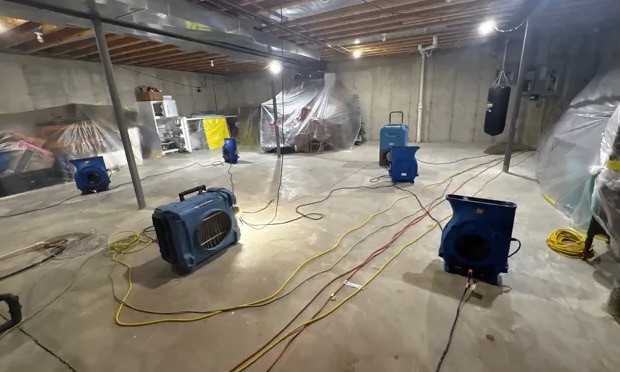
Basement Water Removal Solutions for Centennial High Area Homeowners
In Centennial High Area, a burst pipe or heavy rain can let water rise fast in a basement. The water usually spreads from the low point across the whole floor and into finished rooms.
The Basement Water Removal Process in Centennial High Area
Basement Floor Water Damage
Flooring that buckled or swelled is removed. Tile and sealed concrete can often be cleaned and dried in place.
Sump Pump Failure Water Cleanup
A backup pump or battery system is worth discussing with a plumber after the cleanup, since sump failures often repeat in storms.
Emergency Basement Flooding
Help is available any hour when water is rising in the basement from a storm, a sewer backup or a burst pipe.
Basement Dehumidification
Dehumidifiers run continuously during drying, and their output is checked to track how much water is still coming out of the materials.
Basement Moisture Inspection
Readings are recorded at each visit, giving you and your insurer a clear record of the drying.
Signs of Basement Water Damage in Centennial High Area
High Humidity and Condensation
Water on pipes and windows, or a constantly clammy feel, means basement humidity is too high.
Rusted Appliances or Furniture
Rust on appliance bases, furniture legs or metal shelving points to standing water or long-term dampness.
Soggy or Wet Carpeting
Carpet that feels damp or smells sour is holding water in the pad against the concrete.
Gurgling Sounds From Drains
Gurgling floor drains or slow drains can be an early sign of a sewer line problem.
How Basement Water Removal Works in Centennial High Area
Step 1: Safety Assessment and Pump Out
Electrical hazards are checked, then deep water is pumped outside away from the foundation.
Step 2: Content Removal and Damage Documentation
Wet belongings are moved, and photos record the water level and damaged materials.
Step 3: Targeted Water Removal and Drying
Carpet is extracted, wet drywall is cut back and air is aimed at walls and the slab.
Step 4: Sanitization and Moisture Control
Surfaces touched by dirty water are disinfected, and dehumidifiers keep humidity low.
Common Causes of Basement Flooding in Centennial High Area
Heavy Rainfall and Storm Flooding
Heavy rain saturates the soil and pushes water through walls, cracks and the floor joint.
High Water Table and Hydrostatic Pressure
A high water table presses groundwater against the slab and walls, forcing it inside.
Plumbing Leaks or Pipe Bursts
Supply lines, drain pipes and water heaters in the basement can leak or burst onto the floor.
Clogged or Damaged Gutters
Clogged gutters and short downspouts dump roof water right next to the foundation.
Professional Basement Water Removal for All Properties
Residential Basement Water Removal
In homes, a wet basement often means damaged carpet, drywall and stored belongings, plus a furnace or water heater sitting in water. Water is pumped out and the space dried.
Commercial Basement Water Removal
In commercial buildings, basements often house mechanical rooms and storage. Water is removed quickly so systems can be checked and restarted safely.
Professional Basement Water Removal Versus Do-It-Yourself
Fans by themselves can spread damp basement air through the rest of the house. Basement drying needs dehumidifiers that pull moisture out of both the air and the concrete.
Factors Affecting Basement Water Removal Cost
In Centennial High Area, the drying phase usually costs more than the pumping, because basements need equipment running for several days.
Basement Square Footage
Larger basements need more extraction, more drying equipment and more days of drying.
Additional Services
Antimicrobial treatment, contents cleaning and repairs after drying add to the cost.
Time of Service
Night, weekend and storm calls can cost more than a scheduled weekday visit.
Does Insurance Cover Basement Water Removal?
Flooding from outside water usually needs separate flood insurance. Water from a broken pipe or appliance inside is more often covered.
Advantages of Local Basement Water Removal Experts
Clear Communication
You get plain updates on what was found, what was removed and how drying is going.
Advanced Drying Equipment
Pumps, extractors and large dehumidifiers remove water much faster than household tools.
Detailed Damage Documentation
Photos, readings and drying logs are kept to support your insurance claim.
Emergency Basement Water Removal Available 24/7
Water still rising in the basement? Call (208) 537-2633 now for basement water removal in Centennial High Area before the water reaches finished rooms and stored belongings.
Call Now (208) 537-2633Basement Water Removal Serving Centennial High Area and Surroundings
Homes and businesses throughout Centennial High Area can get basement floor water damage and basement wall drying as part of basement water removal.
Basement Water Removal in Centennial High Area: Your Questions
Can wet drywall in a basement be saved?
Sometimes, if the water was clean and removed quickly. Soaked or contaminated drywall is cut out above the water line.
What should I do right after basement flooding?
Make power safe, avoid sewage, move belongings above the water, take photos and call for water removal.
Does basement flood cleanup include mold prevention?
Fast drying is the main prevention. Wood and concrete that stayed wet can be treated with an antimicrobial once dry.
How is basement wall drying done?
Wet drywall is cut back, insulation removed and directed airflow and dehumidifiers dry the studs and masonry.
What is involved in basement leak cleanup?
Stopping the leak, extracting the water, drying the floor and walls and checking for hidden moisture under flooring.