Linder Area, ID
Basement Water Removal in Linder Area, IDSump Pump Failure Water Cleanup & Emergency Basement Flooding
Basement Water Removal in Linder Area runs from basement water pump out and basement drying services to basement dehumidification.
Answered 24/7
Local Basement Water Removal Services for Linder Area
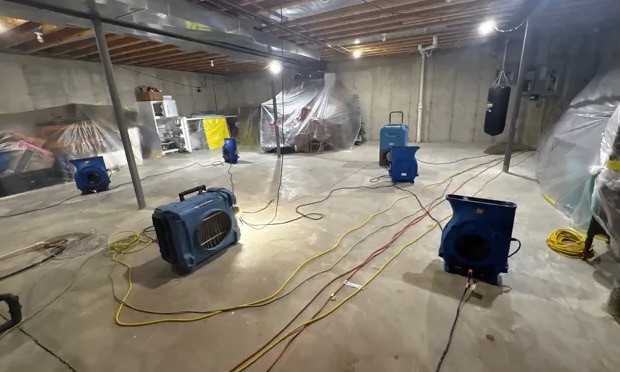
Dehumidification is the slow but necessary part of basement water removal in Linder Area. Pumps remove standing water quickly, but walls and concrete keep releasing moisture for days.
Comprehensive Basement Water Removal Solutions
Sump Pump Failure Water Cleanup
When a sump pump stops, groundwater spreads across the floor. The water is pumped out and the floor and lower walls are extracted.
Emergency Basement Flooding
Emergency response starts with making power safe, stopping the source if possible and pumping out the water.
Basement Dehumidification
Large dehumidifiers pull moisture from basement air, which lets walls, framing and the slab release the water they absorbed.
Basement Drying Services
Equipment stays until the basement reads dry, not just until it looks dry. Removing it early lets dampness return.
Basement Water Pump Out
Pumping starts once power to the basement is safe. Deep water goes first, then extractors handle the thin layer left on the floor.
When to Call for Basement Water Removal in Linder Area
Rusted Appliances or Furniture
Rust on appliance bases, furniture legs or metal shelving points to standing water or long-term dampness.
Wet or Damp Basement Walls
Basement walls that look dark, feel damp or show tide lines are taking on or holding water.
High Humidity and Condensation
Water on pipes and windows, or a constantly clammy feel, means basement humidity is too high.
Efflorescence on Concrete Walls
White, powdery deposits on concrete walls mean water is passing through the masonry.
How Basement Water Removal Works in Linder Area
Step 1: First Call and Initial Assessment
The source, the type of water and the depth are checked, and the water level is photographed.
Step 2: Bulk Water and Contaminant Removal
Pumps remove standing water, and carpet, pad or drywall touched by dirty water is removed.
Step 3: Drying With Monitoring
Dehumidifiers and air movers run around the clock, with readings logged every day on walls and slab.
Step 4: Post-Drying Evaluation and Documentation
Final readings and photos are compiled to show the basement is dry and what was removed.
Common Causes of Basement Water Damage in Linder Area
Heavy Rainfall and Storm Flooding
Heavy rain saturates the soil and pushes water through walls, cracks and the floor joint.
Sewer Line Backups and Blockages
A blocked sewer line can push wastewater up through basement floor drains and toilets.
Foundation Cracks and Seepage
Cracks in foundation walls and the slab let groundwater seep in during wet weather.
Improper Landscape Grading
Soil that slopes toward the house directs rainwater straight to the basement walls.
Professional Basement Water Removal for All Properties
Residential Basement Water Removal
Older homes may see seepage with every heavy storm. Water removal handles the current damage, and the entry point is noted for a waterproofing contractor.
Commercial Basement Water Removal
Multi-unit buildings with shared basements need each storage and laundry area pumped, dried and documented for the property manager.
Why DIY Basement Water Removal Often Fails in Linder Area
Fans by themselves can spread damp basement air through the rest of the house. Basement drying needs dehumidifiers that pull moisture out of both the air and the concrete.
Investing in Professional Basement Water Removal
Waterproofing and drainage work are separate costs. In Linder Area, they may be needed to stop the next flood.
Contamination Level
Sewage or dirty water needs protective gear, removal and disinfection, which costs more.
Water Depth and Volume
Deeper water takes more pumping time and usually means more materials got wet.
Basement Square Footage
Larger basements need more extraction, more drying equipment and more days of drying.
Does Insurance Cover Basement Water Removal?
Ask your adjuster early how your policy treats seepage and sewer backups, since many policies limit or exclude both kinds of water.
Benefits of Hiring Local Pros for Basement Water Removal in Linder Area
Focus on Drying Outcomes
Drying continues until readings are normal, not just until surfaces look dry.
Industry Drying Standards
Water removal and drying follow industry water damage standards, with readings at every visit.
Post-Service Moisture Verification
Final readings are recorded before equipment leaves, so you know the basement is dry.
Emergency Basement Flood Response in Linder Area
If water is near outlets, the furnace or the electrical panel, stay out of it. Call (208) 537-2633 for help in Linder Area and wait for power to be made safe.
Call Now (208) 537-2633Basement Water Removal Serving Linder Area and Surroundings
Help with basement water removal is available across Linder Area, including basement water pump out and basement drying services.
Answers to Top Basement Water Removal Queries
How does a basement moisture inspection work?
Moisture meters and thermal cameras check walls, floors and the slab, including behind finished walls and under flooring.
What causes basement floor water damage?
Storm seepage, burst pipes, appliance leaks, foundation cracks and sewer backups through floor drains are the usual sources.
Can wet drywall in a basement be saved?
Sometimes, if the water was clean and removed quickly. Soaked or contaminated drywall is cut out above the water line.
What happens during basement moisture control?
Dehumidifiers and air movers keep humidity low while materials dry, and readings confirm when the space is normal.
Why is fast water removal so important for basements?
Basements dry slowly, so every hour of standing water adds drying days and more materials to replace.