Southeast Boise, ID · Ada County
Basement Water Removal in Southeast Boise, IDBasement Drying Services & Basement Moisture Inspection
Basement Water Removal in Southeast Boise includes basement water pump out, basement drying services and basement moisture inspection.
Answered 24/7
Basement Water Removal Solutions for Southeast Boise Homeowners
A wet basement gets worse every hour the water stays. In Southeast Boise, water on a basement floor wicks up drywall, soaks carpet pad and seeps into the concrete, and cool below-grade air keeps it from drying on its own.
In Southeast Boise, Hillcrest, Harris Ranch and Central Bench, finished basements often hide water under flooring and behind drywall. The pros find and remove it before it causes lasting damage.
Specialized Basement Water Removal for Southeast Boise
Basement Drying Services
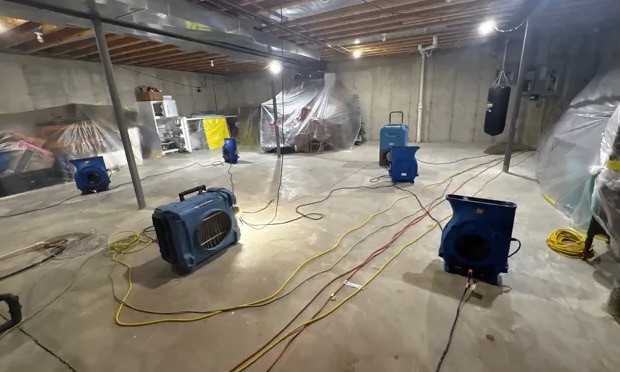
After pumping, air movers and dehumidifiers dry the walls, framing and slab. Readings are taken daily until every surface is back to normal.
Basement Moisture Inspection
An inspection shows how high water wicked up the walls and how far it spread under flooring, which sets the drying plan.
Basement Water Pump Out
When water is more than an inch or two deep, pumps move it far faster than wet vacs, which limits how long walls sit in water.
Sump Pump Failure Water Cleanup
When a sump pump stops, groundwater spreads across the floor. The water is pumped out and the floor and lower walls are extracted.
Basement Wall Drying
Opening the bottom of finished walls lets air reach the studs and sill plate, which otherwise stay wet behind the drywall.
Common Symptoms Requiring Basement Water Removal
High Humidity and Condensation
Water on pipes and windows, or a constantly clammy feel, means basement humidity is too high.
Efflorescence on Concrete Walls
White, powdery deposits on concrete walls mean water is passing through the masonry.
Sump Pump Failure or Overflow
A sump pit that is full, overflowing or has a pump that will not start means water is about to spread.
Mold or Mildew
Dark spots on drywall, framing or stored items mean the area has stayed wet for days.
How Basement Water Removal Works in Southeast Boise
Step 1: First Call and Initial Assessment
The source, the type of water and the depth are checked, and the water level is photographed.
Step 2: Bulk Water and Contaminant Removal
Pumps remove standing water, and carpet, pad or drywall touched by dirty water is removed.
Step 3: Drying With Monitoring
Dehumidifiers and air movers run around the clock, with readings logged every day on walls and slab.
Step 4: Post-Drying Evaluation and Documentation
Final readings and photos are compiled to show the basement is dry and what was removed.
Common Causes of Basement Water Damage in Southeast Boise
Sump Pump Malfunction or Power Loss
A sump pump that fails mechanically or loses power during a storm lets groundwater rise.
High Water Table and Hydrostatic Pressure
A high water table presses groundwater against the slab and walls, forcing it inside.
Foundation Cracks and Seepage
Cracks in foundation walls and the slab let groundwater seep in during wet weather.
Heavy Rainfall and Storm Flooding
Heavy rain saturates the soil and pushes water through walls, cracks and the floor joint.
Basement Water Removal for Homes and Businesses
Residential Basement Water Removal
In homes, a wet basement often means damaged carpet, drywall and stored belongings, plus a furnace or water heater sitting in water. Water is pumped out and the space dried.
Commercial Basement Water Removal
In commercial buildings, basements often house mechanical rooms and storage. Water is removed quickly so systems can be checked and restarted safely.
The Risks of DIY Basement Water Removal
A small puddle on bare concrete can be handled with a wet vac, towels and a dehumidifier. Call local water damage pros if water reached carpet, drywall or framing, or covers much of the floor.
Factors Affecting Basement Water Removal Cost
Waterproofing and drainage work are separate costs. In Southeast Boise, they may be needed to stop the next flood.
Basement Square Footage
Larger basements need more extraction, more drying equipment and more days of drying.
Drying Time Required
Basements dry slowly, and each extra day of equipment adds to the total.
Time of Service
Night, weekend and storm calls can cost more than a scheduled weekday visit.
Does Insurance Cover Basement Water Removal?
Photograph the water level, damaged belongings and appliances before cleanup, and keep receipts for emergency pumping and drying equipment for your adjuster.
Benefits of Hiring Local Pros for Basement Water Removal in Southeast Boise
Clear Communication
You get plain updates on what was found, what was removed and how drying is going.
24/7 Emergency Response
Help is available day or night when water is rising in the basement.
Post-Service Moisture Verification
Final readings are recorded before equipment leaves, so you know the basement is dry.
Emergency Basement Flood Response in Southeast Boise
Storm night, weekend or holiday, local water damage pros handle basement water in Southeast Boise. Call (208) 537-2633 to get pumps running and drying started.
Call Now (208) 537-2633Communities Served for Basement Water Removal
Nearby areas served for basement water removal include Hillcrest, Harris Ranch and Central Bench, with the same pumping and drying steps used in Southeast Boise.
- Basement Water Removal in Hillcrest
- Basement Water Removal in Harris Ranch
- Basement Water Removal in Boise
- Basement Water Removal in Central Bench
- Basement Water Removal in Morris Hill
- Basement Water Removal in North End Boise
- Basement Water Removal in Maple Grove
- Basement Water Removal in Winstead Park
Common Basement Water Removal Questions Answered
How long does basement drying take?
Often several days or longer, because concrete and cool basement air hold moisture. Daily readings show when it is done.
Can I dry my basement myself with fans?
Fans help with surface water, but walls and concrete need dehumidifiers and readings to dry fully.
What should I do right after basement flooding?
Make power safe, avoid sewage, move belongings above the water, take photos and call for water removal.
What causes basement floor water damage?
Storm seepage, burst pipes, appliance leaks, foundation cracks and sewer backups through floor drains are the usual sources.
Is a sump pump failure an emergency?
Yes, especially during rain. Groundwater can rise quickly once the pump stops, flooding the floor and finished rooms.