West Valley, ID · Canyon County
Basement Water Removal in West Valley, IDBasement Water Pump Out & Basement Floor Water Damage
After a burst pipe or storm, Basement Water Removal in West Valley means basement water pump out, basement wall drying and basement drying services.
Answered 24/7
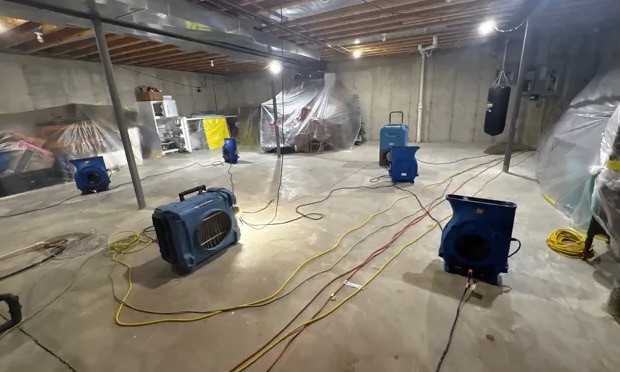
Professional Basement Water Removal in West Valley, ID
Finished basements in West Valley take more work after a flood. Carpet, pad, laminate, drywall and insulation all trap water against the concrete and framing.
For homes in West Valley, part of Caldwell, basement water often comes from seepage or a plumbing leak. Help with basement water removal covers West Valley, Moss, Huston and Victory, from damp corners to fully flooded floors.
The Basement Water Removal Process in West Valley
Basement Water Pump Out
When water is more than an inch or two deep, pumps move it far faster than wet vacs, which limits how long walls sit in water.
Basement Floor Water Damage
Flooring that buckled or swelled is removed. Tile and sealed concrete can often be cleaned and dried in place.
Basement Wall Drying
Opening the bottom of finished walls lets air reach the studs and sill plate, which otherwise stay wet behind the drywall.
Emergency Basement Flooding
A flooded basement threatens the furnace, water heater and anything stored on the floor. Fast pumping protects what can still be saved.
Basement Drying Services
After pumping, air movers and dehumidifiers dry the walls, framing and slab. Readings are taken daily until every surface is back to normal.
Signs of Basement Water Damage in West Valley
High Humidity and Condensation
Water on pipes and windows, or a constantly clammy feel, means basement humidity is too high.
Water Stains on Walls or Ceiling
Stains on lower walls or the ceiling below a bathroom or kitchen point to a leak.
Musty Odors and Mold Smell
A musty or damp smell in the basement points to wet materials hidden somewhere in the space.
Warped or Buckling Flooring
Flooring that buckles, lifts or feels spongy has water trapped between it and the slab.
How Basement Water Removal Works in West Valley
Step 1: First Call and Initial Assessment
The source, the type of water and the depth are checked, and the water level is photographed.
Step 2: Bulk Water and Contaminant Removal
Pumps remove standing water, and carpet, pad or drywall touched by dirty water is removed.
Step 3: Drying With Monitoring
Dehumidifiers and air movers run around the clock, with readings logged every day on walls and slab.
Step 4: Post-Drying Evaluation and Documentation
Final readings and photos are compiled to show the basement is dry and what was removed.
Why Basements Flood in West Valley
Sewer Line Backups and Blockages
A blocked sewer line can push wastewater up through basement floor drains and toilets.
Appliance Malfunctions and Overflows
Washers, utility sinks and water softeners in the basement can overflow or leak.
Improper Landscape Grading
Soil that slopes toward the house directs rainwater straight to the basement walls.
Foundation Cracks and Seepage
Cracks in foundation walls and the slab let groundwater seep in during wet weather.
House and Business Basement Water Removal in West Valley
Residential Basement Water Removal
In homes, a wet basement often means damaged carpet, drywall and stored belongings, plus a furnace or water heater sitting in water. Water is pumped out and the space dried.
Commercial Basement Water Removal
In commercial buildings, basements often house mechanical rooms and storage. Water is removed quickly so systems can be checked and restarted safely.
Professional Basement Water Removal Versus Do-It-Yourself
A small puddle on bare concrete can be handled with a wet vac, towels and a dehumidifier. Call local water extraction experts if water reached carpet, drywall or framing, or covers much of the floor.
Understanding Basement Water Removal Pricing
A basement pumped out the same day in West Valley usually needs less drywall and flooring replaced than one left wet for days.
Basement Square Footage
Larger basements need more extraction, more drying equipment and more days of drying.
Time of Service
Night, weekend and storm calls can cost more than a scheduled weekday visit.
Affected Materials
Finished walls, carpet and laminate take more removal work than bare concrete.
Does Insurance Cover Basement Water Removal?
Coverage for basement water removal depends on the water source and your policy. The pros document the damage and drying, and your insurer decides what is covered.
The Value of Professional Basement Water Removal
Post-Service Moisture Verification
Final readings are recorded before equipment leaves, so you know the basement is dry.
Detailed Damage Documentation
Photos, readings and drying logs are kept to support your insurance claim.
Moisture Inspection
Meters and thermal cameras find water in walls, floors and slab that looks dry.
24/7 Emergency Basement Water Removal in West Valley
Water still rising in the basement? Call (208) 537-2633 now for basement water removal in West Valley before the water reaches finished rooms and stored belongings.
Call Now (208) 537-2633Basement Water Removal Serving West Valley and Surroundings
Other places served are listed below, each with its own page.
Frequently Asked Basement Water Removal Questions
How is basement wall drying done?
Wet drywall is cut back, insulation removed and directed airflow and dehumidifiers dry the studs and masonry.
What should I do right after basement flooding?
Make power safe, avoid sewage, move belongings above the water, take photos and call for water removal.
How does a basement moisture inspection work?
Moisture meters and thermal cameras check walls, floors and the slab, including behind finished walls and under flooring.
What is emergency basement flooding response?
Help any hour to make power safe, stop the source, pump out water and start drying before more damage sets in.
Is a sump pump failure an emergency?
Yes, especially during rain. Groundwater can rise quickly once the pump stops, flooding the floor and finished rooms.