Council, ID · Adams County
Behind Wall Water Extraction in Council, IDWet Drywall & Wall Leak Source Identification
Behind Wall Water Extraction in Council runs from wall leak source identification and wall cavity water extraction to moisture barrier installation.
Answered 24/7
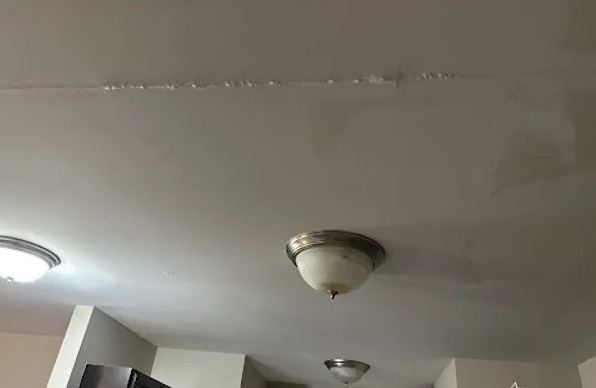
Expert Behind Wall Water Extraction Services for Council Homes
Not every wet wall needs to be torn out. In Council, drywall that got wet from a clean water leak and was caught early can often be dried in place with directed airflow.
Homes in Council and nearby Cambridge, Donnelly and McCall have plumbing, wiring and insulation inside their walls, all of which can hide a leak. The pros find the water, open the wall where needed and dry the cavity.
The Behind Wall Water Extraction Process in Council, ID
Wet Drywall
A meter shows exactly how high the water wicked up the drywall, so the cut is made only where it is needed.
Wall Leak Source Identification
Leak tracing uses readings, thermal images and the pattern of the stain to find where water enters the wall.
Post-Extraction Wall Sanitization
Treatment is done on dry surfaces, after removal and drying, so it does not trap moisture inside the wall.
Moisture Barrier Installation
Some exterior walls have a plastic vapor barrier behind the drywall. After drying, a damaged barrier is replaced so the wall works as designed.
Interior Wall Drying Services
Directed drying often saves drywall that would otherwise be cut out, as long as the water was clean and caught early.
Signs of Hidden Water Damage in Council Homes
Dampness on Wall Surfaces
A wall that feels cool and damp to the touch may have wet insulation or drywall behind it.
Unexplained Water Stains
A stain on a wall with no obvious source usually means water is coming from inside the wall or above it.
Warped or Bubbling Drywall
Drywall that bubbles, bows or warps has water behind it pushing on the paper face.
Soft Spots When Pressing Wall
Drywall that gives when pressed has been weakened by water and may need to be cut out.
How Behind Wall Water Extraction Works in Council
Step 1: Emergency Assessment and Containment
The water is shut off, outlets in the wet wall are checked and the area is protected.
Step 2: Targeted Water Extraction From Walls
Water is removed from the cavity and the floor, with wet insulation bagged and carried out.
Step 3: Drying and Dehumidification
Equipment is placed to push dry air into the wall, with dehumidifiers removing moisture from the room.
Step 4: Final Inspection and Documentation
Readings are compared to dry areas, and photos and logs are provided for insurance.
Common Causes of Hidden Water Damage in Council
Siding or Stucco Penetration
Cracks in siding or stucco, and gaps around fixtures, let rain into the wall cavity.
HVAC Condensate Drain Problems
A clogged AC condensate line can overflow into a wall or closet near the air handler.
Leaking Plumbing Inside Walls
Supply lines, drains and fittings inside walls can drip for months before the damage shows.
Burst Pipe From Freezing
Pipes in exterior walls can freeze, split and leak when temperatures drop.
Residential and Commercial Behind Wall Water Extraction in Council
Residential Behind Wall Water Extraction
Older homes in particular may have plaster walls that hold water differently than drywall. Readings guide whether plaster can be dried in place.
Commercial Behind Wall Water Extraction
Restaurants and medical offices need cavities cleaned and disinfected if the water came from a drain, before walls are closed up.
Behind Wall Water Extraction: Professional Help vs. DIY in Council
Painting over a water stain hides it but does not dry the wall. If the stain returns or grows, there is still water inside; call (208) 537-2633 to have it checked.
Behind Wall Water Extraction Cost in Council, ID
Insulation replacement, drain water cleanup, drywall patching and after-hours calls all add to the total for behind wall water extraction in Council.
Emergency Service Timing
Night, weekend and holiday calls can cost more than a scheduled weekday visit.
Sanitization Requirements
Water from a drain or sewer line requires cleaning and disinfection of the wall cavity.
Extent of Saturation
Drywall and framing that soaked for weeks need more drying time or replacement than a fresh leak.
Does Insurance Cover Behind Wall Water Extraction?
Coverage for behind wall water extraction depends on the cause and your policy. The pros document the damage and drying, and your insurer decides what is covered.
Reasons to Hire Local Pros for Behind Wall Water Extraction in Council
Controlled Demolition Practices
Walls are opened only where readings show water, which keeps repairs smaller.
Industry Drying Standards
Drying follows industry water damage standards, with readings taken at every visit.
Advanced Moisture Detection
Thermal cameras and meters show water behind walls before anything is opened.
Urgent Behind Wall Water Extraction Available 24/7 in Council
The longer water sits inside a wall, the more framing and drywall rot. Call (208) 537-2633 for behind wall water extraction in Council as soon as you notice signs.
Call Now (208) 537-2633Behind Wall Water Extraction Services Throughout Adams County
The places below are also served, and each one has its own page.
- Behind Wall Water Extraction in Cambridge
- Behind Wall Water Extraction in Donnelly
- Behind Wall Water Extraction in McCall
- Behind Wall Water Extraction in Midvale
- Behind Wall Water Extraction in Cascade
- Behind Wall Water Extraction in Weiser
- Behind Wall Water Extraction in Huntington
- Behind Wall Water Extraction in Payette
- Emergency Damage Restoration in 83612
- Storm Damage Restoration in 83612
- Water Damage Restoration in 83612
- Water Extraction Service in 83612
- Water Leak Detection in 83612
- Water Removal Service in 83612
Behind Wall Water Extraction FAQs
Does water extraction require cutting into drywall?
Not always. Small holes or removed baseboards are often enough. Larger cuts are made only where drywall is ruined.
Is wall cavity drying always needed after extraction?
Yes. Extraction removes standing water, but studs, plates and insulation stay wet inside a closed wall unless they are dried.
Why is post-extraction wall sanitization important?
Framing that stayed wet, or was reached by drain water, can be cleaned and treated so odors and mold do not develop.
What is a moisture barrier after water extraction?
A plastic vapor barrier in some exterior walls. If it was damaged or trapped water, it is replaced after the cavity is dry.
Why call pros for water extraction from walls?
They can find the water without guesswork, open the wall only where needed and confirm the cavity is dry.