Winstead Park, ID · Ada County
Behind Wall Water Extraction in Winstead Park, IDWall Cavity Water Extraction & Moisture Barrier Installation
Homeowners in Winstead Park get Behind Wall Water Extraction for hidden water damage detection, wet drywall removal and interior wall drying services.
Answered 24/7
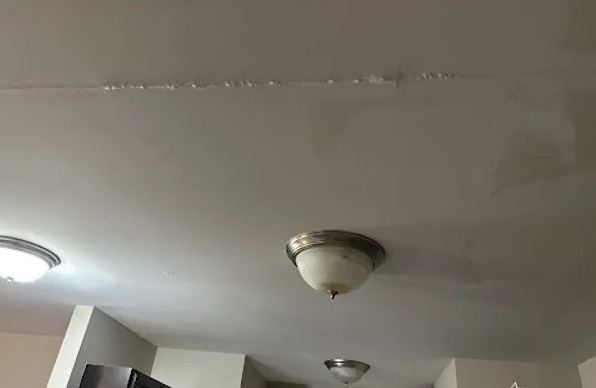
Professional Behind Wall Water Extraction in Winstead Park, ID
A wall cavity has almost no airflow, so water that gets in stays in. In Winstead Park homes, insulation and wood framing can remain wet long after the leak stops if nothing is done.
In Winstead Park, West Bench, Garden City and Morris Hill, many wall leaks start at windows and exterior penetrations during storms. The pros dry the cavity and note the entry point.
The Behind Wall Water Extraction Process in Winstead Park, ID
Wall Cavity Water Extraction
Water trapped at the bottom of a wall cavity is drained through small holes or a removed baseboard, then extracted before drying starts.
Moisture Barrier Installation
A vapor barrier that trapped water against the studs is removed during drying, and a new one is installed only after readings are normal.
Wet Drywall
Drywall that is soft, crumbling or soaked above the floor is cut out above the wet line so the cavity behind it can dry.
Hidden Water Damage Detection
Moisture meters and thermal cameras show wet areas inside a wall without opening it, mapping how far water spread from the leak.
Wall Leak Source Identification
Leak tracing uses readings, thermal images and the pattern of the stain to find where water enters the wall.
Do You Need Behind Wall Water Extraction? Common Signs in Winstead Park
Mold on Baseboards
Dark spots along baseboards mean water has been collecting at the bottom of the wall for days.
Sudden Spike in Water Bill
A water bill that rises with no change in use can mean a supply line leaking inside a wall.
Sagging or Drooping Drywall
Drywall that sags or droops is holding water and can fail. Keep clear and call for help.
Soft Spots When Pressing Wall
Drywall that gives when pressed has been weakened by water and may need to be cut out.
How Behind Wall Water Extraction Works in Winstead Park
Step 1: Emergency Assessment and Containment
The water is shut off, outlets in the wet wall are checked and the area is protected.
Step 2: Targeted Water Extraction From Walls
Water is removed from the cavity and the floor, with wet insulation bagged and carried out.
Step 3: Drying and Dehumidification
Equipment is placed to push dry air into the wall, with dehumidifiers removing moisture from the room.
Step 4: Final Inspection and Documentation
Readings are compared to dry areas, and photos and logs are provided for insurance.
Why You Might Need Behind Wall Water Extraction in Winstead Park
Overflow From Adjacent Rooms
Water from an overflowing tub or burst line in the next room runs under the wall into its cavity.
Window or Door Seal Failure
Worn caulk and flashing around windows and doors let rain into the wall during storms.
Appliance Supply Line Leaks
Supply lines for refrigerators, washers and dishwashers can leak into the wall behind them.
Leaking Plumbing Inside Walls
Supply lines, drains and fittings inside walls can drip for months before the damage shows.
Behind Wall Water Extraction Services for Any Property in Winstead Park
Residential Behind Wall Water Extraction
Older homes in particular may have plaster walls that hold water differently than drywall. Readings guide whether plaster can be dried in place.
Commercial Behind Wall Water Extraction
Restaurants and medical offices need cavities cleaned and disinfected if the water came from a drain, before walls are closed up.
DIY Risks for Behind Wall Water Extraction in Winstead Park Homes
A fan blowing on the outside of a wall will not dry the cavity behind it. Professional drying pushes air into the wall and uses readings to confirm the studs are dry.
Pricing for Behind Wall Water Extraction Services in Winstead Park
In Winstead Park, drying a wall through small holes usually costs less than cutting out and replacing large sections of drywall.
Leak Source Complexity
Leaks that are hard to trace, such as roof water running down a wall, take more inspection time.
Wall Area Affected
A wet section a few feet wide costs less to dry than water spread along a whole wall or several rooms.
Extent of Saturation
Drywall and framing that soaked for weeks need more drying time or replacement than a fresh leak.
Does Insurance Cover Behind Wall Water Extraction?
Many homeowner policies cover sudden leaks inside walls, like a burst pipe, but not slow leaks that ran for a long time. Check your policy and call your insurer when you find the water.
The Value of Local Pros for Behind Wall Water Extraction in Winstead Park
Post-Extraction Sanitization
Cavities touched by dirty water are cleaned and disinfected before they are closed.
Focused Wall Leak Identification
The source is traced and photographed so the plumber or roofer knows exactly what to fix.
Controlled Demolition Practices
Walls are opened only where readings show water, which keeps repairs smaller.
24/7 Emergency Behind Wall Water Extraction in Winstead Park
A burst pipe inside a wall floods fast. Call (208) 537-2633 for behind wall water extraction in Winstead Park at any hour, day or night, including holidays.
Call Now (208) 537-2633Behind Wall Water Extraction Available in Winstead Park and Nearby Communities
Behind-wall water removal and drying also cover homes and businesses in West Bench, Garden City and Morris Hill, close to Winstead Park, day or night.
- Behind Wall Water Extraction in West Bench
- Behind Wall Water Extraction in Garden City
- Behind Wall Water Extraction in Morris Hill
- Behind Wall Water Extraction in Maple Grove
- Behind Wall Water Extraction in Franklin
- Behind Wall Water Extraction in McMillan
- Behind Wall Water Extraction in Ustick
- Behind Wall Water Extraction in Central Bench
Common Behind Wall Water Extraction Questions Answered
Is wall cavity drying always needed after extraction?
Yes. Extraction removes standing water, but studs, plates and insulation stay wet inside a closed wall unless they are dried.
Is the source of a wall leak identified?
Yes. The pros trace the water to a pipe, fixture, window or roof leak and note it so the right repair can be made.
What happens during a wall moisture inspection?
Readings are taken across the wall and nearby floors and walls, and thermal images show the wet pattern.
Does water extraction require cutting into drywall?
Not always. Small holes or removed baseboards are often enough. Larger cuts are made only where drywall is ruined.
Why is post-extraction wall sanitization important?
Framing that stayed wet, or was reached by drain water, can be cleaned and treated so odors and mold do not develop.