Council, ID · Adams County
Black Water Extraction (Category 3) in Council, IDSeptic Tank Backup Cleanup & Sewage Damage Report For Insurance
Black Water Extraction (Category 3) in Council includes septic tank backup cleanup, storm sewer flood water removal and black water drying.
Answered 24/7
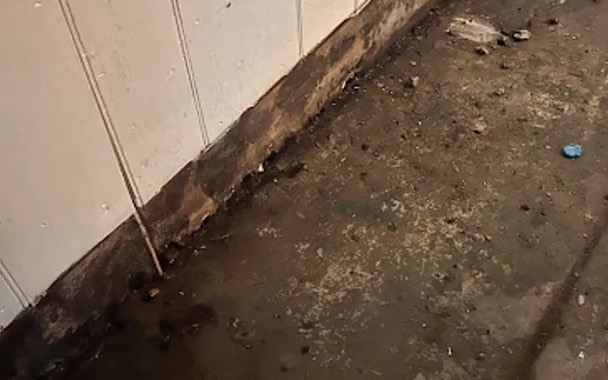
Local Black Water Extraction (Category 3) Services in Council
A sewer backup in Council is not a mop-and-bucket job. The water can carry bacteria and viruses, and anything porous it touches, such as carpet, pad and drywall, usually cannot be made safe again.
In Council, Cambridge, Donnelly and McCall, heavy storms can overload sewer systems and push dirty water into homes. The pros handle that water with protective gear and disinfection.
Comprehensive Black Water Extraction (Category 3) Solutions in Council
Septic Tank Backup Cleanup
Septic water carries the same risks as sewage, so it gets the same protective gear, removal and disinfection steps.
Sewage Damage Report for Insurance
Documentation starts before cleanup, with photos of the water level and affected rooms, and continues through final drying.
Contaminated Carpet Water Extraction
Water is extracted from contaminated carpet first to reduce weight and spread, then the carpet and pad are removed and the subfloor disinfected.
Storm Sewer Flood Water Removal
After storm sewer flooding, mud and debris are cleared before floors and walls are cleaned, disinfected and dried.
Black Water Drying
After cleaning and disinfection, air movers and dehumidifiers dry the structure, with readings taken daily until each area is normal.
Signs of Black Water Contamination in Council Homes
Storm Drain Water in Garage
Water that flowed into the garage from the street or storm drain carries soil and contaminants.
Sewage Backup in Toilet or Sink
Sewage coming up through a toilet, tub or sink means the sewer line is blocked or overloaded.
Septic Tank Backup in Yard
Soggy ground, odors or sewage above the septic tank or drain field point to a septic failure.
Discolored Water From Appliances
Dark, smelly water from a washer or dishwasher drain can mean a drain line backup.
How Black Water Extraction (Category 3) Works in Council
Step 1: Emergency Hazard Assessment
Electrical hazards and the source of the contaminated water are checked before anyone enters the area.
Step 2: Contaminated Water Extraction
Workers in protective gear extract sewage or floodwater and remove solids and debris.
Step 3: Sanitization Process
Porous materials such as carpet and drywall are removed, and hard surfaces are cleaned and disinfected.
Step 4: Structural Drying Verification
Air movers and dehumidifiers dry the structure, and readings confirm when it is dry.
How Category 3 Water Damage Occurs in Council
Sump Pump Failure
A sump pump failure during a storm can let contaminated groundwater fill the basement.
Appliance Drain Line Leak
A blocked washer or dishwasher drain can push dirty water back onto the floor.
Groundwater Infiltration
Groundwater seeping into damaged sewer lines can overload them and cause backups.
Sewer Main Line Blockage
Tree roots, grease and debris block the main sewer line and push wastewater back into the home.
Domestic and Business Black Water Extraction (Category 3) in Council
Residential Black Water Extraction (Category 3)
A backup in a finished lower level can affect bedrooms, family rooms and storage. Each area is contained, cleaned and dried in order.
Commercial Black Water Extraction (Category 3)
Commercial buildings with shared sewer lines may see repeat backups. The cause is noted so the building owner can arrange line repairs.
Black Water Extraction (Category 3) vs. DIY: When to Call the Pros
Small toilet overflows on tile can be cleaned with gloves, boots and a disinfectant if you act right away. Call local contaminated water damage specialists for any backup that reached carpet, drywall or more than one room.
What Affects Black Water Extraction (Category 3) Pricing in Council
Crawl space access, after-hours calls and damage to the floor below all add to the total for black water extraction (category 3) in Council.
Type of Materials Affected
Carpet, drywall and insulation touched by sewage must be removed, which adds labor and disposal.
Secondary Damage
Damage to the room below, furnaces or belongings adds repair and replacement costs.
Required Drying Time
Drying after cleanup can take several days, and each day adds equipment time.
Does Insurance Cover Black Water Extraction (Category 3)?
Outside floodwater is usually covered only by flood insurance, not a standard homeowner policy. Ask your agent which policy applies.
The Value of Local Pros for Black Water Extraction (Category 3) in Council, ID
Storm Flood Response
Outside floodwater is treated as contaminated, with mud and debris removed before cleaning.
Industry Standards
Cleanup follows industry standards for contaminated water, including removal of porous materials.
Contained Contamination Work
Plastic containment keeps contamination in the affected area and out of clean rooms.
Round-the-Clock Emergency Black Water Extraction (Category 3) in Council
Toilet or floor drain overflowing with sewage? Keep children and pets away and call (208) 537-2633 now for black water extraction (category 3) in Council.
Call Now (208) 537-2633Black Water Extraction (Category 3) Available Throughout Adams County
Other places served are listed below, each with its own page.
- Black Water Extraction (Category 3) in Cambridge
- Black Water Extraction (Category 3) in Donnelly
- Black Water Extraction (Category 3) in McCall
- Black Water Extraction (Category 3) in Midvale
- Black Water Extraction (Category 3) in Cascade
- Black Water Extraction (Category 3) in Weiser
- Black Water Extraction (Category 3) in Huntington
- Black Water Extraction (Category 3) in Payette
- Emergency Damage Restoration in 83612
- Storm Damage Restoration in 83612
- Water Damage Restoration in 83612
- Water Extraction Service in 83612
- Water Leak Detection in 83612
- Water Removal Service in 83612
Black Water Extraction (Category 3) FAQs
What areas need black water sanitization?
Every surface the water touched, including floors, lower walls, framing, cabinets and anything kept from the affected rooms.
What happens to removed contaminated materials?
They are bagged and disposed of according to local rules, and the removed items are listed for insurance.
What is Category 3 water damage?
Water that carries sewage, bacteria or other serious contaminants, such as sewer backups, toilet overflows with waste and outside floodwater.
How is storm sewer flood water different from a pipe leak?
It carries soil, debris and contaminants from outside, so it is treated as Category 3 rather than clean water.
Is sewage backup cleanup dangerous?
It can be. Sewage carries bacteria and viruses, so cleanup needs protective gear, containment and disinfection.