West Valley, ID · Canyon County
Concrete Water Damage Restoration in West Valley, IDConcrete Foundation Drying & Concrete Crack Seepage Repair
Concrete Water Damage Restoration in West Valley includes concrete crack seepage repair notes, patio slab drying services and pool deck water removal.
Answered 24/7
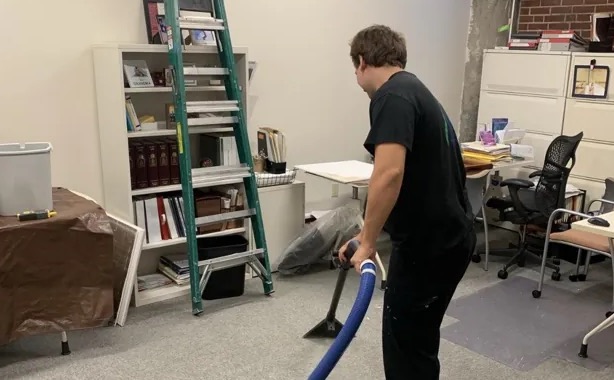
Expert Concrete Water Damage Restoration for West Valley Homes
Interior flooring over concrete in West Valley traps water against the slab. Laminate, vinyl plank and carpet can hold moisture for weeks if they are not lifted.
In West Valley, concrete water calls often involve flooded garages and seepage through slab cracks. Local water extraction experts serve West Valley, Moss, Huston and Victory, drying the concrete and noting the cause.
Comprehensive Concrete Water Damage Restoration in West Valley
Concrete Foundation Drying
Outside causes, such as soil sloping toward the house, are noted so water stops collecting against the foundation.
Concrete Crack Seepage Repair
Water seeping through cracks in a slab or foundation wall is extracted inside, and the floor and wall bases are dried.
Concrete Slab Water Extraction
Standing water on interior concrete is pumped or extracted, and flooring and baseboards over the slab are checked for water trapped beneath.
Driveway Water Damage Restoration
Cracked or sunken driveway sections that send water toward the house are noted for a concrete contractor.
Pool Deck Water Removal
Pool deck drainage that sends water toward the foundation is noted, since it can wet the slab and wall bases inside.
Indications for Concrete Water Damage Restoration in West Valley
Musty Odors From Concrete Areas
A musty smell near concrete floors or walls can mean moisture trapped under flooring or behind walls.
Standing Water on Concrete Slabs
Standing water on a slab floor or garage needs extraction before it soaks into flooring and wall bases.
Persistent Dampness After Rain
Concrete floors that stay damp for days after rain point to seepage or ground moisture.
Mold or Mildew on Slab Edges
Dark spots along slab edges and baseboards mean water has been sitting there for days.
How Concrete Water Damage Restoration Works in West Valley
Step 1: Concrete Moisture Inspection and Assessment
Readings across the slab, wall bases and flooring show where water spread and where it is trapped.
Step 2: Concrete Slab Water Extraction
Standing water is pumped or extracted, and flooring that traps water is lifted where needed.
Step 3: Structural Drying and Dehumidification
Air movers and dehumidifiers dry the slab and wall bases, with readings taken every day.
Step 4: Final Verification and Documentation
Final readings confirm the concrete is dry, and the cause is noted for repair.
Frequent Sources of Water Damage in West Valley
Crack Expansion From Settlement
Settling soil cracks slabs and walkways, opening paths for water to enter.
Sewer Line Backups and Overflows
A blocked sewer line can back up through floor drains on a slab and soak the floor.
Clogged or Damaged Gutter Downspouts
Downspouts that empty next to the slab soak the soil and concrete at the foundation.
Plumbing Leaks Under Slabs
Leaking pipes under the slab push water up through cracks and into flooring.
Property-Wide Concrete Water Damage Restoration in West Valley
Residential Concrete Water Damage Restoration
Homeowners with finished basements on concrete need flooring, baseboards and wall bases checked with a meter after any seepage or flood.
Commercial Concrete Water Damage Restoration
Commercial properties with below-grade concrete need water pumped out, the slab dried and every seepage point noted for repair.
Concrete Water Damage Restoration: Professional Help or DIY in West Valley
Fans dry the concrete surface but not the moisture inside it. If the floor still feels damp after a day, call (208) 537-2633 for drying with dehumidifiers.
Estimating Concrete Water Damage Restoration Expenses in West Valley
The cost of concrete water damage restoration in West Valley depends on how much concrete got wet, whether flooring must be lifted and how long the slab takes to dry.
Site Accessibility
Tight garages, crowded storage and finished floors make the work slower to reach and set up.
Preventive Measures
Drainage and crack repairs by contractors are separate from water removal and drying.
Water Depth and Saturation
Water that soaked deep into concrete takes longer to dry than water caught on the surface.
Does Insurance Cover Concrete Water Damage Restoration?
Photos, moisture readings and drying logs from local water extraction experts help support an insurance claim for concrete water damage in West Valley.
Advantages of Hiring Local Pros for Concrete Water Damage Restoration in West Valley
Concrete Experience
Drying is set up for concrete, which releases water slowly and needs steady dehumidification.
Mold Prevention Focus
Wall bases and sill plates that stayed wet can be treated with an antimicrobial after drying.
24/7 Emergency Response
Help is available day or night when water is spreading across a slab floor or garage.
Round-the-Clock Concrete Water Damage Restoration in West Valley
The sooner water is removed from concrete, the less flooring and drywall are lost. Call (208) 537-2633 for concrete water damage restoration in West Valley right away.
Call Now (208) 537-2633Concrete Water Damage Restoration Serving West Valley and Beyond
Other places served are listed below, each with its own page.
- Concrete Water Damage Restoration in Caldwell
- Concrete Water Damage Restoration in Moss
- Concrete Water Damage Restoration in Huston
- Concrete Water Damage Restoration in Victory
- Concrete Water Damage Restoration in Middleton
- Concrete Water Damage Restoration in Harris Ranch
- Concrete Water Damage Restoration in Owyhee
- Concrete Water Damage Restoration in Pleasant Valley
Your Concrete Water Damage Restoration Questions Addressed
What causes foundation water damage cleanup to be needed?
Poor drainage, downspouts that empty near the foundation, cracks, slab leaks and rising groundwater after wet weather.
Is pool deck water removal different from other concrete drying?
Pool decks dry outdoors, so the work focuses on water that ran inside and on drainage that sends water toward the house.
Can sidewalk water removal help prevent trip hazards?
Clearing standing water, mud and debris lowers slip risks, and sunken or heaved sections are noted for repair.
What tools are used for concrete moisture inspection?
Concrete moisture meters, hygrometers and sometimes thermal cameras to check slabs, wall bases and flooring.
What should be done right after finding pool deck water near the house?
Stop the overflow or leak, keep water away from doors and call for drying if it reached inside.