Ustick, ID · Ada County
Damage Restoration Services in Ustick, IDFirefighting Water Cleanup & Sewage Backup Cleanup
After a storm, Damage Restoration Services in Ustick mean storm damage repair, emergency water extraction and structural drying services.
Answered 24/7
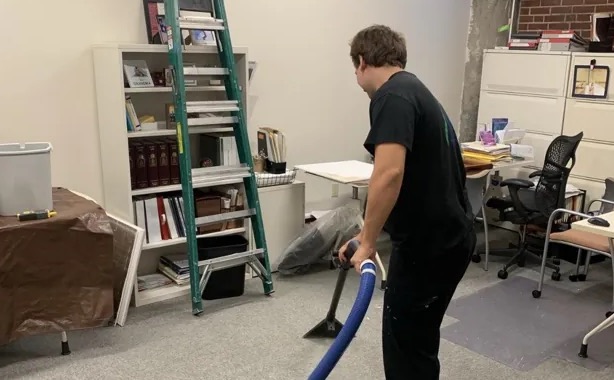
Damage Restoration Services You Can Count on in Ustick
Storms in Ustick can push water through roofs, windows and doors in a single night. Ceilings stain, carpet soaks and walls wick water upward.
For homes in Ustick, part of Boise, aging plumbing and storm leaks are common causes of water damage. Help with damage restoration services covers Ustick, McMillan, Maple Grove and West Bench.
Full-Scope Damage Restoration Services in Ustick, ID
Firefighting Water Cleanup
The water side of a fire loss is handled first: extraction, removal of soaked materials and drying, with photos kept for insurance.
Sewage Backup Cleanup
Sewage from a backed-up drain or toilet is extracted with protective gear, soaked materials are removed and surfaces are disinfected.
Fire Sprinkler Water Cleanup
Rooms that got wet but not burned are dried quickly so they do not develop odors or water stains.
Structural Drying Services
Air movers and dehumidifiers dry walls, subfloors and framing after extraction, with readings taken daily until each material is normal.
Emergency Water Damage Extraction
Emergency extraction starts with stopping the water and making power safe, then removing standing water right away.
Indicators Your Property Needs Damage Restoration Services
Unexplained Musty Odors
A musty smell with no clear source often means hidden moisture in walls, floors or the ceiling.
Sewage Odors in the Home
A sewage smell in the house can mean a drain backup or leaking drain line.
Sagging Drywall or Ceilings
Drywall or ceilings that sag are holding water and can fail. Keep people clear.
Active Water Drips or Pools
Dripping water or pooling on floors means an active leak that needs attention now.
How Damage Restoration Services Work in Ustick
Step 1: Safety Evaluation and Mitigation
Electrical hazards and sagging ceilings are checked, and further damage is limited.
Step 2: Contaminant and Water Extraction
Water is extracted with protective gear where it is contaminated, and soaked porous materials are bagged.
Step 3: Targeted Drying and Monitoring
Equipment is aimed at the wettest materials and moved as each area dries.
Step 4: Restoration Readiness
Final readings confirm the structure is dry and ready for drywall, flooring and paint.
What Often Leads to Water Damage in Homes and Businesses
HVAC Condensation Issues
Clogged AC condensate lines overflow into closets, attics and the ceilings below them.
Faulty Appliance Discharges
Washers, water heaters and dishwashers can fail without warning and flood floors and cabinets.
Roof Leaks and Compromises
Damaged shingles, flashing and roof vents let rain into attics and ceilings.
Foundation Cracks and Seepage
Foundation cracks let groundwater seep into lower levels and finished spaces after heavy rain.
Both Home and Business Damage Restoration Services in Ustick
Residential Damage Restoration Services
Families with young children or pets should stay out of areas with sewage or floodwater until they are cleaned.
Commercial Damage Restoration Services
Restaurants, medical offices and schools need contaminated water cleanup that meets the health rules for those spaces before reopening.
Why Hire Local Pros for Damage Restoration Services in Ustick
Fans and open windows help surfaces dry, but hidden water inside walls and under floors needs dehumidifiers and moisture readings to confirm it is really gone.
What Affects the Price of Damage Restoration Services
The pros inspect the damage before pricing damage restoration services in Ustick, then explain what will be extracted, removed and dried.
Extent of Damage
More rooms and materials affected means more extraction, more removal and more drying time.
Required Equipment
The number of pumps, extractors, air movers and dehumidifiers needed affects the total.
Post-Restoration Repairs
Drywall, flooring and other repairs after drying are separate from the water removal cost.
Does Insurance Cover Damage Restoration Services?
Photograph the water, the source and damaged belongings before cleanup starts, and keep receipts for emergency extraction and drying equipment.
The Value of Professional Damage Restoration Services
Careful Material Removal
Only materials that cannot be dried are removed, which keeps repairs smaller.
Industry Drying Standards
Drying follows industry water damage standards, with moisture readings taken at every visit.
Repair Planning
Records of what was removed and dried help the contractor plan repairs after drying.
Round-the-Clock Damage Restoration Services Response in Ustick
If a ceiling is sagging or water is near outlets, leave the room and shut off power if it is safe. Then call (208) 537-2633 for help in Ustick.
Call Now (208) 537-2633Local Damage Restoration Services Coverage Around Ustick
Help with damage restoration services is also available in communities near Ustick, including McMillan, Maple Grove and West Bench, for leaks, floods and sewage backups.
- Damage Restoration Services in McMillan
- Damage Restoration Services in Maple Grove
- Damage Restoration Services in West Bench
- Damage Restoration Services in Winstead Park
- Damage Restoration Services in Franklin
- Damage Restoration Services in Collister
- Damage Restoration Services in Meridian
- Damage Restoration Services in Central Bench
Damage Restoration Services FAQs for Ustick Property Owners
What is the goal of water damage recovery?
To remove the water, dry the structure fully and leave it ready for repairs without hidden moisture.
What are signs I need help with water damage and mold?
Musty smells, dark spots on walls or ceilings, damp carpet and stains that keep spreading after a leak.
What happens to the water damage after a fire is put out?
Water from hoses and sprinklers is extracted, soaked materials are removed and the structure is dried.
How are belongings tracked during water damage restoration?
Items are photographed and listed by room, noting what was cleaned, stored or discarded.
What safety steps are used when removing water-damaged materials?
Containment, protective gear and air scrubbers keep dust and contamination in the work area.