Lake Lowell Area, ID
Emergency Water Extraction in Lake Lowell Area, IDStanding Water Removal & Sewage Backup Cleanup
Emergency Water Extraction in Lake Lowell Area includes burst pipe water extraction, wet drywall water removal and emergency water damage cleanup.
Answered 24/7
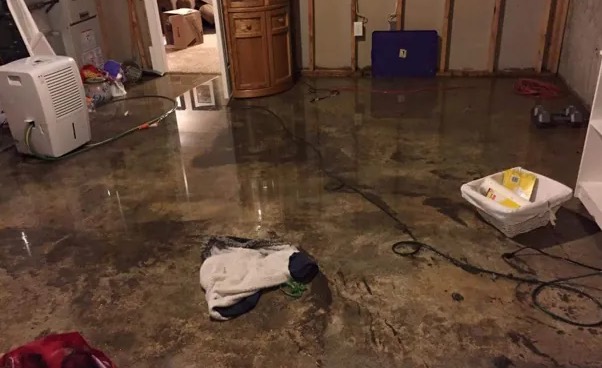
Emergency Water Extraction Response in Lake Lowell Area, Idaho
In Lake Lowell Area, emergency extraction is the first step, not the whole job. After the standing water is gone, walls, subfloors and framing still hold moisture that needs drying.
The Emergency Water Extraction Process for Lake Lowell Area Properties
Standing Water Removal
Removing standing water quickly is what keeps a single wet room from turning into several.
Sewage Backup Cleanup
Sewage cleanup is never just drying. Contaminated materials must come out first so the area is safe again.
Emergency Water Damage Cleanup
Emergency cleanup covers the water, the wet debris and the belongings in the way, so drying equipment can be placed right away.
Burst Pipe Water Extraction
Burst pipes release a lot of water fast. Extraction and drying start as soon as the pipe is shut off, before it soaks into more materials.
Wet Drywall Water Removal
Wet insulation behind drywall is removed along with the soaked section, so the cavity can dry fully.
Warning Signs You Need Emergency Water Extraction
Soggy or Wet Carpeting
Carpet that squishes or feels cold and wet underfoot is holding water in the pad below.
Sump Pump Failure or Overflow
A sump pit that is full or overflowing means groundwater is about to spread across the lower level.
Dripping Sounds or Leaks
Dripping or running water sounds when nothing is on mean a leak is still active somewhere.
Water Stains on Walls
Fresh stains on walls or ceilings show water is spreading from a leak nearby or above.
How Emergency Water Extraction Works in Lake Lowell Area
Step 1: Initial Water Damage Evaluation
Meters and thermal cameras show how far the water spread beyond what is visible.
Step 2: Standing Water Removal
Standing water is pumped out, and wet debris and soaked materials are cleared away.
Step 3: Structural Drying and Air Scrubbing
Drying equipment runs continuously, and air scrubbers filter dust from any removal work.
Step 4: Claim-Ready Damage Reporting
Photos, readings, removal lists and drying logs are organized into a report for the adjuster.
Typical Reasons for Emergency Water Extraction in Lake Lowell Area
HVAC System Condensation Issues
Clogged AC condensate lines overflow into closets, attics and the ceilings of rooms below.
Burst or Leaking Pipes
Pipes can crack or burst from age, pressure or cold weather, releasing water fast.
Roof Leaks From Storm Damage
Storm-damaged roofs let rain pour into attics and through ceilings into the rooms below.
Sewage System Backup
A blocked sewer line pushes wastewater up through floor drains, tubs and toilets.
Residential and Commercial Emergency Water Extraction in Lake Lowell Area
Residential Emergency Water Extraction
In two-story homes, water from an upstairs leak can reach the ceiling and rooms below. Both levels are extracted and dried.
Commercial Emergency Water Extraction
Commercial buildings with sprinkler discharges may have water on several floors. Each floor is extracted in order, starting with the wettest.
When to Hire Local Pros for Emergency Water Extraction in Lake Lowell Area
Do not walk into standing water if outlets, cords or appliances are submerged. Shut off power at the panel only if you can reach it from a dry spot, then call (208) 537-2633.
Factors Influencing Emergency Water Extraction Cost in Lake Lowell Area, ID
Sewage, floodwater and deep standing water in Lake Lowell Area cost more to extract than a clean water leak on one floor.
Necessary Demolition Work
Carpet pad, drywall and flooring that must be removed add labor and disposal costs.
Contents and Materials
Furniture, belongings and stock that must be moved or protected add labor to the job.
Water Source and Type
Clean water costs less to extract and dry than sewage or floodwater, which needs disinfection.
Does Insurance Cover Emergency Water Extraction?
Many homeowner policies cover sudden water damage, like a burst pipe, but exclude outside flooding and sometimes sewer backups. Check your policy and call your insurer early.
Why Choose Local Pros for Emergency Water Extraction in Lake Lowell Area
Clear Communication
You get plain updates on what was extracted, what was removed and how drying is going.
Structural Drying
Walls, subfloors and framing are dried until readings are normal, not just the visible surfaces.
Moisture Mapping
Meters and thermal cameras show where water spread under floors and inside walls.
24/7 Emergency Water Extraction in Lake Lowell Area
If water is near outlets, the electrical panel or appliances, stay out of it and shut off power only if safe. Then call (208) 537-2633 for help in Lake Lowell Area.
Call Now (208) 537-2633Emergency Water Extraction in Lake Lowell Area and Other Areas Served
Homes and businesses throughout Lake Lowell Area can get standing water removal and emergency water damage cleanup as part of emergency water extraction.
- Emergency Water Extraction in Adrian
- Emergency Water Extraction in Amity
- Emergency Water Extraction in Annex
- Emergency Water Extraction in Avimor
- Emergency Water Extraction in Barber Valley
- Emergency Water Extraction in Big Bend
- Emergency Water Extraction in Black Cat
- Emergency Water Extraction in Boise Hills Village
Emergency Water Extraction FAQ Guide
How fast should flood water extraction begin?
As soon as the source is stopped and power is safe. Water soaks deeper into materials every hour it sits.
What tools are used for emergency water extraction?
Submersible pumps, truck-mounted and portable extractors, weighted carpet tools, air movers, dehumidifiers and moisture meters.
What is the process for flood water extraction?
Make power safe, pump out deep water, extract floors and carpet, remove contaminated materials and dry the structure.
Is sewage backup cleanup different from regular water extraction?
Yes. Sewage needs protective gear, containment, removal of soaked materials and disinfection before drying.
What follows the initial emergency water extraction?
Structural drying with air movers and dehumidifiers, daily readings and repairs once the building is dry.