West Boise, ID
Emergency Water Extraction in West Boise, IDEmergency Water Damage Cleanup & Wet Drywall Water Removal
Emergency Water Extraction in West Boise runs from standing water removal and emergency flood water extraction to wet drywall water removal.
Answered 24/7
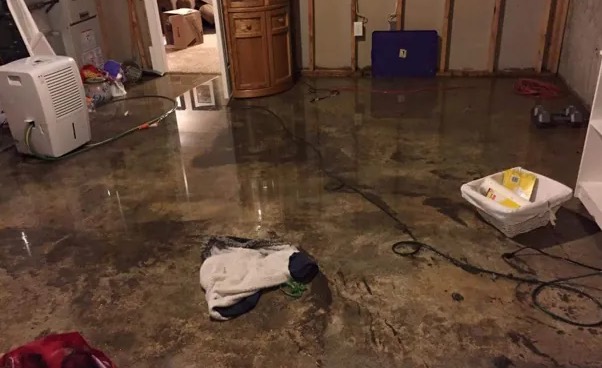
Professional Emergency Water Extraction in West Boise, ID
Carpet is often the first thing soaked in a West Boise water emergency. Fast extraction with weighted tools pulls water from carpet and pad and gives the carpet a good chance of being saved.
Key Emergency Water Extraction Procedures in West Boise
Emergency Water Damage Cleanup
Emergency cleanup covers the water, the wet debris and the belongings in the way, so drying equipment can be placed right away.
Wet Drywall Water Removal
Small holes near the base of the wall let dry air into the cavity, which dries the studs and back of the drywall.
Burst Pipe Water Extraction
Water from a burst pipe is extracted as soon as the main is shut off, starting with the rooms where it is deepest.
Carpet Water Extraction Services
After extraction, the carpet is lifted so air can reach the pad and subfloor. Soaked pad is often replaced.
Sewage Backup Cleanup
Sewage that backed up through drains or toilets is extracted with protective gear, and the area is contained from clean rooms.
Warning Signs You Need Emergency Water Extraction
Swollen Doors or Cabinets
Doors that stick or cabinets that swell near a leak have soaked up water.
Dripping Sounds or Leaks
Dripping or running water sounds when nothing is on mean a leak is still active somewhere.
Water Stains on Walls
Fresh stains on walls or ceilings show water is spreading from a leak nearby or above.
Musty or Damp Odors
A damp or musty smell after a leak means water is still trapped in carpet, walls or subfloor.
How Emergency Water Extraction Works in West Boise
Step 1: Initial Water Damage Evaluation
Meters and thermal cameras show how far the water spread beyond what is visible.
Step 2: Standing Water Removal
Standing water is pumped out, and wet debris and soaked materials are cleared away.
Step 3: Structural Drying and Air Scrubbing
Drying equipment runs continuously, and air scrubbers filter dust from any removal work.
Step 4: Claim-Ready Damage Reporting
Photos, readings, removal lists and drying logs are organized into a report for the adjuster.
Frequent Sources of Water Damage in West Boise
Sewage System Backup
A blocked sewer line pushes wastewater up through floor drains, tubs and toilets.
Burst or Leaking Pipes
Pipes can crack or burst from age, pressure or cold weather, releasing water fast.
HVAC System Condensation Issues
Clogged AC condensate lines overflow into closets, attics and the ceilings of rooms below.
Roof Leaks From Storm Damage
Storm-damaged roofs let rain pour into attics and through ceilings into the rooms below.
Residential and Commercial Emergency Water Extraction in West Boise
Residential Emergency Water Extraction
In two-story homes, water from an upstairs leak can reach the ceiling and rooms below. Both levels are extracted and dried.
Commercial Emergency Water Extraction
Commercial buildings with sprinkler discharges may have water on several floors. Each floor is extracted in order, starting with the wettest.
Professional Emergency Water Extraction Over DIY in West Boise
Take photos of the water and damage before cleanup, and keep damaged items until your adjuster sees them. Then call local water removal experts to get extraction started.
Estimating Emergency Water Extraction Expenses in West Boise
Sewage, floodwater and deep standing water in West Boise cost more to extract than a clean water leak on one floor.
Water Source and Type
Clean water costs less to extract and dry than sewage or floodwater, which needs disinfection.
Necessary Demolition Work
Carpet pad, drywall and flooring that must be removed add labor and disposal costs.
Required Drying Time
Drying usually takes several days, and each extra day of equipment adds to the total.
Does Insurance Cover Emergency Water Extraction?
Photograph the water, the source and damaged belongings before cleanup starts, and keep receipts for emergency extraction, drying equipment and any hotel stay.
Advantages of Hiring Local Pros for Emergency Water Extraction in West Boise
Carpet Extraction
Weighted tools press water out of carpet and pad, giving the carpet a good chance of being saved.
Moisture Mapping
Meters and thermal cameras show where water spread under floors and inside walls.
24/7 Emergency Response
Help is available day or night, because water emergencies get worse every hour.
24/7 Emergency Water Extraction in West Boise
Pipe burst or toilet overflowing? Call (208) 537-2633 now for emergency water extraction in West Boise and get the water out before it reaches more rooms.
Call Now (208) 537-2633Emergency Water Extraction in West Boise and Other Areas Served
Help with emergency water extraction is available across West Boise, including emergency flood water extraction and carpet water extraction services.
- Emergency Water Extraction in Adrian
- Emergency Water Extraction in Amity
- Emergency Water Extraction in Annex
- Emergency Water Extraction in Avimor
- Emergency Water Extraction in Barber Valley
- Emergency Water Extraction in Big Bend
- Emergency Water Extraction in Black Cat
- Emergency Water Extraction in Boise Hills Village
Your Emergency Water Extraction Questions for West Boise, ID
How long does drying take after extraction?
Often several days, depending on the materials, the type of water and how long it sat.
Why is professional standing water removal important?
Pumps and extractors remove water much faster than household tools, which limits how far it spreads.
What tools are used for emergency water extraction?
Submersible pumps, truck-mounted and portable extractors, weighted carpet tools, air movers, dehumidifiers and moisture meters.
What does emergency water damage cleanup include?
Extracting water, clearing wet debris, moving belongings, cleaning dirty-water areas and setting up drying equipment.
Can water extraction prevent mold after a flood?
Fast extraction and drying are the main ways to keep mold from starting after a flood.