Council, ID · Adams County
Floor Water Damage Restoration in Council, IDLaminate Floor Water Damage Cleanup & Tile Floor Water Damage Restoration
Floor Water Damage Restoration in Council covers subfloor water damage repair, emergency floor water removal and vinyl floor water damage cleanup.
Answered 24/7
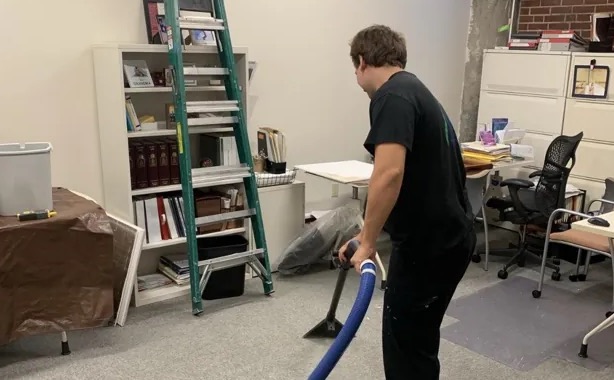
Your Council Floor Water Damage Restoration Professionals
When water invades a floor assembly, it can warp planks, loosen tiles, and rot subflooring. For homes in Council, this damage compromises daily life and can lower property value.
Wet floor restoration services in Council and nearby areas like Cambridge, Donnelly and McCall focus on thorough moisture extraction from all flooring layers. This helps preserve the integrity of homes in Council.
Detailed Floor Water Damage Restoration for Council Properties
Laminate Floor Water Damage Cleanup
In Council, wet laminate usually has to come up. Pros extract the water, lift the planks and dry the surface underneath.
Tile Floor Water Damage Restoration
Water can seep through grout lines. Pros may lift a few tiles to extract water and dry the substrate before tiles loosen.
Hardwood Floor Water Damage Repair
Moisture meters find water trapped under hardwood, and targeted drying systems then protect the subfloor and finish.
Emergency Floor Water Removal
The first hours matter most. Pros stop the water source and extract visible water before it seeps into walls.
Vinyl Floor Water Damage Cleanup
Vinyl is not waterproof at the seams. When water gets underneath, floor water removal experts extract it and dry the subfloor before the vinyl lifts further.
Indicators of Floor Water Damage in Council
Squeaking or Creaking Sounds
New squeaks or creaks can mean fasteners loosened as the subfloor swelled from water underneath.
Laminate Floor Swelling
Swollen edges or a pillowed look on laminate planks means the fiberboard core has soaked up water and will not flatten again.
Carpet Bubbling or Wrinkles
When carpet detaches from the tack strip or develops visible ripples, the padding underneath is likely soaked.
Spongy or Soft Spots
A spot that feels soft or gives a little underfoot often means the subfloor below is wet or swelling.
How Floor Water Damage Restoration Works in Council
Step 1: Water Mitigation
The work starts by removing water quickly with truck-mounted extractors to keep the damage from spreading.
Step 2: Enhanced Evaporation Process
Professional-grade equipment accelerates evaporation from all wet materials. This pulls moisture out of porous surfaces that surface extraction misses.
Step 3: Moisture Monitoring and Mapping
Moisture readings are taken each day and mapped, so no wet corner of the floor is missed.
Step 4: Floor Repair and Finish
Once dry, the flooring is repaired or replaced so the floor is safe to use again.
Common Causes of Floor Water Damage in Council
Overflowing Sinks or Tubs
A bathroom or kitchen overflow can send water across the floor and down through seams into the subfloor.
Foundation Cracks and Seepage
Groundwater pushed up through cracks in a slab keeps the floor covering damp from below, even when nothing is leaking inside.
Improper Door and Window Seals
Failed caulk or weather stripping lets wind-driven rain in around doors and windows, where it pools on the floor at the frame.
Roof Leaks and Storm Damage
Roof leaks travel along joists and walls before they show up, often soaking upper floors and the subfloor first.
Floor Water Damage Restoration for All Property Types in Council, ID
Residential Floor Water Damage Restoration
Professionals access the structural layer, remove saturated sections if needed, and apply targeted drying to wood or oriented strand board (OSB) joists and sheathing to maintain home stability.
Commercial Floor Water Damage Restoration
Pros use desiccant dehumidifiers to manage high humidity levels in large, open spaces, preventing corrosion of stored goods and ensuring a quick return to operations.
Floor Water Damage Restoration vs. DIY: When to Call the Pros
Stop the water source first. Move furniture and belongings away from the wet area. For significant flooding that soaks into flooring materials, calling local floor water damage restoration pros for a professional assessment is advised.
The Cost of Floor Water Damage Restoration for Council Properties
For floor water damage restoration in Council, pricing reflects the severity of the leak and the square footage needing treatment.
Water Contamination Category
Clean water from a supply line costs less to handle than gray water or sewage, which need protective gear and disinfection.
Subfloor Damage Presence
A wet subfloor that has swelled or softened may need plywood replaced, which adds to the scope and the cost.
Required Drying Time
The more days the flooring takes to dry, the longer the equipment runs and the higher the labor total.
Does Insurance Cover Floor Water Damage Restoration?
Coverage for wet floors depends on where the water came from and how your policy is written. Do not assume a loss is covered until your insurer confirms it in writing.
Benefits of Local Pros for Floor Water Damage Restoration in Council
Floor-Specific Equipment
Weighted carpet extractors, floor drying mats and dehumidifiers are matched to carpet, hardwood, tile or concrete.
EPA-Registered Antimicrobials
An antimicrobial can be applied to wet subfloor and framing during drying to help keep mold from starting.
24/7 Emergency Response
Help is available around the clock, which matters because floors keep soaking up water until it is removed.
Emergency Floor Water Damage Restoration Response in Council
A leaking appliance or burst pipe can flood floors quickly. Call (208) 537-2633 for emergency floor water extraction and drying services in Council.
Call Now (208) 537-2633Floor Water Damage Restoration Available Throughout Adams County
Other places served are listed below, each with its own page.
- Floor Water Damage Restoration in Cambridge
- Floor Water Damage Restoration in Donnelly
- Floor Water Damage Restoration in McCall
- Floor Water Damage Restoration in Midvale
- Floor Water Damage Restoration in Cascade
- Floor Water Damage Restoration in Weiser
- Floor Water Damage Restoration in Huntington
- Floor Water Damage Restoration in Payette
- Emergency Damage Restoration in 83612
- Storm Damage Restoration in 83612
- Water Damage Restoration in 83612
- Water Extraction Service in 83612
- Water Leak Detection in 83612
- Water Removal Service in 83612
Floor Water Damage Restoration FAQs
What is the purpose of concrete floor drying services?
Even dense concrete slabs absorb moisture, which can wick into walls and flooring above.
What is the biggest risk of delaying floor leak repair?
Beyond surface damage, delayed repair allows water to migrate, compromising structural subflooring and wall studs.
Can floor water damage lead to mold growth?
Yes. Wet wood subflooring and carpet backing can start growing within 24 to 48 hours, so fast drying matters.
What are signs of hidden subfloor water damage?
Signs include a spongy feel underfoot, buckling flooring, musty odors and stains along baseboards.
Are floor water damage services necessary for small leaks?
Even small, slow leaks can cause significant hidden damage over time, rotting subfloors and fostering mold.