Eagle, ID · Ada County
HVAC Leak Water Removal in Eagle, IDHVAC Cabinet Water Extraction & Wet Insulation Removal Near HVAC
HVAC Leak Water Removal in Eagle covers AC condensate leak water removal, HVAC cabinet water extraction, and emergency HVAC leak cleanup.
Answered 24/7
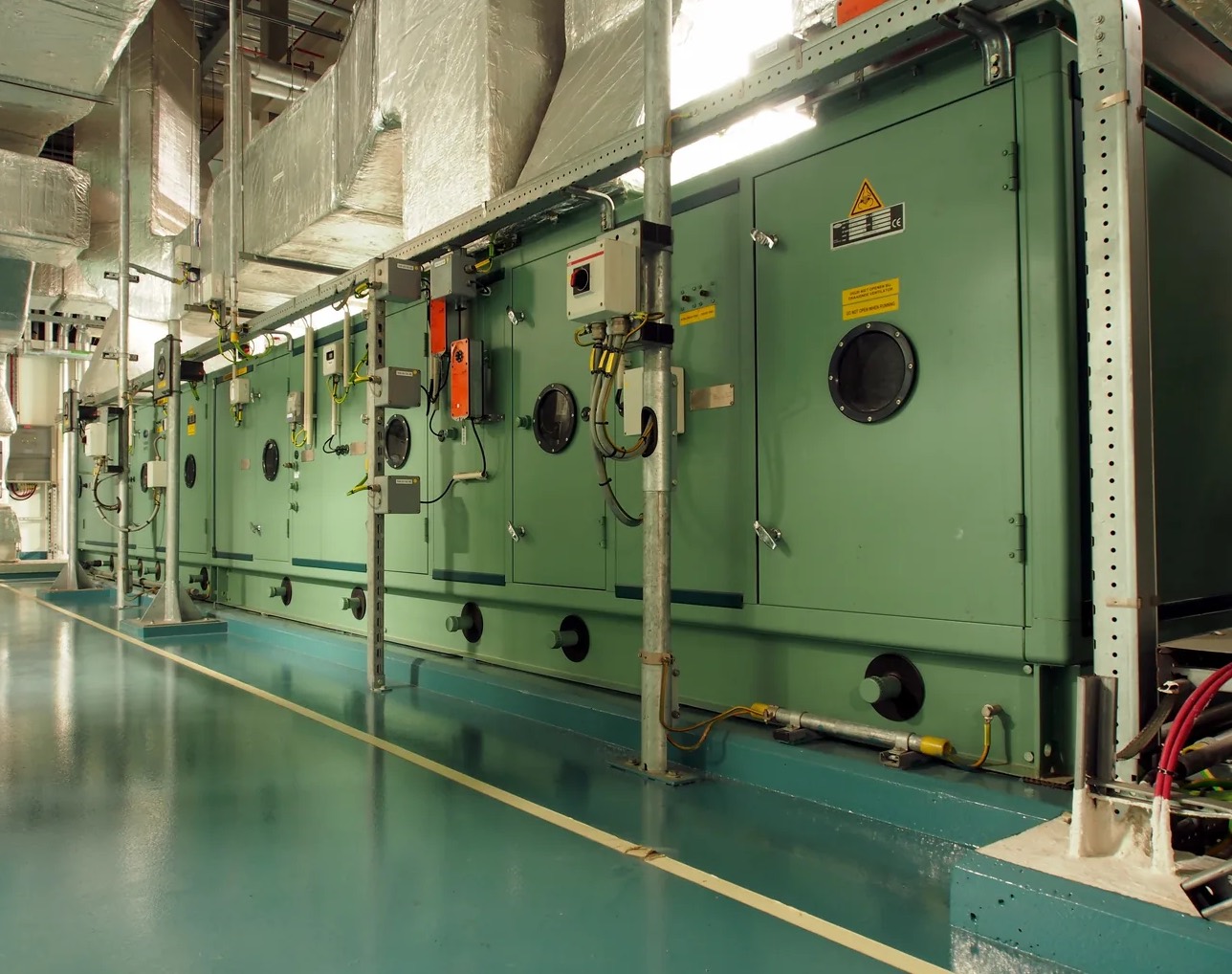
Expert HVAC Leak Water Removal in Eagle ID
In Eagle, water inside ductwork after an HVAC leak needs attention. Damp ducts can blow musty air into every room, and lined ducts may hold water for a long time.
When an HVAC leak occurs in Eagle, water needs to come out quickly to protect interior finishes and electrical systems. Local water removal pros serve this community and nearby areas like McMillan, Ustick and Hidden Springs, extracting water around the unit and drying wet ductwork before damage spreads.
HVAC Leak Water Removal Service Details in Eagle
HVAC Cabinet Water Extraction
Standing water in the cabinet rusts the pan, panels and fasteners. Getting it out early stops that, and the cabinet is dried before the system runs again.
Wet Insulation Removal Near HVAC
Saturated insulation near the HVAC unit loses R-value and can foster mold. Removal is often necessary for a proper dry-out.
AC Condensate Leak Water Removal
An overflowing secondary pan from a blocked drain line creates a steady leak. Water extraction experts remove the water to protect the HVAC cabinet and subfloor.
Moisture Remediation for HVAC Systems
The job ends with a dry space and dry materials around the unit. Readings from the last day are recorded so you have proof the area is dry.
Emergency HVAC Leak Cleanup
A sudden major leak from a ruptured line or failed coil requires emergency cleanup. The priority is stopping the source and extracting standing water.
Signs You Require HVAC Leak Water Removal in Eagle
High Indoor Humidity Levels
A home feeling persistently muggy can mean the HVAC system is not properly removing airborne moisture.
Stained Ceilings or Walls Near Vents
Stains on drywall or ceilings around supply vents often trace back to ducts that are sweating or leaking.
Unusual Sounds From the AC Unit
Gurgling, dripping, or hissing noises from the indoor unit frequently accompany a condensate drainage failure.
Water Puddles Under HVAC Unit
Standing water or persistent dampness around the air handler or furnace cabinet often signals an active HVAC leak.
How HVAC Leak Water Removal Works in Eagle
Step 1: Emergency Assessment and Water Extraction
The pros stop the water at the unit and extract the standing water from the cabinet, the closet floor and any wet carpet.
Step 2: System Inspection and Moisture Mapping
Moisture meters and thermal cameras show where water went, including wet insulation and duct sections, and the drying plan is built from that.
Step 3: Targeted Drying and Dehumidification
Air movers and dehumidifiers are placed to dry the walls, ceiling, floor and duct runs that got wet.
Step 4: Cleaning and Final Verification
Affected surfaces and HVAC components are cleaned. Final moisture readings confirm the area is dry.
Common Causes of HVAC Water Leaks in Eagle
Improper HVAC System Slope
An air handler or drain line installed without correct pitch prevents gravity-driven water flow to the drain.
Frozen Evaporator Coil Thawing
A coil freezing due to low refrigerant or airflow can release large volumes of water upon thawing.
High Static Pressure in Ducts
An oversized system or closed vents can upset airflow and drainage, so condensate does not drain as it should.
Clogged Condensate Drain Line
Algae, sludge, or debris blocking the primary drain pipe causes water to back up into the HVAC cabinet.
Commercial and Residential HVAC Leak Water Removal in Eagle
Residential HVAC Leak Water Removal
In homes, an AC condensate leak can rot subfloor and baseboards if it is left. The pros dry the tight spaces around the unit and record the damage for insurance.
Commercial HVAC Leak Water Removal
A flooded HVAC unit in a commercial building needs a coordinated response. The pros manage large-volume extraction, coordinate with facility managers, and implement drying protocols.
HVAC Leak Water Removal: DIY Risks and Pro Solutions in Eagle
A hygrometer can show if indoor humidity is too high, and keeping supply vents open helps airflow. If you see mold inside ducts or smell something musty, DIY cleaning will not reach it. Call (208) 537-2633 for drying help.
Cost Insights for HVAC Leak Water Removal in Eagle
In Eagle, the cost of HVAC water cleanup depends on how many rooms and materials got wet. Water around coils and cabinets takes careful work in tight spaces.
Post-Extraction Repairs
Some jobs need small drain line or insulation repairs after drying, which are priced separately.
Emergency Service Timing
HVAC leak cleanup started at night, on weekends or on holidays may be billed at a different rate.
HVAC System Accessibility
Units in tight closets or attics take more labor to reach, clean around and dry.
Does Insurance Cover HVAC Leak Water Removal?
For a flooded HVAC drain line, coverage often depends on whether the leak was sudden or came from skipped maintenance. Records of the damage and the cleanup go to your insurer, who decides.
Advantages of Local Pros for HVAC Leak Water Removal in Eagle
HVAC-Specific Moisture Detection
Moisture meters and thermal cameras find water in ducts, insulation and cabinets that you cannot see.
Containment and Air Filtration
The work area can be closed off so dust and moist air do not spread while wet materials are removed.
Structured Dehumidification Strategy
Air movers and dehumidifiers are placed to dry the cabinet area and nearby walls without blowing water further.
Emergency HVAC Leak Water Removal Services in Eagle
Water damaged HVAC components risk mold and system failure. For fast-response HVAC leak water removal in Eagle, call (208) 537-2633 at any hour.
Call Now (208) 537-2633HVAC Leak Water Removal Near Eagle: Areas Served
Emergency water removal around a flooded HVAC unit is available throughout Eagle and nearby communities, including McMillan, Ustick and Hidden Springs. Fast response limits damage to sensitive components.
- HVAC Leak Water Removal in McMillan
- HVAC Leak Water Removal in Ustick
- HVAC Leak Water Removal in Hidden Springs
- HVAC Leak Water Removal in West Bench
- HVAC Leak Water Removal in Collister
- HVAC Leak Water Removal in Garden City
- HVAC Leak Water Removal in Meridian
- HVAC Leak Water Removal in Star
- Emergency Damage Restoration in 83616
- Storm Damage Restoration in 83616
- Water Damage Restoration in 83616
- Water Extraction Service in 83616
- Water Leak Detection in 83616
- Water Removal Service in 83616
HVAC Leak Water Removal FAQs
What's the difference between water extraction and drying?
Extraction removes the liquid water. Drying uses dehumidifiers and air movers to pull out the moisture left in insulation, drywall and wood.
Can I run my AC after a condensation leak?
No. Running the system while it leaks can spread water further and cause electrical shorts.
How quickly should I address AC unit water damage?
As soon as you see it. Water can reach wiring and soak drywall and insulation, and mold can start within a day or two in wet materials.
How long does wet ductwork drying typically take?
It depends on how much water there is and how easy it is to reach. Most jobs take two to four days of drying with commercial equipment.
What documentation do pros provide for insurance?
The pros take photos and moisture readings and keep a drying log of the cleanup that you can send to your insurer.