Southeast Boise, ID · Ada County
Industrial Dehumidification in Southeast Boise, IDDisaster Recovery Drying & Emergency Water Removal
Industrial Dehumidification in Southeast Boise includes mold remediation services, structural drying services, and disaster recovery drying.
Answered 24/7
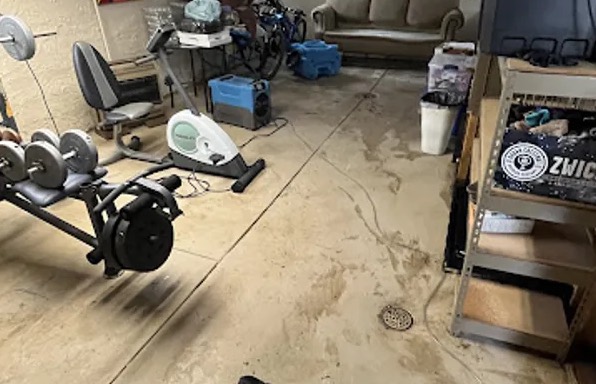
Local Industrial Dehumidification for Southeast Boise Businesses
Data centers, storage rooms and archives need stable humidity. After water damage, condensation and corrosion can harm equipment and records.
Industrial dehumidification is a priority for large facilities in Southeast Boise and nearby areas like Hillcrest, Harris Ranch and Central Bench. Whether dealing with a burst pipe or ongoing humidity issues, local water damage pros apply commercial dehumidification techniques.
Professional Industrial Dehumidification in Southeast Boise
Disaster Recovery Drying
Disaster scenarios create complex drying challenges. The pros design a recovery plan centered on industrial dehumidification. The process involves drying contents and structure in tandem.
Emergency Water Removal
After a flood, standing water has to come out first. Pumps and extractors remove it so drying can begin.
Commercial Water Damage Cleanup
Leaks or floods in commercial properties need high-capacity dehumidifiers. Humidity control in expansive areas targets moisture in concrete slabs and behind walls.
Industrial Humidity Reduction Systems
A building may need a dedicated system for ongoing humidity. Industrial dehumidification units integrate into HVAC or operate independently.
Structural Drying Services
Water-compromised materials must be dried from the inside out. The pros use specialized equipment to extract moisture trapped within concrete, wood, and drywall.
When to Call for Industrial Dehumidification in Southeast Boise
Musty Odors and Smells
A persistent earthy smell often points to hidden moisture in walls, ceilings or stored goods.
Damp Insulation or Drywall
Wet materials behind walls or above ceilings stay wet for weeks without forced drying and can rot.
Condensation on Pipes
Sweating pipes and ducts drip water and raise the humidity in the space even further.
Equipment Rust or Corrosion
New rust on machinery or metal stock can come from damp air in the building.
How Industrial Dehumidification Works in Southeast Boise
Step 1: First Call and Extraction
Local water damage pros check for hazards first and then start extracting flood water.
Step 2: Dehumidification System Setup
Industrial dehumidifiers are set up to create a controlled drying chamber for the air and materials.
Step 3: Targeted Moisture Control
Drying is aimed at problem spots like wet drywall, subfloors and dense materials.
Step 4: Documentation for Property Restoration
Moisture readings and photos are recorded throughout for your files and your insurer.
Causes of Excess Moisture Requiring Industrial Dehumidification in Southeast Boise
Process Water or Chemical Spills
Industrial processes that use liquids carry a constant risk of accidental spills and releases.
Groundwater Intrusion and Saturation
Poor drainage around the building can let water seep up through the floor.
HVAC System Condensation Issues
Cooling systems that are poorly maintained or oversized can produce a lot of condensation and raise humidity.
Poor Ventilation and Airflow
Poor ventilation traps moisture from work processes and people inside the building.
Industrial Dehumidification for Homes and Businesses in Southeast Boise
Residential Industrial Dehumidification
In homes, water from a burst pipe spreads inside walls and under floors. The pros find the wet areas with meters and dry them to save the structure and finishes.
Commercial Industrial Dehumidification
Manufacturing plants and warehouses need large-scale drying after a major water incident. Drying brings the space back to the humidity levels production requires.
Industrial Dehumidification vs. Do-It-Yourself in Southeast Boise
Opening windows can help with minor humidity in a small room. Controlling humidity in a large commercial space with stock or equipment usually takes industrial dehumidifiers.
What Influences Industrial Dehumidification Expense in Southeast Boise
Industrial flood cleanup costs depend on the scale of water removal and how many hours of structural drying are needed.
Water Contamination Level
Clean, gray and black water need different safety steps and cleanup methods.
Emergency Service Timing
After-hours or 24/7 calls may be billed at a different rate than a scheduled visit.
Affected Square Footage
The size of the area to be dehumidified sets how much equipment and labor are needed.
Does Insurance Cover Industrial Dehumidification?
The pros provide detailed documentation of the damage, including moisture maps and photographic evidence, to support the property owner's claim submission for review.
Advantages of Hiring Local Pros for Industrial Dehumidification in Southeast Boise
IICRC-Standard Drying Methods
The pros follow industry drying standards so moisture is fully removed from the structure.
Detailed Moisture Documentation
Meters and sensors track humidity and moisture, so you can see drying progress day by day.
Humidity Reduction Systems
Dehumidifiers can stay in place until humidity in the building is stable.
Emergency Flood Response in Southeast Boise
For industrial dehumidification after a flood or major leak in Southeast Boise, call (208) 537-2633. The pros are available around the clock for water removal and commercial drying.
Call Now (208) 537-2633Areas Served for Industrial Dehumidification Near Southeast Boise
The pros provide commercial dehumidification and water cleanup for facilities in Southeast Boise and nearby Hillcrest, Harris Ranch and Central Bench.
- Industrial Dehumidification in Hillcrest
- Industrial Dehumidification in Harris Ranch
- Industrial Dehumidification in Boise
- Industrial Dehumidification in Central Bench
- Industrial Dehumidification in Morris Hill
- Industrial Dehumidification in North End Boise
- Industrial Dehumidification in Maple Grove
- Industrial Dehumidification in Winstead Park
Industrial Dehumidification FAQs for Southeast Boise Property Owners
What is the first step in emergency water removal?
The initial critical step is extracting all standing water using truck-mounted or portable pumps and extractors.
What is structural drying?
It removes moisture soaked into building materials like concrete slabs and walls so they do not decay or grow mold.
What is the goal of disaster recovery drying?
It is drying a building after a large water loss so the business can return to normal use as soon as possible.
Why is fast water extraction so important?
Removing water quickly keeps it from soaking deeper, shortens drying and lowers the risk of mold and warping.
What areas need drying after a warehouse flood?
All wet areas: floors, walls, stored contents and often the subfloor and insulation as well.