Moss, ID · Canyon County
Roof Leak Water Removal in Moss, IDAttic Water Extraction & Structural Drying Services
Local water extraction experts in Moss provide roof leak water removal with emergency roof tarping, wall cavity drying and structural drying services.
Answered 24/7
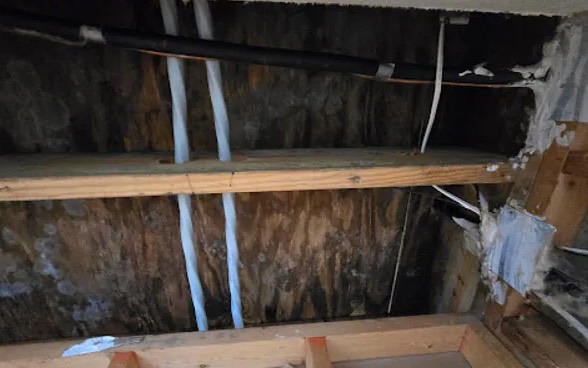
Roof Leak Cleanup and Drying in Moss
When a storm pushes water through the roof of a Moss home, the attic is the first place it collects and the hardest place to dry.
Roof leak water removal is available in Moss and nearby West Valley, Nampa and Victory. The pros tarp the opening if needed, extract the water and dry the attic framing and ceiling drywall.
Roof Leak Water Removal Work in Moss
Attic Water Extraction
In Moss homes with low attics, extraction is done with compact equipment that fits between joists and over ceiling drywall without stepping through it.
Structural Drying Services
Air movers and dehumidifiers are set up in the attic and the rooms below. Rafters, decking and joists are metered daily until they reach normal readings.
Wall Cavity Drying
Bubbling paint or a damp baseboard below a ceiling stain means water is in the wall. Drying the cavity keeps the framing and drywall from rotting.
Leak Source Identification
Photos of the entry point, the wet decking and the path of the water give the roofer and your insurer a clear record of the leak.
Wet Insulation Removal
Soaked batts and blown insulation hold water against the ceiling and framing for weeks. The pros bag and remove it so the attic can dry.
How to Tell Water Is Coming Through the Roof
Daylight Through the Roof Deck
Light showing through the decking from inside the attic marks a gap where rain can come straight in.
Wet or Flattened Insulation
Insulation that is matted, stained or damp to the touch in the attic means rain is getting past the roof deck.
Dripping From a Light Fixture
Water dripping from a light or ceiling fan means it has pooled above the ceiling. Turn off that circuit and keep people clear.
Gutters Spilling Over the Roof Edge
Gutters that overflow toward the house during storms can push water under the shingles and into the wall top plates.
How Roof Leak Water Removal Works in Moss
Step 1: Find Where the Water Enters
The pros trace the water from the stain up into the attic to locate the entry point and note it for the roofer.
Step 2: Measure the Wet Area
Moisture meters and a thermal camera show how far the water spread across the attic, ceiling and walls.
Step 3: Extract and Remove
Standing water is removed, and drywall or insulation that is too wet to dry in place is cut out.
Step 4: Dry and Verify
Drying equipment runs until readings in the wood and drywall match dry areas of the house, and the results are recorded.
Common Causes of Roof Leaks in Moss
Aging Roofing Materials
As shingles age they curl, lose granules and crack, and slow leaks start where the roof covering has worn thin.
Nail Pops and Old Penetrations
Nails that back out and holes left from old dishes or antennas open small paths for water that grow with each storm.
Skylight Seals
Skylight gaskets and curb flashing wear out, and water runs into the shaft and down the drywall around the opening.
Attic Condensation
Warm, humid indoor air meeting a cold roof deck in winter forms frost and drips that can look like a leak and soak insulation.
Residential and Commercial Roof Leak Water Removal in Moss
Residential Roof Leak Water Removal
Attic work in a house is tight. Local water extraction experts in Moss work from the joists, remove wet insulation and dry the ceiling drywall without stepping through it.
Commercial Roof Leak Water Removal
Leaks over stores and offices can wet stock, desks and electronics. The pros move contents out of the drip zone, extract the water and set up drying for the affected suites.
DIY Steps and Their Limits After a Roof Leak in Moss
Fans and a household dehumidifier help a damp room, but they rarely dry an attic or a soaked ceiling. Wet insulation needs to come out first.
Factors in Roof Leak Water Removal Cost in Moss
Costs rise when water has reached walls and floors below the attic, because each level needs its own extraction and drying setup.
How Long It Leaked
A leak caught during the first storm usually means less wet material than one that has been dripping into the attic for weeks.
Emergency Tarping
If the roof needs a tarp before drying can start, the materials and labor for that step add to the bill.
Insulation Removal
Bagging and hauling soaked insulation takes labor, and the attic needs new insulation once the framing is dry.
Does Insurance Cover Roof Leak Water Removal?
Many homeowner policies cover sudden roof leaks caused by a storm or falling tree, but not leaks from wear and age. Your insurer decides what is covered.
Why Professional Roof Leak Water Removal Pays Off
Finding Hidden Water
Thermal cameras and moisture meters find wet insulation and wall cavities that are not visible from the room below.
Records for Your Claim
Photos, readings and a materials list give your adjuster a clear picture of what the roof leak damaged.
Wet Insulation Handled
Soaked insulation is bagged and removed so the ceiling and framing can dry instead of staying damp under it.
Emergency Attic Water Removal in Moss
Wet insulation and a stained ceiling after last night's rain? Call (208) 537-2633 so the attic can be dried before the drywall has to come down.
Call Now (208) 537-2633Local Roof Leak Water Removal Coverage for Moss
The places below are also served, and each one has its own page.
Questions About Roof Leak Water Removal
What tools help find a hidden roof leak?
Moisture meters, thermal cameras and a careful look at the attic decking help the pros spot wet areas that are not visible from below.
How soon should water removal start after a roof leak?
As soon as possible. Wet drywall and insulation can start to grow mold in 24 to 48 hours, and a ceiling holding water can sag and fall.
How is water removed from an attic?
Standing water is pulled out with wet vacuums and extractors, then soaked insulation is removed so the ceiling and framing can be dried.
Why should rainwater be removed from the attic quickly?
Water in the attic soaks through the ceiling into the rooms below and keeps the framing wet. Removing it early limits drywall and insulation losses.
Does a stained ceiling always need to be replaced?
No. If moisture readings show the drywall is firm and dries out, it can often stay and be primed and painted. Soft or sagging sections are replaced.