Depot Bench, ID
Sewage Water Extraction in Depot Bench, IDContaminated Flooring Removal & Emergency Sewage Pump Out
Sewage Water Extraction for Depot Bench businesses and homes covers sewage backup cleanup, black water extraction and sewage damage sanitization.
Answered 24/7
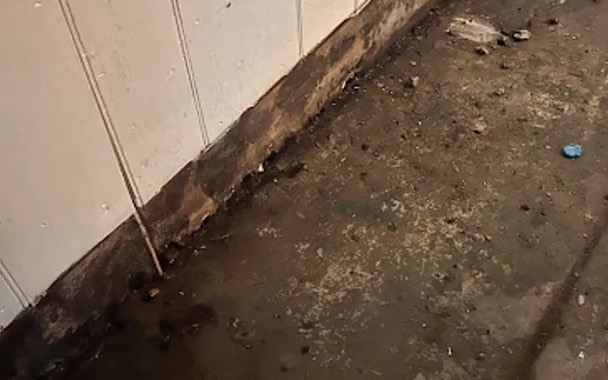
Sewage Cleanup and Extraction in Depot Bench
In the Depot Bench area, a sewage backup is handled as contaminated water from the first step: the area is contained, the sewage is extracted and every touched surface is disinfected.
For Depot Bench homeowners, the first sign of a sewage backup is often a gurgling toilet or water in the shower. Stop using water in the house and call for extraction.
Sewage Extraction and Sanitizing in Depot Bench
Contaminated Flooring Removal
Once contaminated flooring is out, the subfloor or slab is scrubbed, treated and dried before new flooring is installed.
Emergency Sewage Pump Out
Deep sewage water is removed first with trash pumps that can handle solids, so extractors can reach the floor.
Sewage Backup Cleanup
The pros wear protective gear, contain the area so sewage is not tracked through the house, and clear the water and waste from every room it reached.
Flooded Basement Cleanup
When sewage backs up through a basement floor drain, the pros pump out the water, remove soaked finishes and clean and disinfect the slab and walls.
Sewage Damage Sanitization
Studs and the slab or subfloor exposed by demolition are treated before drying so bacteria are not sealed into the wall.
Sewage Backup Warning Signs in Depot Bench
Backup After Heavy Rain
Drains that back up only during storms often mean the city sewer is overloaded and pushing water back toward the house.
Stained or Wet Flooring Near Fixtures
Dark stains, lifting tile or soft flooring around a toilet or tub can mean a slow leak from the drain connection.
Flies and Pests Near Drains
Drain flies or other insects gathering around a floor drain or bathroom can mean sewage is sitting where it should not be.
Sewage Coming Up Through Drains
Dirty water rising in a floor drain, shower or tub, especially when another fixture is used, means the drain line is blocked.
How Sewage Water Extraction Works in Depot Bench
Step 1: Assess the Contamination
The pros check how far sewage spread, how high it wicked up the walls and what belongings it touched.
Step 2: Extraction and Removal
Sewage is removed from hard surfaces, and soaked porous materials are cut out above the wick line.
Step 3: Clean and Treat
The slab or subfloor, studs and fixtures are scrubbed and disinfected before any drying equipment is set up.
Step 4: Document for the Claim
Photos, moisture readings and a list of removed materials and belongings are prepared for your insurer.
Sources of Sewage Water Damage in Depot Bench
Heavy Storm Runoff
Storm water that gets into sewer lines through cracks or illegal connections can overwhelm them and cause backups.
Septic System Problems
A full septic tank or a failing drain field can push sewage back into the house through the lowest drains.
Grease Buildup
Cooking grease poured down drains hardens inside pipes, narrows them and leads to backups at the lowest fixture.
Overloaded City Sewer
Heavy rain can overload combined or aging city sewers, and the excess pushes back through basement and floor drains.
Sewage Water Extraction for Homes and Businesses in Depot Bench
Residential Sewage Water Extraction
Bathroom and laundry backups in a house can reach hallways and bedrooms. Every surface the sewage touched is cleaned and treated, not only the room it started in.
Commercial Sewage Water Extraction
Restaurants, offices and stores with shared restrooms get extraction, removal of contaminated materials and disinfection, planned to limit how long the space is closed.
What You Can Do Before Sewage Cleanup Starts
Household mops, wet-dry vacuums and bleach are not enough for sewage. Waste soaks into porous materials, and bleach does not clean surfaces still coated with it.
Sewage Water Extraction Cost in Depot Bench, ID
In Depot Bench, the main cost drivers after a sewage backup are pump-out, material removal and disposal, disinfection and drying time.
Time Before Cleanup
Sewage that sat for a day or more soaks deeper and leaves stronger odor, so more material comes out and drying takes longer.
Access and Layout
Tight crawl spaces, finished floors and spaces under cabinets take longer to clean than an open concrete floor.
Materials Removed
Carpet, pad, drywall, insulation and cabinets touched by sewage are removed and disposed of, which adds to the cost.
Does Insurance Cover Sewage Water Extraction?
Coverage can depend on the cause. A backup from the city sewer may be handled differently than one from a clog in your own line.
What Local Pros Bring to a Sewage Backup
Odor Removed at the Source
Removing soaked materials and treating the surfaces underneath deals with the cause of the smell, not just the air.
Proper Disposal
Sewage and contaminated materials are removed and disposed of properly, not pumped onto the yard or left in the trash.
Clean Before Disinfecting
Surfaces are cleaned first and then disinfected, which is how disinfectants are meant to work.
Emergency Sewage Cleanup in Depot Bench, ID
Do not try to mop up sewage yourself. Call (208) 537-2633 so the area can be cleaned, disinfected and dried safely.
Call Now (208) 537-2633Sewage Water Extraction Coverage in Depot Bench and Beyond
Help with sewage water extraction is available across Depot Bench, including sewage backup cleanup and black water extraction.
Questions About Sewage Water Extraction
Will the sewage smell go away?
Yes, once soaked materials are removed and surfaces are cleaned and disinfected. Air scrubbers remove what lingers in the air.
What does sewage cleanup cost?
It depends on how much sewage there is, how many rooms it reached and what must be removed. The pros give a price after seeing the damage.
What causes sewage to back up into a house?
Common causes are tree roots in the sewer line, grease and wipes in the pipes, a collapsed pipe and city sewers overloaded by heavy rain.
How long does sewage cleanup take?
Extraction and removal often take a day. Cleaning, disinfecting and drying usually take three to five more days, depending on the size of the area.
Can I clean up sewage myself?
Small spills on hard floors can be, with gloves, boots and disinfectant. Sewage that reached carpet, walls or several rooms needs professional cleanup.