Ten Mile, ID
Sewage Water Extraction in Ten Mile, IDEmergency Sewage Pump Out & Sewage Damage Sanitization
Sewage Water Extraction in Ten Mile covers flooded basement cleanup, black water extraction, sewage damage sanitization and sewage odor removal.
Answered 24/7
Sewage Water Extraction for Ten Mile Homes
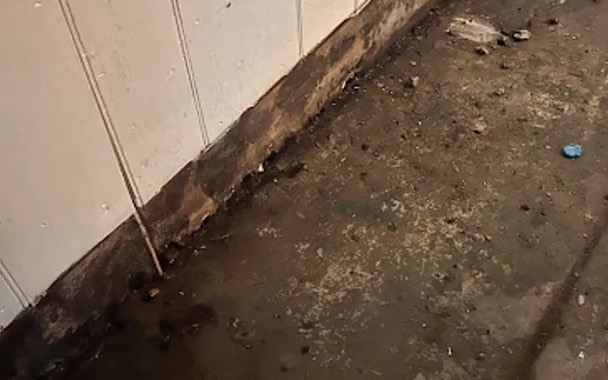
A sewage backup spreads quickly across hard floors and soaks into anything porous. The longer it sits, the more drywall, flooring and cabinets have to go.
Businesses in Ten Mile with restrooms and floor drains can see backups that affect several rooms. The pros contain each area so customers and staff stay clear.
Sewage Water Extraction Services in Ten Mile
Emergency Sewage Pump Out
Deep sewage water is removed first with trash pumps that can handle solids, so extractors can reach the floor.
Sewage Damage Sanitization
Floors, walls, cabinets and fixtures touched by sewage are cleaned with detergent first, then treated with a registered disinfectant.
Contaminated Drywall Removal
Sewage wicks up into drywall and baseboards. Removing those sections lets the pros clean and disinfect the studs behind them.
Contaminated Flooring Removal
Laminate, vinyl plank and wood floors that sewage seeped under are lifted so the subfloor can be cleaned, disinfected and dried.
Black Water Extraction
Sewage is category 3 water, also called black water. It is removed with extractors and pumps that discharge to a drain or holding tank, not onto the yard.
Signs You Need Sewage Water Extraction
Sewage Coming Up Through Drains
Dirty water rising in a floor drain, shower or tub, especially when another fixture is used, means the drain line is blocked.
Stained or Wet Flooring Near Fixtures
Dark stains, lifting tile or soft flooring around a toilet or tub can mean a slow leak from the drain connection.
Water Around the Basement Floor Drain
Dark water pooling around a basement floor drain after heavy rain or laundry use is often the first sign of a sewage backup.
Backup After Heavy Rain
Drains that back up only during storms often mean the city sewer is overloaded and pushing water back toward the house.
How Sewage Water Extraction Works in Ten Mile
Step 1: Stop the Backup
Water use in the house is stopped and the blockage is cleared or isolated so no more sewage comes up the drains.
Step 2: Black Water Extraction
Sewage is pumped and extracted from floors and fixtures, and solids are removed for proper disposal.
Step 3: Remove Contaminated Materials
Carpet, pad, drywall, insulation and baseboards touched by sewage are cut out and bagged.
Step 4: Clean, Disinfect and Dry
Floors, studs and fixtures are cleaned and treated with disinfectant, then dried with air movers and dehumidifiers.
Common Causes of Sewage Backups in Ten Mile
Failed Backwater Valve
A backwater valve that sticks open or is missing lets sewage from the street line flow back into the home.
Heavy Storm Runoff
Storm water that gets into sewer lines through cracks or illegal connections can overwhelm them and cause backups.
Overloaded City Sewer
Heavy rain can overload combined or aging city sewers, and the excess pushes back through basement and floor drains.
Grease Buildup
Cooking grease poured down drains hardens inside pipes, narrows them and leads to backups at the lowest fixture.
Sewage Water Extraction for Every Property in Ten Mile, ID
Residential Sewage Water Extraction
Families with young children, older adults or anyone with health problems should stay away from the area until cleanup and disinfection are finished.
Commercial Sewage Water Extraction
Commercial kitchens and food businesses need floors, drains and nearby surfaces cleaned and disinfected before they can be used again.
DIY Limits After a Sewage Backup in Ten Mile
Stop using water in the house: no flushing, showers, laundry or dishwasher. Every drop sent down the drain can come back up as sewage in the lowest fixture.
What Sewage Water Extraction Costs in Ten Mile
The cost of sewage water extraction in Ten Mile depends on how much sewage there is, how many rooms it reached and how much flooring and drywall must come out.
Belongings
Sorting, cleaning or disposing of furniture and stored items that sat in sewage adds labor to the job.
Drying and Odor Control
Each extra day of dehumidifiers, air movers and air scrubbers adds to the total.
Access and Layout
Tight crawl spaces, finished floors and spaces under cabinets take longer to clean than an open concrete floor.
Does Insurance Cover Sewage Water Extraction?
Many homeowner policies do not cover sewage backups unless you have a sewer or water backup endorsement. Check your policy before work starts.
Why Call Local Water Removal Experts for Sewage Water Extraction in Ten Mile
Homes and Businesses
The same cleanup steps apply to houses, condos, restaurants and offices, scaled to the size of the backup.
Proper Disposal
Sewage and contaminated materials are removed and disposed of properly, not pumped onto the yard or left in the trash.
Measured Drying
Drying ends when readings match unaffected areas, so walls and floors are not closed up while still wet.
Emergency Sewage Cleanup in Ten Mile, ID
For sewage backup cleanup in Ten Mile, call (208) 537-2633 to reach local water removal experts any hour, including late nights, weekends and holidays.
Call Now (208) 537-2633Sewage Water Extraction Coverage in Ten Mile and Beyond
Help with sewage water extraction is available across Ten Mile, including sewage backup cleanup and black water extraction.
Common Questions After a Sewage Backup
Does homeowners insurance cover sewage backups?
Many policies cover them only with a sewer or water backup endorsement. Check your policy and talk to your insurer about the claim.
What should I do while I wait for sewage cleanup help?
Stop using water in the house, keep people and pets away from the area, turn off power to wet rooms if it is safe and take photos.
Can I stay in my home during sewage cleanup?
Often yes, if the affected area is closed off and you can avoid it. People with health problems, infants and older adults may want to stay elsewhere.
Is bleach enough to clean up sewage?
No. Bleach does not work well on surfaces still covered in waste, and it cannot clean porous materials. Removal and proper cleaning come first.
How long does sewage cleanup take?
Extraction and removal often take a day. Cleaning, disinfecting and drying usually take three to five more days, depending on the size of the area.