Garden City, ID · Ada County
Subfloor Water Extraction in Garden City, IDWet Subfloor Drying Services & Flooded Subfloor Cleanup
Around Garden City, subfloor water extraction covers flooded subfloor cleanup, wood floor water damage cleanup and subfloor leak water extraction.
Answered 24/7
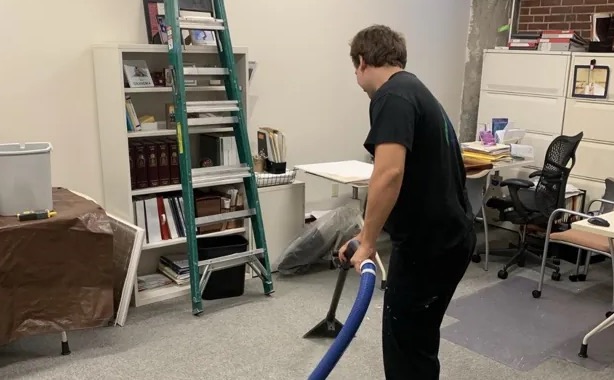
Local Subfloor Water Extraction Services in Garden City, Idaho
Water in a subfloor does more damage every hour it sits. In Garden City, quick extraction can mean drying the subfloor instead of tearing it out.
Properties in Garden City and nearby areas like Morris Hill, Winstead Park and North End Boise can experience subfloor water issues from various sources. Local water extraction experts provide focused subfloor water extraction to address these regional concerns.
Comprehensive Subfloor Water Extraction Services in Garden City
Wet Subfloor Drying Services
After extraction, air movers and dehumidifiers dry the subfloor until the wood is back to normal readings in Garden City homes, so it does not warp.
Flooded Subfloor Cleanup
Floodwater carries contaminants deep into the subfloor. Cleanup requires powerful extraction to remove water and debris.
Water Damaged Subfloor Repair
Rot or warping can weaken a subfloor, making it unsafe. Repair services cut out damaged wood and reinforce the area with new lumber.
Emergency Water Extraction
After a burst pipe or appliance leak, water extraction is available around the clock in Garden City to limit damage to the subfloor.
Subfloor Moisture Removal
Dampness often remains after a leak is fixed. Subfloor moisture removal targets residual humidity in wood and concrete. Local experts use injectidry systems and dehumidification.
How to Know When You Need Subfloor Water Extraction
Buckling or Warping Floorboards
When floorboards warp, cup, or lift, it's often a sign of water damage and swelling in the subfloor underneath.
Increased Humidity in the Room
A room feeling unusually humid or clammy can indicate evaporating moisture from a wet subfloor below.
Visible Water Stains on Flooring
Dark stains or discoloration on your wood, laminate, or vinyl floors point to a water issue beneath the surface.
Persistent Damp Odors
A lingering musty smell in your home suggests moisture trapped below your floors is causing mold or mildew growth.
How Subfloor Water Extraction Works in Garden City
Step 1: Assessment and Containment
Local water extraction experts first assess the damage, identify the water source, and contain the area to prevent cross-contamination.
Step 2: Subfloor Water Removal
Specialized extraction tools are used to pull water from the saturated subfloor, focusing on the crawl space or area under the flooring material.
Step 3: Structural Drying Process
A focused drying system with air movers and dehumidifiers circulates dry air to evaporate residual moisture trapped deep within the subfloor assembly.
Step 4: Sanitization and Monitoring
The area is treated with antimicrobials if needed, and moisture levels are monitored until the subfloor reaches a dry and stable condition.
Leading Sources of Subfloor Flooding in Garden City
Faulty or Clogged Drainage Systems
Poor gutter drainage, clogged yard drains or soaked soil can send water toward and under your home's foundation.
HVAC Condensate Line Leaks
A disconnected or clogged condensate drain line from your air conditioner can leak significant water onto the subfloor.
Severe Weather Flooding
Heavy rain, flash floods or poor yard drainage can push water into a crawl space or under floorboards.
Foundation Cracks and Seepage
Cracks in your home's foundation or slab can allow groundwater to seep in, leading to a wet subfloor over time.
Subfloor Water Extraction for Homes and Businesses in Garden City
Residential Subfloor Water Extraction
When burst pipes or storms flood a home, local pros remove the water fast and start drying the subfloor before secondary damage sets in.
Commercial Subfloor Water Extraction
Restaurants and clinics need subfloors cleaned and dried before they reopen. The experts remove the water, clean the area and dry the floor structure.
The Risks of DIY Subfloor Water Extraction in Garden City
For a minor spill, soak up surface water with towels and a mop and move furniture and rugs away. Standing water or a suspected leak under the floor needs local water extraction experts.
Factors Affecting Subfloor Water Extraction Cost in Garden City, ID
Subfloor water extraction costs in Garden City begin with assessing trapped water volume. Water damage classification is significant. The affected area square footage and drying chambers needed are calculated. Hidden moisture potential expands work.
Water Contamination Level
Clean water from a supply line requires different safety protocols and cleanup than gray or black category contaminated water.
Emergency Response Timing
A 24/7 emergency call-out for immediate water extraction can affect scheduling and resource allocation for the pros.
Affected Square Footage
The total area of wet subfloor directly influences the amount of equipment and labor hours needed for complete moisture removal.
Does Insurance Cover Subfloor Water Extraction?
Insurance may cover subfloor water extraction if the cause is a covered peril. A documented report of the damage and the subfloor drying process is created. This supports the homeowner's claim.
Benefits of Local Experts for Subfloor Water Extraction in Garden City
Comprehensive Drying Systems
High-capacity dehumidifiers and air movers create a controlled drying environment for wet subfloor materials.
IICRC-Standard Drying Methods
Following industry standards ensures your subfloor is dried systematically to prevent secondary damage like mold and wood rot.
Advanced Moisture Detection
Using professional meters, pros find hidden moisture in subfloors and joists that isn't visible to the naked eye.
24/7 Subfloor Water Extraction for Emergencies in Garden City
A flooded subfloor is an urgent situation requiring professional equipment. Contact the experts for emergency service in Garden City by calling (208) 537-2633.
Call Now (208) 537-2633Subfloor Water Extraction Throughout the Garden City Area
Help with water under floorboards is available in Garden City and nearby areas like Morris Hill, Winstead Park and North End Boise, with extraction and drying of the subfloor.
- Subfloor Water Extraction in Morris Hill
- Subfloor Water Extraction in Winstead Park
- Subfloor Water Extraction in North End Boise
- Subfloor Water Extraction in Central Bench
- Subfloor Water Extraction in Franklin
- Subfloor Water Extraction in Hidden Springs
- Subfloor Water Extraction in Eagle
- Subfloor Water Extraction in Collister
- Emergency Damage Restoration in 83714
- Storm Damage Restoration in 83714
- Water Damage Restoration in 83714
- Water Extraction Service in 83714
- Water Leak Detection in 83714
- Water Removal Service in 83714
FAQs on Subfloor Water Extraction in Garden City
Can wet subfloor drying save hardwood floors?
Effective drying of the wet subfloor below can stabilize the environment and improve the chances of saving hardwood flooring from permanent damage.
What is crawl space water extraction?
It involves removing water that has pooled in a crawl space beneath a home, often requiring specialized pumps due to limited access and height.
How do pros dry a wet subfloor?
Using industrial-grade extractors, dehumidifiers, and air movers, they create airflow to evaporate moisture, then monitor with meters until dry standards are met.
What if my subfloor is under concrete?
Water under a concrete slab requires different techniques, but the principle remains: remove the water source and address moisture to protect the structure above.
What tools are used for subfloor moisture removal?
Professionals use moisture meters, infrared cameras, water extractors, industrial dehumidifiers, and high-velocity air movers to detect and remove subfloor moisture.