Central Bench, ID · Ada County
Attic Water Damage Restoration in Central Bench, IDAttic Drying Services & Roof Leak Water Removal
Attic Water Damage Restoration in Central Bench runs from roof leak water removal and attic leak water cleanup to attic drying services.
Answered 24/7
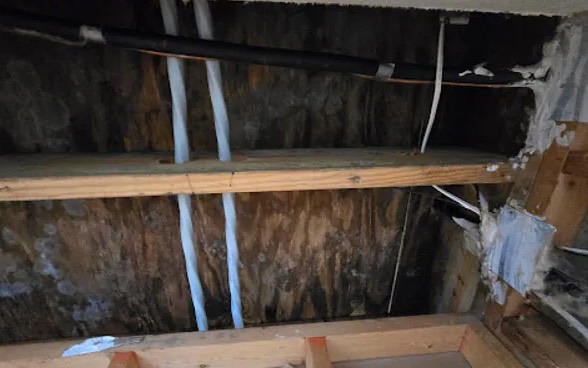
Expert Attic Water Damage Restoration Serving Central Bench, ID
In Central Bench, attics get hot in summer and damp in cooler months. That cycle matters after a leak: heat can speed drying, but poor ventilation can trap moisture and keep wood damp.
Homeowners in Central Bench can call (208) 537-2633 day or night when water is dripping from the ceiling. Service also covers Morris Hill, Franklin and Garden City, with the same attic inspection and drying process.
Available Attic Water Damage Restoration Work in Central Bench
Attic Drying Services
Attic drying targets the wood framing and the ceiling below, with readings taken until both return to normal levels.
Roof Leak Water Removal
A tarp can be placed over the damaged roof section to stop more rain from getting in while drying begins below.
Emergency Attic Water Extraction
Help is available any hour when water is pouring into the attic during a storm or from a burst pipe, before it soaks through the ceiling.
Wet Attic Insulation Removal
Wet fiberglass batts lose their insulating value and hold water against the ceiling. Soaked sections are bagged and removed so the area underneath can dry.
Attic Mold Prevention
Drying wet wood quickly is the main way to limit microbial growth in an attic. Decking and rafters that stayed damp can be treated once dry.
Do You Need Attic Water Damage Restoration in Central Bench?
Increased Humidity Upstairs
Upstairs rooms that feel clammy even with the AC on may have moisture coming from the attic.
Visible Mold in Attic
Dark spots on roof decking or rafters mean the wood has stayed damp for some time.
Water Stains on Ceiling
Brown rings or yellow spots on an upstairs ceiling usually mean water is sitting on the drywall from above.
Wet or Sagging Insulation
Insulation that looks matted, dark or compressed, or sags between joists, has absorbed water.
How Attic Water Damage Restoration Works in Central Bench
Step 1: Emergency Attic Water Extraction
Active drips are caught, pooled water is removed from decking and drywall tops, and power to wet fixtures is checked.
Step 2: Attic Moisture Inspection and Mapping
Meters and thermal cameras map wet insulation, wood and ceiling drywall from the leak point outward.
Step 3: Structural Drying and Dehumidification
Air movers and dehumidifiers dry rafters, joists and decking, with equipment set on safe footing.
Step 4: Final Verification and Documentation
Readings confirm the attic and ceiling are dry, and photos and logs are provided for insurance.
Common Causes of Attic Leaks in Central Bench
Ice Dam Formation on Roof
Ice dams at the roof edge force melting snow back under the shingles and into the attic.
Condensation From Poor Ventilation
Warm, moist air from the house condenses on cold roof decking when the attic is poorly vented.
Improperly Sealed Roof Penetrations
Gaps around vents, pipes and antennas that pass through the roof let water in when seals fail.
Roof Leaks and Damaged Shingles
Missing, cracked or lifted shingles let rain reach the roof deck and drip into the attic.
Home and Business Attic Water Damage Restoration Services
Residential Attic Water Damage Restoration
Homeowners often store boxes and holiday items in the attic. Wet belongings are moved out and dried or discarded before work on the insulation and framing starts.
Commercial Attic Water Damage Restoration
Offices and stores with roof leaks need the area below protected during work. Drying is planned around business hours where possible to keep the space open.
Attic Water Damage Restoration vs. DIY: When to Call the Pros
Putting a bucket under a drip and moving belongings is a good first step. Call local attic drying pros if the ceiling is stained, sagging or wet, or if the attic insulation is soaked.
What Influences Attic Water Damage Restoration Expenses?
Each attic water damage restoration job in Central Bench is priced after the attic is inspected. The pros check how far the water spread and explain what will be removed before starting.
Extent of Water Intrusion
A small leak at one spot costs less to dry than water spread across the attic and the rooms below.
Mold Prevention Measures
Antimicrobial treatment of decking and rafters that stayed wet is an added cost.
Ceiling Repair Needs
Replacing, taping and painting ceiling drywall after drying adds to the total.
Does Insurance Cover Attic Water Damage Restoration?
Insurers often ask what caused the leak and how long it ran. Notes on the leak point and the condition of the roof help answer those questions.
Selecting Local Pros for Attic Water Damage Restoration in Central Bench, ID
Roof Leak Location
The leak point is marked and photographed so the roofer can fix the right spot.
Ceiling Damage Mitigation
Sagging ceiling drywall is drained and removed safely before it can fall.
Advanced Moisture Detection
Moisture meters and thermal cameras find wet insulation, wood and drywall that look dry.
24/7 Emergency Attic Water Damage Restoration in Central Bench
Storm, night or holiday, local attic drying pros handle attic leaks in Central Bench. Call (208) 537-2633 to get the water out and drying started.
Call Now (208) 537-2633Local Attic Water Damage Restoration Coverage Area
Besides Central Bench, the pros handle wet attics, soaked insulation and stained ceilings in nearby Morris Hill, Franklin and Garden City.
- Attic Water Damage Restoration in Morris Hill
- Attic Water Damage Restoration in Franklin
- Attic Water Damage Restoration in Garden City
- Attic Water Damage Restoration in Winstead Park
- Attic Water Damage Restoration in Boise
- Attic Water Damage Restoration in Hillcrest
- Attic Water Damage Restoration in Maple Grove
- Attic Water Damage Restoration in North End Boise
Common Attic Water Damage Restoration Queries Answered
How is attic water damage documented?
With photos of the leak point and damage, moisture readings, a list of removed materials and daily drying logs.
How long does the attic drying process take?
Often several days, depending on how wet the wood is, the attic temperature and how much insulation was removed.
What are common signs of poor attic ventilation?
Damp or dark roof decking, rusted nails, musty smells and condensation on the underside of the roof.
What happens during attic leak water cleanup?
Pooled water is removed, wet insulation is bagged and taken out, and the framing and decking are dried with air movers and dehumidifiers.
Is attic mold prevention always needed after water damage?
Fast drying is always needed. Antimicrobial treatment is added when wood stayed wet long enough to need it.