Chinden Corridor, ID
Attic Water Damage Restoration in Chinden Corridor, IDCeiling Water Damage Cleanup & Attic Drying Services
Attic Water Damage Restoration in Chinden Corridor includes roof leak water removal, ceiling water damage cleanup and attic moisture inspection.
Answered 24/7
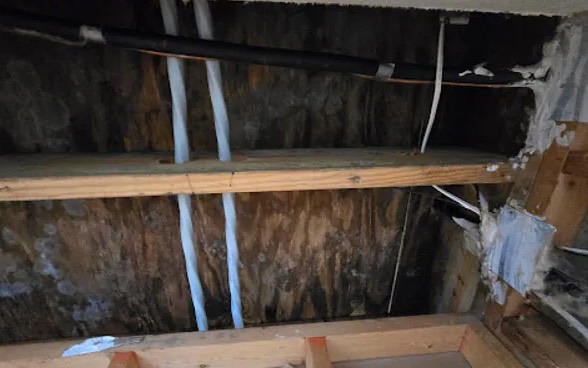
Local Attic Water Damage Restoration for Chinden Corridor Homes
Most attic water damage starts at the roof, but it ends up on the ceiling. In Chinden Corridor, a leak around flashing, a vent or damaged shingles can soak insulation and decking for weeks before a stain shows up in the room below.
Comprehensive Attic Water Damage Restoration for Chinden Corridor
Ceiling Water Damage Cleanup
Damaged ceiling drywall below the attic is removed, the cavity is dried, and the ceiling is ready for patching once readings are normal.
Attic Drying Services
Equipment is placed on boards or platforms in the attic so it can run safely without stressing the ceiling drywall.
Wet Attic Insulation Removal
Wet fiberglass batts lose their insulating value and hold water against the ceiling. Soaked sections are bagged and removed so the area underneath can dry.
Attic Moisture Inspection
Moisture meters and thermal cameras check decking, rafters, insulation and the ceiling below to find every wet area.
Attic Leak Water Cleanup
Leak cleanup in an attic means working between joists and around ducts, wiring and insulation, removing water from every spot it pooled.
When to Call for Attic Water Damage Restoration in Chinden Corridor
Dripping Sounds From Ceiling
Dripping or tapping sounds above the ceiling, especially during rain, mean water is getting in.
Rust on Nails or Vents
Rusted nail tips, vent flanges or metal straps in the attic point to repeated moisture.
Visible Mold in Attic
Dark spots on roof decking or rafters mean the wood has stayed damp for some time.
Peeling Paint or Wallpaper
Paint that bubbles or peels on upstairs ceilings and walls often has water behind it.
How Attic Water Damage Restoration Works in Chinden Corridor
Step 1: First Call and Inspection
The pros check the attic and ceiling, take photos and note where the water entered the attic.
Step 2: Bulk Water and Debris Removal
Standing water, wet insulation and fallen drywall are removed from the attic and room below.
Step 3: Drying and Monitoring
Readings are taken daily, and equipment is adjusted until every wet material is dry.
Step 4: Detailed Reporting for Insurance
A summary of the damage, the materials removed and the drying results is prepared for your claim.
What Causes Attic Water Damage in Chinden Corridor?
Clogged or Damaged Gutters
Clogged gutters overflow at the roof edge, pushing water under shingles and into the soffits.
Ice Dam Formation on Roof
Ice dams at the roof edge force melting snow back under the shingles and into the attic.
Attic Appliance Leaks
AC air handlers in the attic overflow when the condensate line clogs or the pan cracks.
Improperly Sealed Roof Penetrations
Gaps around vents, pipes and antennas that pass through the roof let water in when seals fail.
Residential and Commercial Attic Water Damage Restoration in Chinden Corridor
Residential Attic Water Damage Restoration
Homeowners often store boxes and holiday items in the attic. Wet belongings are moved out and dried or discarded before work on the insulation and framing starts.
Commercial Attic Water Damage Restoration
Offices and stores with roof leaks need the area below protected during work. Drying is planned around business hours where possible to keep the space open.
Professional Attic Water Damage Restoration or DIY Repair?
You can check the attic with a flashlight for wet insulation and dripping water if it is safe to do so. Removing soaked insulation and drying the framing takes equipment, protection and safe footing.
Cost Considerations for Attic Water Damage Restoration Work
The cost of attic water damage restoration in Chinden Corridor depends on how much of the attic got wet, whether insulation and ceiling drywall must come out, and how long drying takes.
Duration Before Response
A leak found right away costs less to fix than one that soaked the attic for weeks.
Extent of Water Intrusion
A small leak at one spot costs less to dry than water spread across the attic and the rooms below.
Required Drying Time
Dense wood framing can take several days to dry, adding equipment time.
Does Insurance Cover Attic Water Damage Restoration?
Many homeowner policies cover sudden roof leaks from storms and burst attic pipes, but not damage from worn-out roofing or slow leaks. Read your policy and call your insurer early.
Benefits of Local Pros for Attic Water Damage Restoration in Chinden Corridor
Detailed Documentation
Photos, readings and drying logs are kept to support your insurance claim.
Structural Drying Expertise
Drying equipment is placed for attic framing and decking, where moisture is hardest to remove.
24/7 Emergency Response
Help is available day or night when rain or a burst pipe is pouring water into the attic.
Round-the-Clock Attic Water Damage Restoration in Chinden Corridor
Storm, night or holiday, local restoration specialists handle attic leaks in Chinden Corridor. Call (208) 537-2633 to get the water out and drying started.
Call Now (208) 537-2633Local Attic Water Damage Restoration Coverage Area
Homes and businesses throughout Chinden Corridor can get roof leak water removal and attic mold prevention as part of attic water damage restoration.
- Attic Water Damage Restoration in Adrian
- Attic Water Damage Restoration in Amity
- Attic Water Damage Restoration in Annex
- Attic Water Damage Restoration in Avimor
- Attic Water Damage Restoration in Barber Valley
- Attic Water Damage Restoration in Big Bend
- Attic Water Damage Restoration in Black Cat
- Attic Water Damage Restoration in Boise Hills Village
Frequently Asked Attic Water Damage Restoration Questions
What equipment is used for attic water removal?
Wet vacs, air movers, dehumidifiers, moisture meters and thermal cameras, plus bags and HEPA vacuums for insulation removal.
Can attic water damage affect indoor air?
Wet insulation and wood can cause musty odors that reach the living space, so drying and removing soaked materials matters.
How long does the attic drying process take?
Often several days, depending on how wet the wood is, the attic temperature and how much insulation was removed.
What are common signs of poor attic ventilation?
Damp or dark roof decking, rusted nails, musty smells and condensation on the underside of the roof.
Can wet attic insulation be saved after a leak?
Lightly damp insulation sometimes dries, but soaked or matted insulation is usually removed and replaced after the attic is dry.