Lake Lowell Area, ID
Attic Water Damage Restoration in Lake Lowell Area, IDAttic Moisture Inspection & Attic Leak Water Cleanup
Attic Water Damage Restoration in Lake Lowell Area includes roof leak water removal, ceiling water damage cleanup and attic moisture inspection.
Answered 24/7
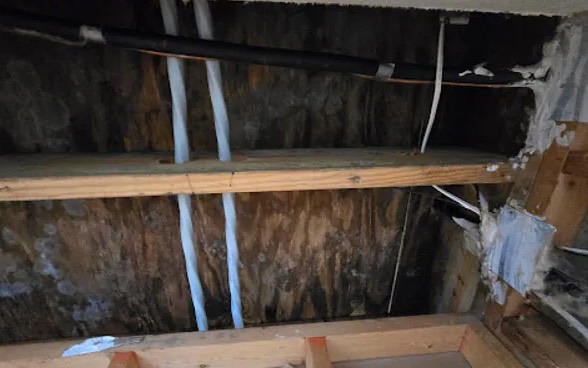
Get Help with Attic Water Damage Restoration in Lake Lowell Area
Wet attic insulation is heavy and holds water against the ceiling drywall. In Lake Lowell Area homes, that weight and moisture can make a ceiling sag and eventually fall if the insulation is not removed.
Available Attic Water Damage Restoration Work in Lake Lowell Area
Attic Moisture Inspection
Moisture meters and thermal cameras check decking, rafters, insulation and the ceiling below to find every wet area.
Attic Leak Water Cleanup
Water that collected on attic decking, joists and the top of the ceiling drywall is removed, and wet debris is cleared so the area can dry.
Roof Leak Water Removal
Rain that came through damaged shingles, flashing or vents is removed from the attic, and the leak location is marked for the roofer.
Attic Drying Services
Attic drying targets the wood framing and the ceiling below, with readings taken until both return to normal levels.
Emergency Attic Water Extraction
Emergency extraction in an attic removes standing water from decking and drywall tops, and buckets or containment catch active drips.
Indicators for Emergency Attic Water Removal
Dripping Sounds From Ceiling
Dripping or tapping sounds above the ceiling, especially during rain, mean water is getting in.
Musty Odors in Home
A musty or damp smell on the upper floor can point to wet insulation or wood in the attic.
Wet or Sagging Insulation
Insulation that looks matted, dark or compressed, or sags between joists, has absorbed water.
Crumbling Drywall Tape
Ceiling drywall tape that bubbles, cracks or peels usually means water is soaking the seams.
How Attic Water Damage Restoration Works in Lake Lowell Area
Step 1: Source Stop and Water Extraction
A tarp is placed over roof damage or the pipe is shut off, and water in the attic is removed.
Step 2: Removal of Damaged Materials
Ruined insulation and sagging ceiling drywall are removed to stop further damage and open the area to air.
Step 3: Attic Drying
Dehumidifiers and air movers run until wood framing and decking return to normal moisture levels.
Step 4: Cleaning and Odor Removal
Debris is cleared, dust is cleaned from the room below, and musty odors are addressed.
Why Attics Get Water Damage in Lake Lowell Area
Overflow From Bathroom Exhaust Fans
Bathroom fans that vent into the attic, or have disconnected ducts, release moisture onto the decking.
Condensation From Poor Ventilation
Warm, moist air from the house condenses on cold roof decking when the attic is poorly vented.
Storm Damage From Wind or Hail
Wind and hail can tear shingles or puncture the roof, letting rain in during the storm.
Clogged or Damaged Gutters
Clogged gutters overflow at the roof edge, pushing water under shingles and into the soffits.
Home and Business Attic Water Damage Restoration Services
Residential Attic Water Damage Restoration
In two-story homes, an attic leak can affect both upstairs ceilings and the walls below them. Each wet area is checked with a meter and dried.
Commercial Attic Water Damage Restoration
Flat-roof commercial buildings often have leaks that travel before dripping. The pros trace the water path to find every wet section above the ceiling.
Why DIY Attic Water Damage Restoration Often Fails in Lake Lowell Area
Fixing the roof stops new water but does not dry what is already wet. After any roof repair, have the attic checked for damp insulation and wood.
Attic Water Damage Restoration Cost in Lake Lowell Area, ID
An attic leak caught after the first storm costs less to fix in Lake Lowell Area than one that soaked insulation and decking for a whole season.
Type of Water Involved
Clean rainwater is simpler to handle than water from a drain or a contaminated source.
Affected Attic Materials
Wet insulation, decking and ceiling drywall that must be removed add labor and disposal costs.
Size and Accessibility
Low, tight attics take longer to work in than tall attics with easy access.
Does Insurance Cover Attic Water Damage Restoration?
Take photos of the ceiling, the attic and any storm damage on the roof before cleanup starts. Keep receipts for tarping and emergency drying.
Selecting Local Pros for Attic Water Damage Restoration in Lake Lowell Area, ID
Structural Drying Expertise
Drying equipment is placed for attic framing and decking, where moisture is hardest to remove.
Mold Prevention Focus
Fast drying of wood framing is the main way to limit microbial growth after a leak.
Ceiling Damage Mitigation
Sagging ceiling drywall is drained and removed safely before it can fall.
Emergency Attic Water Removal Available Now
Storm, night or holiday, local attic drying pros handle attic leaks in Lake Lowell Area. Call (208) 537-2633 to get the water out and drying started.
Call Now (208) 537-2633Local Attic Water Damage Restoration Coverage Area
Help with attic water damage restoration is available across Lake Lowell Area, including attic leak water cleanup and wet attic insulation removal.
- Attic Water Damage Restoration in Adrian
- Attic Water Damage Restoration in Amity
- Attic Water Damage Restoration in Annex
- Attic Water Damage Restoration in Avimor
- Attic Water Damage Restoration in Barber Valley
- Attic Water Damage Restoration in Big Bend
- Attic Water Damage Restoration in Black Cat
- Attic Water Damage Restoration in Boise Hills Village
Frequently Asked Attic Water Damage Restoration Questions
What is structural drying for an attic?
Drying the rafters, joists and roof decking with directed airflow and dehumidifiers until moisture readings return to normal.
What happens during attic leak water cleanup?
Pooled water is removed, wet insulation is bagged and taken out, and the framing and decking are dried with air movers and dehumidifiers.
Should I remove belongings from my attic after water damage?
Yes, if it is safe. Wet boxes and items should be moved out so they can dry and the attic can be worked on.
How quickly should I respond to an attic leak?
Right away. Water on the attic floor soaks into the ceiling drywall within hours and can make it sag or fall.
What are common signs of poor attic ventilation?
Damp or dark roof decking, rusted nails, musty smells and condensation on the underside of the roof.