Hidden Springs, ID · Ada County
Attic Water Extraction in Hidden Springs, IDAttic Drying Services & Wet Attic Insulation Removal
Get attic water extraction in Hidden Springs for attic moisture inspection, wet attic insulation removal and attic mold prevention after a leak.
Answered 24/7
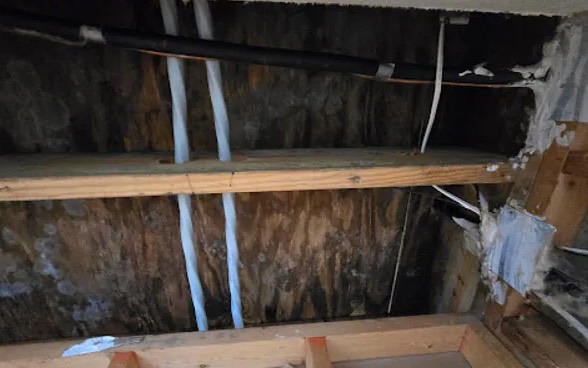
Attic Water Extraction Response in Hidden Springs
A slow attic leak in Hidden Springs can run for months without anyone noticing, rotting decking and staining rafters. A fast one can drop a ceiling in a day. Both need water removed and wood dried.
Homeowners in Hidden Springs can call (208) 537-2633 day or night when water is coming through the ceiling. Service also covers Avimor, Collister and Eagle, with the same extraction and drying steps.
Key Attic Water Extraction Steps in Hidden Springs, ID
Attic Drying Services
Air movers and dehumidifiers are set on boards across the joists to dry rafters, decking and the ceiling below safely.
Wet Attic Insulation Removal
Blown-in insulation that got wet is vacuumed out of the affected bays, and fiberglass batts are pulled and bagged.
Attic Moisture Inspection
Readings taken at each visit show drying progress and give you a record for your insurer.
Attic Mold Prevention
Once wood is dry, roof decking and rafters that stayed wet can be treated with an antimicrobial to slow microbial growth.
Emergency Attic Water Extraction
Help is available any hour, because water sitting on top of a ceiling can bring the drywall down within a day.
When to Call for Attic Water Extraction in Hidden Springs
Peeling Paint or Wallpaper
Paint that bubbles or peels on upstairs ceilings often has water behind it.
Musty Odors From Attic
A musty smell from the attic hatch or upstairs rooms often points to wet insulation or wood.
Condensation on Attic Surfaces
Droplets or damp patches on the underside of the roof decking point to a moisture and ventilation problem.
Damp Attic Insulation
Insulation that feels damp, looks matted or has dark patches has been soaking up water.
How Attic Water Extraction Works in Hidden Springs
Step 1: Attic Leak Source Identification
The pros trace the water to the roof, a pipe or the AC pan and stop it with a tarp or shut-off.
Step 2: Flooded Attic Cleanup
Water, wet debris and fallen insulation are removed, and stored items are moved out of the attic.
Step 3: Structural Drying Setup
Equipment is placed to dry the framing and decking, with the room below checked and dried too.
Step 4: Attic Mold Prevention Treatment
Once dry, wood that stayed wet for days can be cleaned and treated with an antimicrobial.
Why Attics Need Water Extraction in Hidden Springs
Skylight or Chimney Flashing Failure
Worn flashing around skylights and chimneys lets rain run down into the attic.
Aging or Deteriorated Roofing Materials
Old, curled or cracked shingles and worn underlayment let water through during heavy rain.
Gutter and Downspout Blockages
Clogged gutters and downspouts let water back up under the roof edge.
Bathroom Exhaust Fan Vent Leaks
Bathroom fans vented into the attic, or with loose ducts, release moisture onto the wood.
Both Residential and Commercial Attic Water Extraction in Hidden Springs, ID
Residential Attic Water Extraction
In townhomes and condos, attic leaks can cross into a neighbor's space. Clear photos and readings help sort out repairs with the association.
Commercial Attic Water Extraction
Property managers get records for each affected unit or suite, which helps with roof repair planning and insurance claims.
Why DIY Attic Water Extraction Often Fails in Hidden Springs
If it is safe, you can look into the attic with a flashlight to find the wet area. Removing water and insulation from between joists takes boards, protective gear and drying equipment.
What Influences Attic Water Extraction Cost in Hidden Springs
The cost of attic water extraction in Hidden Springs depends on how much water reached the attic, how much insulation is soaked and how long the framing takes to dry.
Size of the Affected Area
A leak that spread across the whole attic costs more than one confined to a single bay.
Access and Complexity
Low headroom, tight access hatches and narrow joists make the work slower.
Type of Water Involved
Clean rainwater is simpler to remove than water from a drain line or a dirty source.
Does Insurance Cover Attic Water Extraction?
Damage to the ceiling and rooms below an attic leak is usually part of the same claim. Show the adjuster both spaces.
Benefits of Local Pros for Attic Water Extraction in Hidden Springs, ID
Ceiling Damage Mitigation
Sagging ceilings are drained and removed safely before they can fall into the room.
Mold Prevention Focus
Fast drying of attic wood is the main way to limit microbial growth after a leak.
Advanced Moisture Detection
Moisture meters and thermal cameras find wet insulation and wood that look dry.
Urgent Attic Water Extraction Available in Hidden Springs
Ceiling bulging with water? Keep people out of the room below it and call (208) 537-2633 now for attic water extraction in Hidden Springs.
Call Now (208) 537-2633Attic Water Extraction Coverage in Hidden Springs, Avimor, Collister and Eagle
Help with attic water extraction is also available in communities near Hidden Springs, including Avimor, Collister and Eagle, for roof leaks and attic equipment failures.
Your Attic Water Extraction Questions in Hidden Springs, ID
What are signs of hidden attic water damage?
Ceiling stains, a musty smell upstairs, matted insulation, dark spots on decking and rusted nails.
How quickly should I deal with water in my attic?
Right away. Water sitting on ceiling drywall can make it sag or fall within a day, and wet wood starts to break down.
What causes attic water damage?
Roof leaks, attic plumbing failures, overflowing AC drain pans, poor ventilation and bath fans venting into the attic.
What is involved in professional attic water extraction?
Catching drips, vacuuming pooled water from decking and drywall tops, removing soaked insulation and drying the framing and ceiling below.
Why is a moisture inspection important after extraction?
Extraction removes pooled water, but wood and drywall stay wet inside. Meters show what still needs drying.