Eagle, ID · Ada County
Attic Water Removal in Eagle, IDWet Attic Insulation Removal & Roof Leak Water Removal
Attic Water Removal in Eagle runs from roof leak water removal and wet attic insulation removal to ceiling water damage cleanup.
Answered 24/7
Attic Water Removal Services for Eagle Homes
Getting water out of an attic is slow, careful work. Joists are narrow, the space is cramped and the ceiling below cannot take any weight. In Eagle, the pros bring boards, lights and gear sized for attic work.
A heavy storm in Eagle can push water into an attic overnight. Local attic water removal pros serve Eagle and nearby McMillan, Ustick and Hidden Springs, with help available around the clock.
Comprehensive Attic Water Removal Offerings
Wet Attic Insulation Removal
Insulation that got soaked is removed from the wet bays and bagged. Leaving it in place keeps the ceiling drywall damp for weeks.
Roof Leak Water Removal
The entry point is photographed and marked, which helps both the roofer and your insurance adjuster.
Emergency Attic Water Extraction
When a storm or a burst pipe floods the attic, help is available any hour to remove the water before the ceiling below fails.
Attic Leak Water Cleanup
Cleanup focuses on the low spots where water collects: the bays between joists, the area around the hatch and the space under an air handler.
Attic Moisture Inspection
Readings are recorded at the start and at each visit, giving a clear drying history for your records and insurer.
Indicators of Attic Water Damage in Eagle
Condensation on Attic Windows or Nails
Damp nail tips or water droplets on attic surfaces point to moisture or ventilation problems.
Sagging or Bubbling Ceiling Drywall
Ceiling drywall that sags, bulges or bubbles at the seams is holding water and may fall.
Visible Mold in Attic Spaces
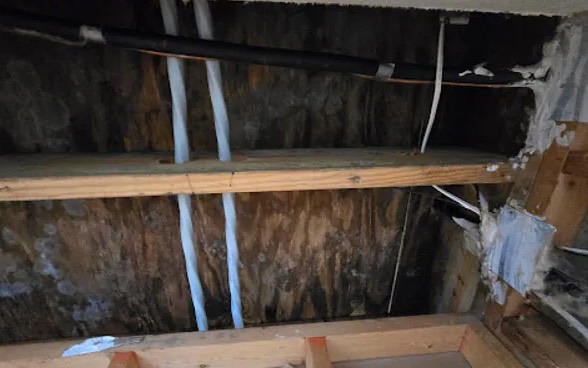
Dark spots on rafters or roof decking mean the wood has stayed damp for days or longer.
Rotting Wood on Attic Beams
Soft, dark or crumbling wood on rafters and beams points to long-term moisture.
How Attic Water Removal Works in Eagle
Step 1: Initial Attic Water Damage Assessment
The pros check safety, find the source and map the wet area with moisture meters.
Step 2: Bulk Water and Material Removal
Pooled water, soaked insulation and any sagging drywall are removed from the attic and ceiling.
Step 3: Attic Drying and Evaporation
Warm, dry airflow is aimed at wet wood, with dehumidifiers removing the moisture it releases.
Step 4: Attic Mold Prevention
Once dry, decking and framing that stayed wet can be cleaned and treated with an antimicrobial.
Typical Sources of Attic Water Damage
Roof Leaks From Damaged Shingles
Cracked, missing or lifted shingles let rain reach the decking and drip into the attic.
Appliance Malfunctions Like Water Heater Leaks
Water heaters located in the attic can leak or fail, flooding the attic floor.
Clogged or Disconnected Gutters
Clogged or loose gutters let water back up under the roof edge and into the soffits.
Condensation From Poor Attic Ventilation
Moist air from the house condenses on roof decking when attic ventilation is poor.
Attic Water Removal for All Property Types in Eagle
Residential Attic Water Removal
In houses, attic water usually reaches a bedroom or hallway ceiling. Water and wet insulation are removed from above, and the ceiling below is dried or replaced.
Commercial Attic Water Removal
In commercial buildings, water above a drop ceiling soaks tiles and insulation over several rooms. Wet tiles are removed and the plenum space above is dried.
Choosing Between DIY and the Pros for Attic Water Removal
A roof repair stops new water from getting in, but the wet insulation and decking stay wet. After the repair, have the attic checked for remaining moisture.
Understanding Attic Water Removal Pricing
Roof or plumbing repair is billed separately from water removal and drying. In Eagle, both are needed after most attic leaks.
Emergency Service Timing
Storm, night and holiday calls can cost more than a scheduled visit.
Drying Time Required
Dense wood framing can take several days to dry, which adds equipment time.
Type of Insulation Affected
Blown-in insulation takes more time to remove than batts, and both add disposal costs.
Does Insurance Cover Attic Water Removal?
Photos, moisture readings and drying logs from local attic water removal pros help support an insurance claim for attic water damage in Eagle.
The Value of Local Attic Water Removal Experts
Structural Drying Focus
Rafters, decking and the ceiling are dried, not just the spot under the drip.
Controlled Demolition Practices
Only wet insulation and drywall are removed, which keeps the repair as small as possible.
Advanced Moisture Detection
Moisture meters and thermal cameras find wet wood and insulation that look dry.
24/7 Emergency Attic Water Removal in Eagle
Night, weekend or holiday, the pros handle attic water in Eagle. Call (208) 537-2633 to get the water out and the ceiling protected.
Call Now (208) 537-2633Communities Served for Attic Water Removal
Need attic water removal outside Eagle? Service also covers McMillan, Ustick and Hidden Springs, including emergency help after storms.
- Attic Water Removal in McMillan
- Attic Water Removal in Ustick
- Attic Water Removal in Hidden Springs
- Attic Water Removal in West Bench
- Attic Water Removal in Collister
- Attic Water Removal in Garden City
- Attic Water Removal in Meridian
- Attic Water Removal in Star
- Emergency Damage Restoration in 83616
- Storm Damage Restoration in 83616
- Water Damage Restoration in 83616
- Water Extraction Service in 83616
- Water Leak Detection in 83616
- Water Removal Service in 83616
Your Attic Water Removal FAQs Resolved
Is attic flood cleanup different from a small leak?
The steps are the same, but a flooded attic needs more extraction, more insulation removal and usually ceiling replacement.
What should I do while waiting for attic leak water cleanup?
Catch drips, move belongings, stay out from under sagging ceilings and turn off power to wet light fixtures.
Can wet attic insulation be saved?
Lightly damp areas sometimes dry, but soaked or matted insulation is usually removed and replaced after the attic dries.
What is involved in attic water removal?
Stopping the source, removing pooled water, bagging wet insulation, drying the framing and decking, and checking the ceiling below.
What causes attic water damage?
Roof leaks, plumbing failures, attic AC overflows, water heater leaks, loose bath fan ducts and poor ventilation.