Bowmont, ID · Canyon County
Basement Water Damage Restoration in Bowmont, IDBasement Floor Water Removal & Basement Water Extraction
Homeowners in Bowmont get Basement Water Damage Restoration for emergency basement flood cleanup, basement wall drying and basement mold prevention.
Answered 24/7
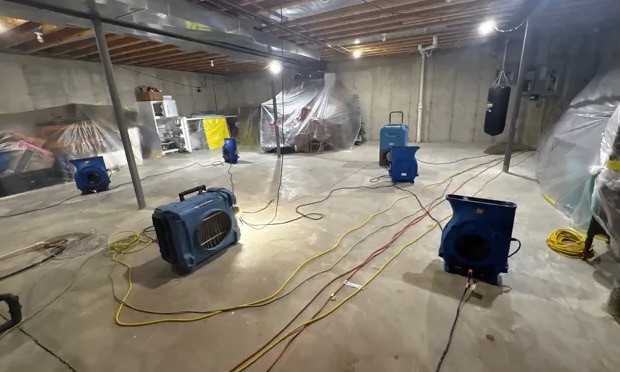
Basement Water Damage Restoration for Bowmont Homes
A damp, musty basement in Bowmont often means water damage that was never fully dried. Old leaks can leave moisture in walls and under flooring long after the water is gone.
In Bowmont, basement flooding often follows heavy rain or a blocked sewer line. Local water removal pros serve Bowmont, Melba, Kuna and Victory, pumping out water and drying finished and unfinished basements.
Basement Water Damage Restoration Solutions Available in Bowmont
Basement Floor Water Removal
A slab can look dry on top while still holding water. Moisture readings show when it is ready for new flooring.
Basement Water Extraction
Extraction starts at the lowest point, often near the floor drain or sump, and works outward until no pooled water remains.
Basement Dehumidification
Dehumidification continues until humidity and material readings are normal. Turning it off too early lets moisture return.
Basement Sewer Backup Cleanup
After a sewer backup, cleanup and disinfection come before drying, so contaminated surfaces are not left in place.
Emergency Basement Flood Cleanup
A flooded basement can damage furnaces, water heaters and stored items quickly. Fast pumping limits how much is lost.
Warning Signs You Need Basement Water Damage Restoration
Rusted Appliances or Pipes
Rust on the water heater, furnace base or pipes points to repeated moisture or past flooding.
Standing Water in the Basement
Any standing water on the basement floor needs pumping right away, before it soaks walls and framing.
Sewage Odors or Backups
Sewage smells or water coming up through a floor drain mean the sewer line is backing up.
Mold on Surfaces
Dark spots on drywall, framing or stored boxes mean the area has stayed wet for days.
How Basement Water Damage Restoration Works in Bowmont
Step 1: Source Control and Extraction
The pipe is shut off, the sump restarted or the backup stopped, then the water is pumped out.
Step 2: Structural Drying Setup
Lower drywall is removed where soaked, and equipment is placed to dry wall cavities and the slab.
Step 3: Contaminant Removal
Materials touched by sewage or dirty water are removed and hard surfaces are cleaned and disinfected.
Step 4: Monitoring and Completion
Daily readings track drying until every material is normal, then equipment is removed.
Why Basement Water Damage Occurs in Bowmont
Sump Pump Mechanical Failure
A sump pump that fails, loses power or is too small lets groundwater rise into the basement.
Sewer Line Backups
A blocked or overloaded sewer line pushes wastewater up through basement drains and toilets.
Foundation Cracks and Leaks
Cracks in foundation walls let groundwater and melting snow seep into the basement.
Water Heater or Appliance Leaks
Water heaters, washers and utility sinks in the basement can leak or fail without warning.
Residential and Commercial Basement Water Damage Restoration in Bowmont
Residential Basement Water Damage Restoration
A sewer backup in a home basement needs contaminated carpet, pad and drywall removed and every hard surface disinfected before drying.
Commercial Basement Water Damage Restoration
In restaurants and stores with basements, sewage backups need fast containment so contamination does not reach food or customer areas.
DIY vs. Professional Basement Water Damage Restoration in Bowmont
Fans alone can push damp air into the rest of the house. Basement drying needs dehumidifiers to pull the moisture out of the air and the concrete.
Understanding Basement Water Damage Restoration Pricing in Bowmont
A basement pumped and dried right away in Bowmont usually costs less than one left wet for days, when more drywall and flooring are lost.
Dehumidification Needs
Large dehumidifiers may need to run longer in below-grade spaces than in upper floors.
Water Category
Clean water costs less to handle than sewage, which needs protective gear, removal and disinfection.
Affected Square Footage
Larger basements need more extraction, more drying equipment and more days of drying time.
Does Insurance Cover Basement Water Damage Restoration?
Photos, moisture readings and drying logs from local water removal pros help support an insurance claim for basement water damage in Bowmont.
Why Choose Local Pros for Basement Water Damage Restoration in Bowmont
Structural Integrity Assessment
Walls, stairs and framing are checked for damage before work begins in the basement.
Mold Prevention Focus
Fast drying is the main way to limit microbial growth in a below-grade space.
Water Type Handling
Clean water, gray water and sewage are each handled with the right protection and removal steps.
24/7 Emergency Basement Water Damage Restoration for Bowmont
A flooded basement damages walls, furnaces, water heaters and belongings quickly. Call (208) 537-2633 for basement water damage restoration in Bowmont at any hour.
Call Now (208) 537-2633Local Basement Water Damage Restoration Coverage: Bowmont and Beyond
Each place listed below has its own page with local details.
- Basement Water Damage Restoration in Melba
- Basement Water Damage Restoration in Kuna
- Basement Water Damage Restoration in Victory
- Basement Water Damage Restoration in Amity
- Basement Water Damage Restoration in Nampa
- Basement Water Damage Restoration in Avimor
- Basement Water Damage Restoration in Middleton
- Basement Water Damage Restoration in Harris Ranch
Basement Water Damage Restoration Common Questions Answered
Is basement floor water removal different from carpet extraction?
Yes. Bare concrete is squeegeed and dried, while carpet and pad need extraction, and the pad is usually replaced.
What is the priority during emergency basement flood cleanup?
Safety first, especially electrical hazards, then stopping the source and pumping out the water as quickly as possible.
How is basement sewer backup cleanup different from regular flooding?
Sewage carries bacteria, so it needs protective gear, removal of porous materials and disinfection before drying.
Why is fast response important for below-grade flood restoration?
Basements dry slowly, so every hour of standing water adds days of drying and more material to replace.
Does basement mold prevention need special steps after flooding?
Fast drying is the main step. Wood and concrete that stayed wet can be treated with an antimicrobial once dry.