Harris Ranch, ID · Ada County
Basement Water Damage Restoration in Harris Ranch, IDBasement Drying Services & Basement Sewer Backup Cleanup
Basement Water Damage Restoration in Harris Ranch runs from basement water extraction and basement floor water removal to basement dehumidification.
Answered 24/7
Local Basement Water Damage Restoration Near Harris Ranch
Water in a basement does not stay on the floor. It wicks up drywall, soaks insulation and seeps into wood framing. In Harris Ranch, a few inches of water can damage walls up to two feet high.
One burst pipe or heavy storm in Harris Ranch can flood a basement. Local water removal pros serve Harris Ranch and nearby Southeast Boise, Hillcrest and North End Boise, with help available around the clock.
Basement Water Damage Restoration Solutions Available in Harris Ranch
Basement Drying Services
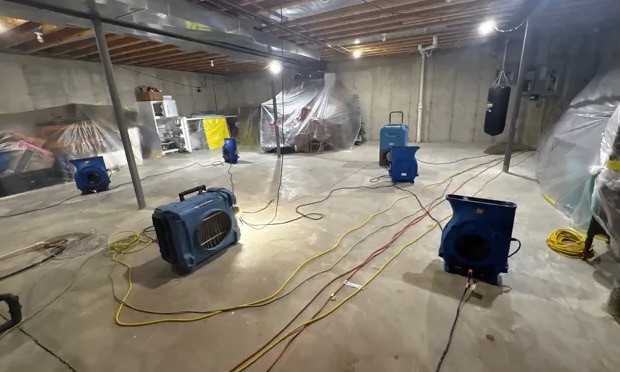
Air movers and dehumidifiers are placed to dry walls, framing and the slab. Below-grade rooms dry slowly, so readings are taken daily.
Basement Sewer Backup Cleanup
Sewage that backs up through a floor drain or toilet is extracted with protective gear, and the area is contained from the rest of the house.
Basement Dehumidification
A basement with no moisture problem before the flood may still need a dehumidifier afterward while the concrete dries.
Basement Mold Prevention
After drying, an antimicrobial can be applied to framing and concrete that were wet, to slow mold on surfaces that stay in place.
Basement Wall Drying
Finished basement walls hide wet insulation and framing. Removing the bottom of the drywall lets air reach the cavity.
Warning Signs You Need Basement Water Damage Restoration
Warped or Buckling Basement Floors
Laminate, wood or vinyl flooring that buckles or lifts in the basement has water underneath.
Condensation on Windows or Pipes
Water beading on cold pipes or basement windows shows high humidity that keeps materials damp.
Sewage Odors or Backups
Sewage smells or water coming up through a floor drain mean the sewer line is backing up.
Standing Water in the Basement
Any standing water on the basement floor needs pumping right away, before it soaks walls and framing.
How Basement Water Damage Restoration Works in Harris Ranch
Step 1: Initial Assessment and Water Removal
The source and type of water are identified, and standing water is removed right away.
Step 2: Focused Drying of Materials
Walls, framing and the slab are dried with directed airflow, with wet insulation removed.
Step 3: Air Quality Management
Air scrubbers filter dust and odors from removal work while drying continues.
Step 4: Documentation for Restoration
Photos, readings and a list of removed materials are prepared for insurance and rebuilding.
Typical Sources of Basement Water Damage in Harris Ranch
Water Heater or Appliance Leaks
Water heaters, washers and utility sinks in the basement can leak or fail without warning.
Sewer Line Backups
A blocked or overloaded sewer line pushes wastewater up through basement drains and toilets.
Plumbing Pipe Bursts or Leaks
Supply lines and drain pipes in basement ceilings can crack or burst onto the floor below.
Failed or Clogged Drain Tile
Clogged or collapsed drain tile around the foundation lets water build up against the walls.
Basement Water Damage Restoration for All Properties in Harris Ranch
Residential Basement Water Damage Restoration
In homes, a flooded basement often means damaged carpet, drywall, a furnace or water heater and stored belongings. Water is pumped out, contents are moved and the space is dried.
Commercial Basement Water Damage Restoration
In commercial buildings, basements hold mechanical rooms, storage and sometimes offices. Water is removed and equipment areas are dried so systems can be checked and restarted.
Basement Water Damage Restoration: Professional Help vs. Doing It Yourself in Harris Ranch
Fans alone can push damp air into the rest of the house. Basement drying needs dehumidifiers to pull the moisture out of the air and the concrete.
Understanding Basement Water Damage Restoration Pricing in Harris Ranch
The cost of basement water damage restoration in Harris Ranch depends on how much water there is, whether it is clean or sewage and how much finished material must be removed.
Secondary Damage
Damage to furnaces, water heaters and belongings adds repair and replacement costs.
Water Category
Clean water costs less to handle than sewage, which needs protective gear, removal and disinfection.
Affected Square Footage
Larger basements need more extraction, more drying equipment and more days of drying time.
Does Insurance Cover Basement Water Damage Restoration?
Coverage for groundwater seepage and backups varies widely between policies. Ask your adjuster whether your policy includes it before work begins.
The Value of Local Pros for Basement Water Damage Restoration in Harris Ranch
Containment Strategies
Plastic sheeting keeps contaminated areas separate from clean parts of the house.
Mold Prevention Focus
Fast drying is the main way to limit microbial growth in a below-grade space.
Water Extraction First
Water is removed from floors, carpet and pad before drying starts, which shortens drying time.
24/7 Emergency Basement Water Damage Restoration for Harris Ranch
Sewage coming up through a floor drain? Stop using water in the house and call (208) 537-2633 now for basement water damage restoration in Harris Ranch.
Call Now (208) 537-2633Basement Water Damage Restoration Available Throughout Ada County
Each place listed below has its own page with local details.
- Basement Water Damage Restoration in Southeast Boise
- Basement Water Damage Restoration in Hillcrest
- Basement Water Damage Restoration in Boise
- Basement Water Damage Restoration in North End Boise
- Basement Water Damage Restoration in Morris Hill
- Basement Water Damage Restoration in Pleasant Valley
- Basement Water Damage Restoration in Avimor
- Basement Water Damage Restoration in Bowmont
Basement Water Damage Restoration FAQs
How is basement sewer backup cleanup different from regular flooding?
Sewage carries bacteria, so it needs protective gear, removal of porous materials and disinfection before drying.
Is basement floor water removal different from carpet extraction?
Yes. Bare concrete is squeegeed and dried, while carpet and pad need extraction, and the pad is usually replaced.
What is involved in basement water damage restoration?
Pumping out water, removing soaked materials, cleaning contaminated areas, drying walls, framing and concrete, and dehumidifying until readings are normal.
What does below-grade moisture removal include beyond pumping?
Extracting carpet and pad, opening wet walls, running air movers and dehumidifiers, and checking readings until dry.
What are signs of hidden moisture after below-grade water extraction?
Musty smells, tide lines on walls, damp carpet edges and moisture readings that stay high in walls or the slab.