Grand View, ID · Owyhee County
Basement Water Damage Restoration in Grand View, IDBasement Mold Prevention & Basement Dehumidification
Basement Water Damage Restoration in Grand View runs from basement water extraction and basement floor water removal to basement dehumidification.
Answered 24/7
Basement Water Damage Restoration for Grand View Homes
Sewage backups are one of the most common basement problems in Grand View. Water coming up through a floor drain or basement toilet carries bacteria and needs a different cleanup than clean water.
One burst pipe or heavy storm in Grand View can flood a basement. Local water damage pros serve Grand View and nearby Vista, Mountain Home and Owyhee, with help available around the clock.
Professional Basement Water Damage Restoration Offered in Grand View
Basement Mold Prevention
After drying, an antimicrobial can be applied to framing and concrete that were wet, to slow mold on surfaces that stay in place.
Basement Dehumidification
A basement with no moisture problem before the flood may still need a dehumidifier afterward while the concrete dries.
Basement Floor Water Removal
Wet carpet pad is removed from basement floors, since it holds water against the concrete and dries poorly.
Emergency Basement Flood Cleanup
A flooded basement can damage furnaces, water heaters and stored items quickly. Fast pumping limits how much is lost.
Basement Drying Services
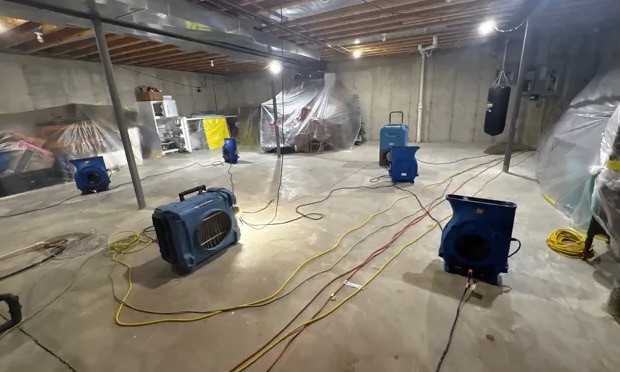
Air movers and dehumidifiers are placed to dry walls, framing and the slab. Below-grade rooms dry slowly, so readings are taken daily.
Indicators for Basement Water Damage Restoration in Grand View
Condensation on Windows or Pipes
Water beading on cold pipes or basement windows shows high humidity that keeps materials damp.
Wet or Stained Basement Walls
Dark, wet patches or tide lines on basement walls show where water seeped in or wicked up.
Efflorescence on Concrete Walls
White, chalky deposits on concrete walls mean water is moving through the concrete and leaving minerals behind.
Sewage Odors or Backups
Sewage smells or water coming up through a floor drain mean the sewer line is backing up.
How Basement Water Damage Restoration Works in Grand View
Step 1: Floodwater Pump-Out
Submersible pumps remove deep water, and electrical hazards are checked before anyone walks in it.
Step 2: Deep Moisture Extraction
Extractors pull water from carpet, pad and the concrete floor after the deep water is gone.
Step 3: Air Circulation and Drying
Air movers keep dry air moving across walls and floors throughout the basement.
Step 4: Dehumidification and Verification
Dehumidifiers run until humidity and material readings confirm the basement is dry.
What Causes Basement Water Damage Restoration in Grand View
Foundation Cracks and Leaks
Cracks in foundation walls let groundwater and melting snow seep into the basement.
Overland Flooding From Storms
Heavy storms and snowmelt can send surface water into basements through doors and walls.
Sewer Line Backups
A blocked or overloaded sewer line pushes wastewater up through basement drains and toilets.
Sump Pump Mechanical Failure
A sump pump that fails, loses power or is too small lets groundwater rise into the basement.
Basement Water Damage Restoration for Homes and Businesses in Grand View
Residential Basement Water Damage Restoration
A sewer backup in a home basement needs contaminated carpet, pad and drywall removed and every hard surface disinfected before drying.
Commercial Basement Water Damage Restoration
In restaurants and stores with basements, sewage backups need fast containment so contamination does not reach food or customer areas.
Professional Basement Water Damage Restoration or DIY in Grand View?
If a small leak left a puddle on bare concrete, a wet vac and a dehumidifier may be enough. Call local water damage pros if water reached drywall, carpet or framing, or if it came from a sewer drain.
Cost Considerations for Basement Water Damage Restoration in Grand View
A basement pumped and dried right away in Grand View usually costs less than one left wet for days, when more drywall and flooring are lost.
Material Saturation
Finished basements with carpet, drywall and insulation take more removal work than bare concrete.
Emergency Service
Night, weekend and storm calls can cost more than a scheduled visit.
Dehumidification Needs
Large dehumidifiers may need to run longer in below-grade spaces than in upper floors.
Does Insurance Cover Basement Water Damage Restoration?
Flood damage from rising outside water usually needs flood insurance. Water from inside the home, like a broken pipe, is more often covered.
Reasons to Hire Local Pros for Basement Water Damage Restoration in Grand View
Water Type Handling
Clean water, gray water and sewage are each handled with the right protection and removal steps.
Industry Drying Standards
Drying follows industry water damage standards, with readings taken at every visit.
Structural Integrity Assessment
Walls, stairs and framing are checked for damage before work begins in the basement.
Emergency Basement Water Damage Restoration Available in Grand View
A flooded basement damages walls, furnaces, water heaters and belongings quickly. Call (208) 537-2633 for basement water damage restoration in Grand View at any hour.
Call Now (208) 537-2633Local Basement Water Damage Restoration Coverage: Grand View and Beyond
Other places served are listed below, each with its own page.
- Basement Water Damage Restoration in Vista
- Basement Water Damage Restoration in Mountain Home
- Basement Water Damage Restoration in Owyhee
- Basement Water Damage Restoration in Bruneau
- Basement Water Damage Restoration in Hammett
- Basement Water Damage Restoration in Pleasant Valley
- Basement Water Damage Restoration in Melba
- Basement Water Damage Restoration in Kuna
- Emergency Damage Restoration in 83624
- Storm Damage Restoration in 83624
- Water Damage Restoration in 83624
- Water Extraction Service in 83624
- Water Leak Detection in 83624
- Water Removal Service in 83624
Basement Water Damage Restoration FAQs
Why is dehumidification so important after basement water removal?
Basements hold moisture in the air and concrete. Without dehumidifiers, walls and framing stay damp long after the water is gone.
How long does below-grade drying take after a flood?
Often several days or longer, since concrete and cool basement air dry slowly. Daily readings show progress.
Should I try below-grade waterproofing myself after flooding?
Sealing a small crack can be a DIY job, but drying must come first, and larger waterproofing work should go to a contractor.
How is basement sewer backup cleanup different from regular flooding?
Sewage carries bacteria, so it needs protective gear, removal of porous materials and disinfection before drying.
What causes the most common below-grade leaks in homes?
Sump pump failures, foundation cracks, clogged drain tile, sewer backups and burst pipes in the basement ceiling.