Pleasant Valley, ID · Ada County
Basement Water Damage Restoration in Pleasant Valley, IDBasement Water Extraction & Basement Drying Services
Get basement water damage restoration in Pleasant Valley for basement floor water removal, basement mold prevention and basement drying services.
Answered 24/7
Professional Basement Water Damage Restoration in Pleasant Valley, ID
Basement Water Damage Restoration in Pleasant Valley covers finished and unfinished basements. A bare concrete basement can often be pumped and dried. A finished one usually needs carpet, pad and lower drywall removed so the walls and slab can dry.
One burst pipe or heavy storm in Pleasant Valley can flood a basement. Local water damage pros serve Pleasant Valley and nearby Owyhee, Hillcrest and Kuna, with help available around the clock.
Basement Water Damage Restoration Services in Pleasant Valley
Basement Water Extraction
Extraction starts at the lowest point, often near the floor drain or sump, and works outward until no pooled water remains.
Basement Drying Services
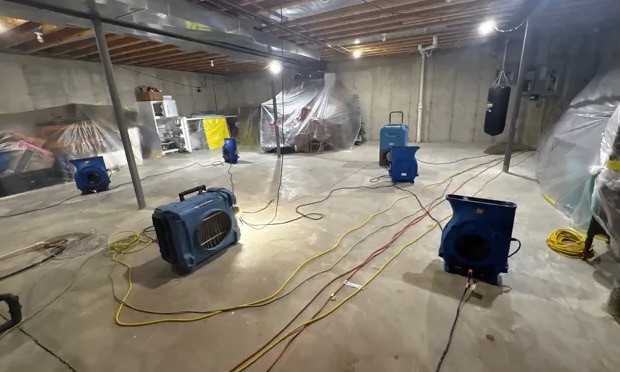
Air movers and dehumidifiers are placed to dry walls, framing and the slab. Below-grade rooms dry slowly, so readings are taken daily.
Basement Dehumidification
Large dehumidifiers pull moisture from the basement air so walls, framing and the slab can release their water.
Basement Floor Water Removal
Water on a concrete floor is squeegeed and extracted, and floor coverings such as carpet, vinyl or laminate are lifted to dry the slab.
Basement Sewer Backup Cleanup
After a sewer backup, cleanup and disinfection come before drying, so contaminated surfaces are not left in place.
Warning Signs You Need Basement Water Damage Restoration
Sump Pump Failure or Overflow
A sump pump that runs constantly, fails to start or lets the pit overflow puts the basement at risk.
Condensation on Windows or Pipes
Water beading on cold pipes or basement windows shows high humidity that keeps materials damp.
Warped or Buckling Basement Floors
Laminate, wood or vinyl flooring that buckles or lifts in the basement has water underneath.
Peeling Paint or Wallpaper
Paint that peels or blisters on basement walls often has moisture behind it.
How Basement Water Damage Restoration Works in Pleasant Valley
Step 1: Source Control and Extraction
The pipe is shut off, the sump restarted or the backup stopped, then the water is pumped out.
Step 2: Structural Drying Setup
Lower drywall is removed where soaked, and equipment is placed to dry wall cavities and the slab.
Step 3: Contaminant Removal
Materials touched by sewage or dirty water are removed and hard surfaces are cleaned and disinfected.
Step 4: Monitoring and Completion
Daily readings track drying until every material is normal, then equipment is removed.
Frequent Sources of Water Damage in Pleasant Valley
Sewer Line Backups
A blocked or overloaded sewer line pushes wastewater up through basement drains and toilets.
Faulty Basement Waterproofing
Old or failed waterproofing on foundation walls lets water through during wet weather.
Sump Pump Mechanical Failure
A sump pump that fails, loses power or is too small lets groundwater rise into the basement.
Water Heater or Appliance Leaks
Water heaters, washers and utility sinks in the basement can leak or fail without warning.
Basement Water Damage Restoration for Homes and Businesses in Pleasant Valley
Residential Basement Water Damage Restoration
A sewer backup in a home basement needs contaminated carpet, pad and drywall removed and every hard surface disinfected before drying.
Commercial Basement Water Damage Restoration
In restaurants and stores with basements, sewage backups need fast containment so contamination does not reach food or customer areas.
Basement Water Damage Restoration vs. DIY: When to Call the Pros
Fans alone can push damp air into the rest of the house. Basement drying needs dehumidifiers to pull the moisture out of the air and the concrete.
Factors Affecting Basement Water Damage Restoration Cost in Pleasant Valley
In Pleasant Valley, basement jobs often run longer than upper-floor jobs because concrete dries slowly. Equipment days make up much of the bill.
Access Complexity
Narrow stairs, low ceilings and stored contents can make the work slower.
Dehumidification Needs
Large dehumidifiers may need to run longer in below-grade spaces than in upper floors.
Material Saturation
Finished basements with carpet, drywall and insulation take more removal work than bare concrete.
Does Insurance Cover Basement Water Damage Restoration?
Flood damage from rising outside water usually needs flood insurance. Water from inside the home, like a broken pipe, is more often covered.
Advantages of Hiring Local Pros in Pleasant Valley for Basement Water Damage Restoration
Industrial-Grade Equipment
Pumps, extractors and large dehumidifiers remove water much faster than household wet vacs and fans.
Detailed Documentation
Photos, readings and drying logs are kept to support your insurance claim.
Containment Strategies
Plastic sheeting keeps contaminated areas separate from clean parts of the house.
Pleasant Valley Emergency Basement Water Damage Restoration Response
Sewage coming up through a floor drain? Stop using water in the house and call (208) 537-2633 now for basement water damage restoration in Pleasant Valley.
Call Now (208) 537-2633Local Basement Water Damage Restoration Coverage: Pleasant Valley and Beyond
Help with basement water damage restoration reaches Owyhee, Hillcrest and Kuna, plus other communities around Pleasant Valley, for finished and unfinished basements alike.
- Basement Water Damage Restoration in Owyhee
- Basement Water Damage Restoration in Hillcrest
- Basement Water Damage Restoration in Kuna
- Basement Water Damage Restoration in Southeast Boise
- Basement Water Damage Restoration in Central Bench
- Basement Water Damage Restoration in Boise
- Basement Water Damage Restoration in Morris Hill
- Basement Water Damage Restoration in Maple Grove
FAQ for Basement Water Damage Restoration in Pleasant Valley
What are signs of hidden moisture after below-grade water extraction?
Musty smells, tide lines on walls, damp carpet edges and moisture readings that stay high in walls or the slab.
What equipment is used for below-grade water damage repair?
Submersible pumps, extractors, air movers, large dehumidifiers, moisture meters and air scrubbers for dust and odor.
What does below-grade moisture removal include beyond pumping?
Extracting carpet and pad, opening wet walls, running air movers and dehumidifiers, and checking readings until dry.
Does basement mold prevention need special steps after flooding?
Fast drying is the main step. Wood and concrete that stayed wet can be treated with an antimicrobial once dry.
How is basement sewer backup cleanup different from regular flooding?
Sewage carries bacteria, so it needs protective gear, removal of porous materials and disinfection before drying.