Kuna Cave Area, ID
Basement Water Damage Restoration in Kuna Cave Area, IDBasement Dehumidification & Basement Water Extraction
Basement Water Damage Restoration in Kuna Cave Area includes emergency basement flood cleanup, basement sewer backup cleanup and basement wall drying.
Answered 24/7
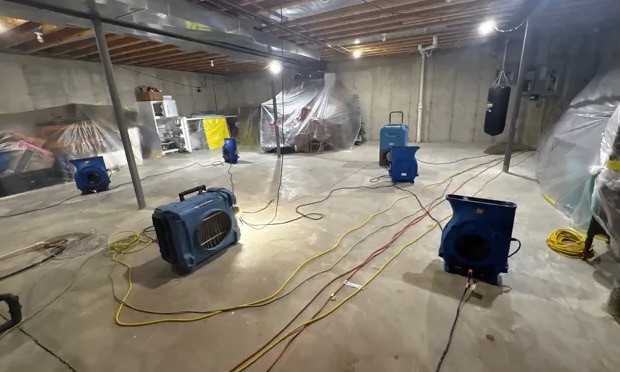
Local Basement Water Damage Restoration Near Kuna Cave Area
Basements collect water from every direction: rain seeping through walls, groundwater pushing up through the slab, sewage backing up through floor drains and pipes bursting overhead. In Kuna Cave Area, any of these can leave inches of water on the floor.
Basement Water Damage Restoration Services in Kuna Cave Area
Basement Dehumidification
Large dehumidifiers pull moisture from the basement air so walls, framing and the slab can release their water.
Basement Water Extraction
Basement water is removed before drying starts, because every gallon left behind keeps the walls and air damp.
Basement Drying Services
Drying a basement takes longer than drying an upper floor because the air is cool and the concrete holds moisture.
Basement Floor Water Removal
A slab can look dry on top while still holding water. Moisture readings show when it is ready for new flooring.
Basement Mold Prevention
Keeping basement humidity low after drying helps prevent mold from returning, especially in finished spaces.
Indicators for Basement Water Damage Restoration in Kuna Cave Area
Peeling Paint or Wallpaper
Paint that peels or blisters on basement walls often has moisture behind it.
Rusted Appliances or Pipes
Rust on the water heater, furnace base or pipes points to repeated moisture or past flooding.
Efflorescence on Concrete Walls
White, chalky deposits on concrete walls mean water is moving through the concrete and leaving minerals behind.
Wet or Stained Basement Walls
Dark, wet patches or tide lines on basement walls show where water seeped in or wicked up.
How Basement Water Damage Restoration Works in Kuna Cave Area
Step 1: Source Control and Extraction
The pipe is shut off, the sump restarted or the backup stopped, then the water is pumped out.
Step 2: Structural Drying Setup
Lower drywall is removed where soaked, and equipment is placed to dry wall cavities and the slab.
Step 3: Contaminant Removal
Materials touched by sewage or dirty water are removed and hard surfaces are cleaned and disinfected.
Step 4: Monitoring and Completion
Daily readings track drying until every material is normal, then equipment is removed.
Why Basement Water Damage Occurs in Kuna Cave Area
Sump Pump Mechanical Failure
A sump pump that fails, loses power or is too small lets groundwater rise into the basement.
Window Well Flooding
Window wells without drains or covers fill with rain and leak through basement windows.
Overland Flooding From Storms
Heavy storms and snowmelt can send surface water into basements through doors and walls.
Faulty Basement Waterproofing
Old or failed waterproofing on foundation walls lets water through during wet weather.
Basement Water Damage Restoration for All Properties in Kuna Cave Area
Residential Basement Water Damage Restoration
Homeowners with older basements may have seepage that returns with each storm. Drying fixes the current damage, and the source is noted for a waterproofing contractor.
Commercial Basement Water Damage Restoration
Apartment and condo buildings often have shared basements with laundry and storage. Each area is extracted, dried and recorded for the building manager.
Basement Water Damage Restoration: Professional Help vs. Doing It Yourself in Kuna Cave Area
Do not walk into standing basement water if outlets, cords or appliances are submerged. Shut off power at the panel if you can reach it safely, then call (208) 537-2633.
Basement Water Damage Restoration Cost in Kuna Cave Area, ID
Before pricing basement water damage restoration in Kuna Cave Area, the pros check the water depth, the type of water and what the basement is finished with.
Drying Time Required
Basements dry slowly, and longer drying means more equipment days and monitoring visits.
Affected Square Footage
Larger basements need more extraction, more drying equipment and more days of drying time.
Access Complexity
Narrow stairs, low ceilings and stored contents can make the work slower.
Does Insurance Cover Basement Water Damage Restoration?
Many homeowner policies cover sudden basement water from a burst pipe, but not seepage or groundwater. Sewer backup coverage is often a separate add-on, so check your policy.
The Value of Local Pros for Basement Water Damage Restoration in Kuna Cave Area
Water Extraction First
Water is removed from floors, carpet and pad before drying starts, which shortens drying time.
Containment Strategies
Plastic sheeting keeps contaminated areas separate from clean parts of the house.
24/7 Emergency Response
Help is available day or night when water is rising in the basement.
Kuna Cave Area Emergency Basement Water Damage Restoration Response
A flooded basement damages walls, furnaces, water heaters and belongings quickly. Call (208) 537-2633 for basement water damage restoration in Kuna Cave Area at any hour.
Call Now (208) 537-2633Local Basement Water Damage Restoration Coverage: Kuna Cave Area and Beyond
Help with basement water damage restoration is available across Kuna Cave Area, including basement water extraction and basement drying services.
- Basement Water Damage Restoration in Adrian
- Basement Water Damage Restoration in Amity
- Basement Water Damage Restoration in Annex
- Basement Water Damage Restoration in Avimor
- Basement Water Damage Restoration in Barber Valley
- Basement Water Damage Restoration in Big Bend
- Basement Water Damage Restoration in Black Cat
- Basement Water Damage Restoration in Boise Hills Village
Frequently Asked Questions About Basement Water Damage Restoration
What equipment is used for below-grade water damage repair?
Submersible pumps, extractors, air movers, large dehumidifiers, moisture meters and air scrubbers for dust and odor.
What is the priority during emergency basement flood cleanup?
Safety first, especially electrical hazards, then stopping the source and pumping out the water as quickly as possible.
How is basement restoration documented for insurance?
With photos of the water level and damage, moisture readings, a list of removed materials and daily drying logs.
What health risks come with delayed basement flood cleanup?
Standing water and wet materials can support bacteria and microbial growth, and sewage carries contaminants that need disinfection.
What causes the most common below-grade leaks in homes?
Sump pump failures, foundation cracks, clogged drain tile, sewer backups and burst pipes in the basement ceiling.