Southeast Boise, ID · Ada County
Basement Water Damage Restoration in Southeast Boise, IDBasement Sewer Backup Cleanup & Basement Floor Water Removal
Get basement water damage restoration in Southeast Boise for basement floor water removal, basement mold prevention and basement drying services.
Answered 24/7
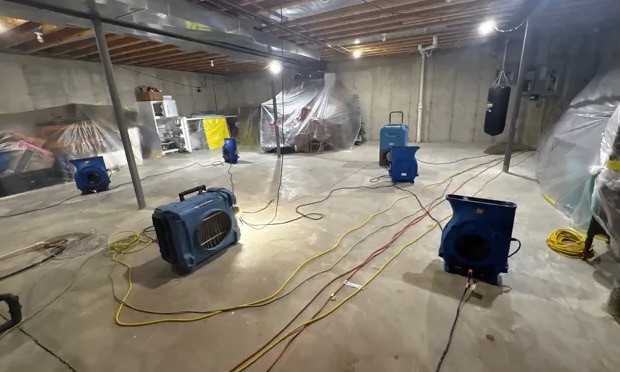
Basement Water Damage Restoration for Southeast Boise Homes
Basement Water Damage Restoration in Southeast Boise usually involves two parts: the emergency work of removing water and the slower work of drying a below-grade space. Both matter for keeping repairs small.
In Southeast Boise, Hillcrest, Harris Ranch and Central Bench, many finished basements hide old moisture behind drywall and flooring. The pros find the water and dry the space before more damage sets in.
Basement Water Damage Restoration Services in Southeast Boise
Basement Sewer Backup Cleanup
After a sewer backup, cleanup and disinfection come before drying, so contaminated surfaces are not left in place.
Basement Floor Water Removal
Wet carpet pad is removed from basement floors, since it holds water against the concrete and dries poorly.
Basement Drying Services
Drying a basement takes longer than drying an upper floor because the air is cool and the concrete holds moisture.
Basement Water Extraction
Extraction starts at the lowest point, often near the floor drain or sump, and works outward until no pooled water remains.
Basement Dehumidification
Dehumidification continues until humidity and material readings are normal. Turning it off too early lets moisture return.
How to Know You Need Basement Water Damage Restoration in Southeast Boise
Efflorescence on Concrete Walls
White, chalky deposits on concrete walls mean water is moving through the concrete and leaving minerals behind.
Mold on Surfaces
Dark spots on drywall, framing or stored boxes mean the area has stayed wet for days.
Sewage Odors or Backups
Sewage smells or water coming up through a floor drain mean the sewer line is backing up.
Rusted Appliances or Pipes
Rust on the water heater, furnace base or pipes points to repeated moisture or past flooding.
How Basement Water Damage Restoration Works in Southeast Boise
Step 1: Initial Assessment and Water Removal
The source and type of water are identified, and standing water is removed right away.
Step 2: Focused Drying of Materials
Walls, framing and the slab are dried with directed airflow, with wet insulation removed.
Step 3: Air Quality Management
Air scrubbers filter dust and odors from removal work while drying continues.
Step 4: Documentation for Restoration
Photos, readings and a list of removed materials are prepared for insurance and rebuilding.
What Causes Basement Water Damage Restoration in Southeast Boise
Foundation Cracks and Leaks
Cracks in foundation walls let groundwater and melting snow seep into the basement.
Plumbing Pipe Bursts or Leaks
Supply lines and drain pipes in basement ceilings can crack or burst onto the floor below.
Water Heater or Appliance Leaks
Water heaters, washers and utility sinks in the basement can leak or fail without warning.
Faulty Basement Waterproofing
Old or failed waterproofing on foundation walls lets water through during wet weather.
Residential and Commercial Basement Water Damage Restoration in Southeast Boise
Residential Basement Water Damage Restoration
Finished basements used as living space need carpet, pad and lower drywall checked carefully. Soaked materials are removed so the walls and slab can dry.
Commercial Basement Water Damage Restoration
Businesses with below-grade storage need inventory moved out of the water quickly. Wet stock is separated and documented for insurance.
DIY vs. Professional Basement Water Damage Restoration in Southeast Boise
Sewage in a basement should not be cleaned up without gloves, boots and eye protection. For any backup through a floor drain or toilet, call local restoration pros.
Cost Considerations for Basement Water Damage Restoration in Southeast Boise
The cost of basement water damage restoration in Southeast Boise depends on how much water there is, whether it is clean or sewage and how much finished material must be removed.
Material Saturation
Finished basements with carpet, drywall and insulation take more removal work than bare concrete.
Affected Square Footage
Larger basements need more extraction, more drying equipment and more days of drying time.
Secondary Damage
Damage to furnaces, water heaters and belongings adds repair and replacement costs.
Does Insurance Cover Basement Water Damage Restoration?
Many homeowner policies cover sudden basement water from a burst pipe, but not seepage or groundwater. Sewer backup coverage is often a separate add-on, so check your policy.
Why Choose Local Pros for Basement Water Damage Restoration in Southeast Boise
Industry Drying Standards
Drying follows industry water damage standards, with readings taken at every visit.
Advanced Moisture Detection
Moisture meters and thermal cameras find water in walls and slabs that looks dry.
Mold Prevention Focus
Fast drying is the main way to limit microbial growth in a below-grade space.
Emergency Basement Water Damage Restoration Available in Southeast Boise
Water rising in your basement in Southeast Boise? Shut off power to the basement if it is safe, move what you can and call (208) 537-2633. Help is available 24/7.
Call Now (208) 537-2633Basement Water Damage Restoration Near Southeast Boise: Areas Served
Help with basement water damage restoration reaches Hillcrest, Harris Ranch and Central Bench, plus other communities around Southeast Boise, for finished and unfinished basements alike.
- Basement Water Damage Restoration in Hillcrest
- Basement Water Damage Restoration in Harris Ranch
- Basement Water Damage Restoration in Boise
- Basement Water Damage Restoration in Central Bench
- Basement Water Damage Restoration in Morris Hill
- Basement Water Damage Restoration in North End Boise
- Basement Water Damage Restoration in Maple Grove
- Basement Water Damage Restoration in Winstead Park
FAQ for Basement Water Damage Restoration in Southeast Boise
Should I try below-grade waterproofing myself after flooding?
Sealing a small crack can be a DIY job, but drying must come first, and larger waterproofing work should go to a contractor.
What causes the most common below-grade leaks in homes?
Sump pump failures, foundation cracks, clogged drain tile, sewer backups and burst pipes in the basement ceiling.
What equipment is used for below-grade water damage repair?
Submersible pumps, extractors, air movers, large dehumidifiers, moisture meters and air scrubbers for dust and odor.
Is basement floor water removal different from carpet extraction?
Yes. Bare concrete is squeegeed and dried, while carpet and pad need extraction, and the pad is usually replaced.
Why is fast response important for below-grade flood restoration?
Basements dry slowly, so every hour of standing water adds days of drying and more material to replace.