South Meridian, ID
Basement Water Damage Restoration in South Meridian, IDBasement Floor Water Removal & Basement Sewer Backup Cleanup
Basement Water Damage Restoration in South Meridian includes emergency basement flood cleanup, basement sewer backup cleanup and basement wall drying.
Answered 24/7
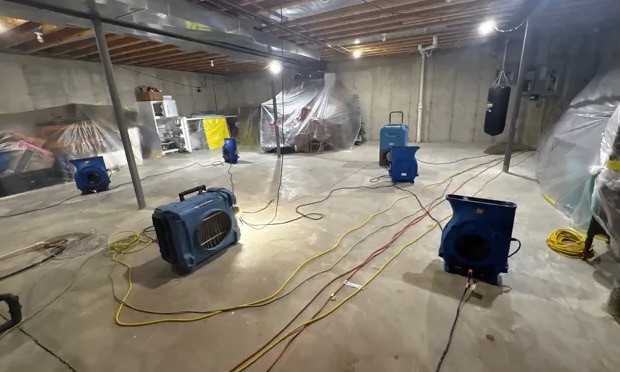
Professional Basement Water Damage Restoration in South Meridian, ID
A basement dries slower than any other part of a house. The air is cool, there is little sunlight and the concrete holds moisture for a long time. In South Meridian, that makes fast extraction and steady dehumidification important.
Basement Water Damage Restoration Services in South Meridian
Basement Floor Water Removal
Water on a concrete floor is squeegeed and extracted, and floor coverings such as carpet, vinyl or laminate are lifted to dry the slab.
Basement Sewer Backup Cleanup
Sewage that backs up through a floor drain or toilet is extracted with protective gear, and the area is contained from the rest of the house.
Emergency Basement Flood Cleanup
A flooded basement can damage furnaces, water heaters and stored items quickly. Fast pumping limits how much is lost.
Basement Dehumidification
Large dehumidifiers pull moisture from the basement air so walls, framing and the slab can release their water.
Basement Water Extraction
Basement water is removed before drying starts, because every gallon left behind keeps the walls and air damp.
Warning Signs You Need Basement Water Damage Restoration
Mold on Surfaces
Dark spots on drywall, framing or stored boxes mean the area has stayed wet for days.
Sewage Odors or Backups
Sewage smells or water coming up through a floor drain mean the sewer line is backing up.
Efflorescence on Concrete Walls
White, chalky deposits on concrete walls mean water is moving through the concrete and leaving minerals behind.
Wet or Stained Basement Walls
Dark, wet patches or tide lines on basement walls show where water seeped in or wicked up.
How Basement Water Damage Restoration Works in South Meridian
Step 1: Initial Assessment and Water Removal
The source and type of water are identified, and standing water is removed right away.
Step 2: Focused Drying of Materials
Walls, framing and the slab are dried with directed airflow, with wet insulation removed.
Step 3: Air Quality Management
Air scrubbers filter dust and odors from removal work while drying continues.
Step 4: Documentation for Restoration
Photos, readings and a list of removed materials are prepared for insurance and rebuilding.
Why Basement Water Damage Occurs in South Meridian
Faulty Basement Waterproofing
Old or failed waterproofing on foundation walls lets water through during wet weather.
Window Well Flooding
Window wells without drains or covers fill with rain and leak through basement windows.
Sump Pump Mechanical Failure
A sump pump that fails, loses power or is too small lets groundwater rise into the basement.
Foundation Cracks and Leaks
Cracks in foundation walls let groundwater and melting snow seep into the basement.
Basement Water Damage Restoration for Homes and Businesses in South Meridian
Residential Basement Water Damage Restoration
Finished basements used as living space need carpet, pad and lower drywall checked carefully. Soaked materials are removed so the walls and slab can dry.
Commercial Basement Water Damage Restoration
Businesses with below-grade storage need inventory moved out of the water quickly. Wet stock is separated and documented for insurance.
DIY vs. Professional Basement Water Damage Restoration in South Meridian
You can move belongings off the floor and run a household dehumidifier. Drying soaked walls and slabs needs larger equipment and moisture readings to confirm the space is truly dry.
Understanding Basement Water Damage Restoration Pricing in South Meridian
The cost of basement water damage restoration in South Meridian depends on how much water there is, whether it is clean or sewage and how much finished material must be removed.
Water Category
Clean water costs less to handle than sewage, which needs protective gear, removal and disinfection.
Material Saturation
Finished basements with carpet, drywall and insulation take more removal work than bare concrete.
Affected Square Footage
Larger basements need more extraction, more drying equipment and more days of drying time.
Does Insurance Cover Basement Water Damage Restoration?
Many homeowner policies cover sudden basement water from a burst pipe, but not seepage or groundwater. Sewer backup coverage is often a separate add-on, so check your policy.
Benefits of Local Pros for Basement Water Damage Restoration in South Meridian
Containment Strategies
Plastic sheeting keeps contaminated areas separate from clean parts of the house.
Advanced Moisture Detection
Moisture meters and thermal cameras find water in walls and slabs that looks dry.
Structural Integrity Assessment
Walls, stairs and framing are checked for damage before work begins in the basement.
Round-the-Clock Emergency Basement Water Damage Restoration in South Meridian
A flooded basement damages walls, furnaces, water heaters and belongings quickly. Call (208) 537-2633 for basement water damage restoration in South Meridian at any hour.
Call Now (208) 537-2633Local Basement Water Damage Restoration Coverage: South Meridian and Beyond
Help with basement water damage restoration is available across South Meridian, including basement water extraction and basement drying services.
- Basement Water Damage Restoration in Adrian
- Basement Water Damage Restoration in Amity
- Basement Water Damage Restoration in Annex
- Basement Water Damage Restoration in Avimor
- Basement Water Damage Restoration in Barber Valley
- Basement Water Damage Restoration in Big Bend
- Basement Water Damage Restoration in Black Cat
- Basement Water Damage Restoration in Boise Hills Village
Your Basement Water Damage Restoration Questions Addressed
What does below-grade moisture removal include beyond pumping?
Extracting carpet and pad, opening wet walls, running air movers and dehumidifiers, and checking readings until dry.
Why is dehumidification so important after basement water removal?
Basements hold moisture in the air and concrete. Without dehumidifiers, walls and framing stay damp long after the water is gone.
How is basement restoration documented for insurance?
With photos of the water level and damage, moisture readings, a list of removed materials and daily drying logs.
Why is fast response important for below-grade flood restoration?
Basements dry slowly, so every hour of standing water adds days of drying and more material to replace.
Should I try below-grade waterproofing myself after flooding?
Sealing a small crack can be a DIY job, but drying must come first, and larger waterproofing work should go to a contractor.