Boise Hills Village, ID
Basement Water Extraction in Boise Hills Village, IDEmergency Basement Drying & Basement Mold Prevention Services
Basement Water Extraction in Boise Hills Village covers basement flood water extraction, basement sewage backup cleanup and emergency basement drying.
Answered 24/7
Need Basement Water Extraction in Boise Hills Village, ID?
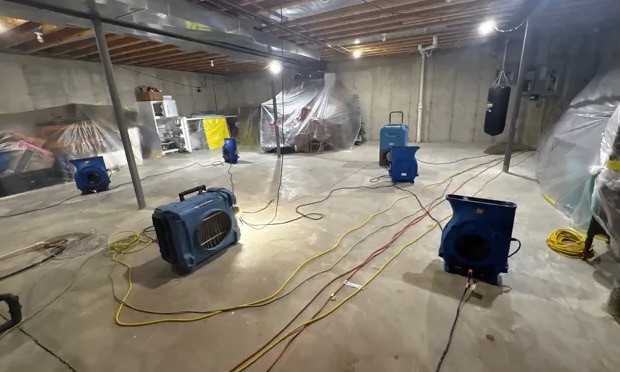
Basements dry slowly. Cool air, little sunlight and thick concrete hold moisture for a long time. In Boise Hills Village, extraction is followed by days of dehumidification to bring the space back to normal.
Basement Water Extraction Solutions Available in Boise Hills Village
Emergency Basement Drying
Fast drying keeps a wet basement from turning into a musty one. Equipment is adjusted daily based on moisture readings.
Basement Mold Prevention Services
After drying, an antimicrobial can be applied to studs, sill plates and the slab to slow mold on surfaces that stay in place.
Basement Flood Water Extraction
Flood water in a basement is removed in stages: pumps for depth, extractors for floors and carpet, and wet vacs for corners and stair landings.
Foundation Leak Water Extraction
Moisture meters show how far seepage spread behind finished walls, so the right sections are opened and dried.
Sump Pump Failure Water Removal
Once the water is out, the sump pit is checked so you know whether the pump, float switch or power caused the failure.
How to Know You Need Basement Water Extraction in Boise Hills Village
Water Stains on Walls
Tide lines or dark patches on basement walls show where water seeped in or wicked up.
Damp or Wet Carpeting
Carpet that feels damp or cold underfoot is holding water in the pad against the concrete.
Visible Standing Water
Any standing water on the basement floor needs to be pumped out before it soaks into walls and framing.
Cracked Foundation Walls
Cracks in foundation walls, especially with damp edges, are common entry points for water.
How Basement Water Extraction Works in Boise Hills Village
Step 1: Initial Flood Water Pump Out
Submersible pumps remove deep water, starting at the lowest point near the floor drain.
Step 2: Material-Specific Water Removal
Carpet, pad, drywall and flooring are each extracted, dried or removed based on readings.
Step 3: Controlled Drying
Dehumidifiers and air movers keep humidity low so walls and concrete can release their water.
Step 4: Final Sanitizing and Odor Control
Remaining surfaces are cleaned, and musty or sewage odors are addressed before repairs.
Leading Causes of Wet Basements in Boise Hills Village
Foundation Cracks and Leaks
Cracks in foundation walls and floors let groundwater seep in during wet weather.
Heavy Rainfall or Storm Flooding
Heavy rain saturates the soil around the foundation and pushes water into the basement.
Appliance Malfunctions and Overflows
Washers, utility sinks and dehumidifier drains in the basement can overflow or leak.
Sewer Line Backup or Blockage
Tree roots, grease or a collapsed pipe can block the sewer line and push wastewater back up.
Local Basement Water Extraction for Any Property in Boise Hills Village
Residential Basement Water Extraction
Homeowners with finished basements need carpet, pad and lower drywall checked closely. Wet materials are removed so the framing and slab can dry fully.
Commercial Basement Water Extraction
Businesses with below-grade inventory need wet stock moved out and documented. Extraction and drying are planned around operations where possible.
Basement Water Extraction vs. DIY: When to Call the Pros
Never wade into basement water if cords, outlets or appliances are in it. Shut off power at the panel if you can reach it safely, then call (208) 537-2633.
Factors Influencing Basement Water Extraction Prices in Boise Hills Village, ID
Sewage cleanup, finished walls, flooring removal and storm-night calls all add to the total for basement water extraction in Boise Hills Village.
Extent of Flooding
Deeper water and larger flooded areas take more pumping, extraction and equipment.
Specialized Equipment Needs
Large pumps, extra dehumidifiers or air scrubbers for sewage jobs add to equipment costs.
Basement Finishes and Materials
Finished basements with carpet, drywall and laminate need more removal than bare concrete.
Does Insurance Cover Basement Water Extraction?
Photograph the water level, belongings and appliances before cleanup starts, and keep receipts for emergency pumping and extraction to send to your adjuster.
The Value of Expert Basement Water Extraction in Boise Hills Village
Finished Basement Experience
Wet drywall, insulation and flooring in finished spaces are opened up so moisture is not sealed in.
Industry Drying Standards
Extraction and drying follow industry water damage standards, with readings at every visit.
Structural Drying Focus
Walls, framing and the slab are dried, not just the floor surface.
Around-the-Clock Basement Water Extraction for Boise Hills Village, ID
Water rising in your basement in Boise Hills Village? Shut off power to the basement if it is safe, move what you can and call (208) 537-2633. Help is available 24/7.
Call Now (208) 537-2633Local Basement Water Extraction Coverage for Boise Hills Village and Surroundings
Homes and businesses throughout Boise Hills Village can get foundation leak water extraction and basement carpet water removal as part of basement water extraction.
Frequently Asked Questions About Basement Water Extraction
How is moisture removal verified after basement drying?
Readings on walls, framing and slab are compared to dry areas until they match.
Can a basement be dried without removing drywall?
Sometimes, if the water was clean and caught early. Soaked or contaminated drywall is cut out above the water line.
Can basement carpet be saved after water damage?
Sometimes, if the water was clean and removed quickly. The pad is usually replaced, and carpet touched by sewage is removed.
What should I do while waiting for basement water extraction?
Make power safe if you can, move belongings above the water, avoid sewage and take photos of the damage.
What happens during foundation leak water extraction?
Water is removed from the floor along the leaking wall, wet drywall and insulation are opened, and the area is dried.