Avimor, ID · Ada County
Behind Wall Water Extraction in Avimor, IDEmergency Behind Wall Water Removal & Wet Drywall
Behind Wall Water Extraction in Avimor runs from wall leak source identification and wall cavity water extraction to moisture barrier installation.
Answered 24/7
Need Behind Wall Water Extraction in Avimor, ID? Call (208) 537-2633
When a pipe bursts inside a wall in Avimor, water can pour out at the floor, through outlets or into the room below. Shutting off the main is the first step.
Homes in Avimor and nearby Hidden Springs, Eagle and Collister have plumbing, wiring and insulation inside their walls, all of which can hide a leak. The pros find the water, open the wall where needed and dry the cavity.
Comprehensive Behind Wall Water Extraction Offered in Avimor
Emergency Behind Wall Water Removal
Emergency removal starts with shutting off the water, then opening the wall where needed and extracting water from the cavity and floor.
Wet Drywall
Wet drywall from clean water can sometimes be dried in place. Drywall wet with dirty water or for days is usually replaced.
Moisture Barrier Installation
A vapor barrier that trapped water against the studs is removed during drying, and a new one is installed only after readings are normal.
Interior Wall Drying Services
Dry air is pushed into the wall cavity through small holes near the base, while dehumidifiers pull moisture out of the room.
Post-Extraction Wall Sanitization
If the water came from a drain or sewer line, the cavity is cleaned and disinfected before it is closed up.
Indicators You Require Behind Wall Water Extraction in Avimor
Increased Humidity in Home
A home that feels more humid than usual can have wet materials inside the walls.
Warped or Bubbling Drywall
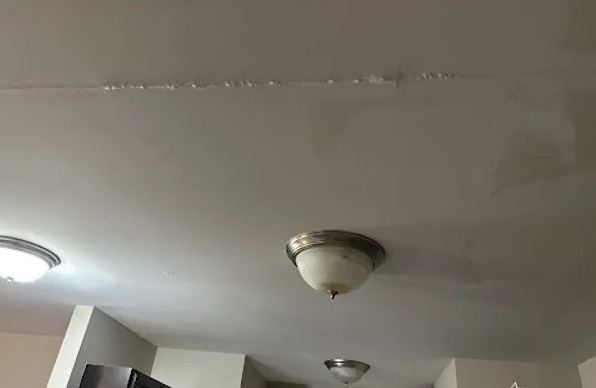
Drywall that bubbles, bows or warps has water behind it pushing on the paper face.
Mold on Baseboards
Dark spots along baseboards mean water has been collecting at the bottom of the wall for days.
Musty Odors in Rooms
A musty smell in one room, especially near a wall with plumbing, often points to a hidden leak.
How Behind Wall Water Extraction Works in Avimor
Step 1: Hidden Water Damage Inspection
Meters and thermal cameras map the wet area inside the wall and along the floor beside it.
Step 2: Wall Cavity Water Extraction
Baseboards or small sections are removed, and water and wet insulation are pulled from the cavity.
Step 3: Interior Wall Drying Process
Dry air is directed into the cavity while dehumidifiers run, with readings taken every day.
Step 4: Post-Extraction Verification and Sanitization
Final readings confirm dry framing, and surfaces that stayed wet can be cleaned and treated.
Sources of Water Inside Walls in Avimor
Burst Pipe From Freezing
Pipes in exterior walls can freeze, split and leak when temperatures drop.
Foundation Cracks and Seepage
Groundwater seeping through foundation cracks can wet the bottom of lower-level walls.
Faulty Shower or Tub Enclosure
Failed grout, caulk or a shower valve leak lets water into the wall behind the shower.
Appliance Supply Line Leaks
Supply lines for refrigerators, washers and dishwashers can leak into the wall behind them.
Residential and Commercial Behind Wall Water Extraction in Avimor
Residential Behind Wall Water Extraction
In apartments and condos, a leak in one wall can reach the unit next door. Both sides of a shared wall are checked and dried, with records for each.
Commercial Behind Wall Water Extraction
Property managers get photos, readings and source notes for each affected unit, which helps with plumbing repairs and insurance.
Should You Attempt Behind Wall Water Extraction Yourself in Avimor?
Painting over a water stain hides it but does not dry the wall. If the stain returns or grows, there is still water inside; call (208) 537-2633 to have it checked.
Factors Influencing Behind Wall Water Extraction Price in Avimor
Insulation replacement, drain water cleanup, drywall patching and after-hours calls all add to the total for behind wall water extraction in Avimor.
Access Method Needed
Drying through small holes costs less than cutting out and replacing large sections of drywall.
Wall Area Affected
A wet section a few feet wide costs less to dry than water spread along a whole wall or several rooms.
Leak Source Complexity
Leaks that are hard to trace, such as roof water running down a wall, take more inspection time.
Does Insurance Cover Behind Wall Water Extraction?
Photograph the stain, the opened wall and the leaking pipe or fitting before repairs, and keep receipts for emergency extraction and drying.
Advantages of Hiring Local Pros for Behind Wall Water Extraction in Avimor
24/7 Emergency Response
Help is available day or night when a pipe bursts inside a wall.
Moisture Barrier Expertise
Vapor barriers in exterior walls are replaced after drying, so the wall works as designed.
Detailed Claim Documentation
Photos, readings and drying logs are kept to support your insurance claim.
Emergency Behind Wall Water Extraction Response in Avimor, ID
If water is coming from outlets or switches, shut off that circuit at the panel and stay away. Then call (208) 537-2633 for help in Avimor.
Call Now (208) 537-2633Behind Wall Water Extraction Services Throughout Ada County
Each place listed below has its own page with local details.
- Behind Wall Water Extraction in Hidden Springs
- Behind Wall Water Extraction in Eagle
- Behind Wall Water Extraction in Collister
- Behind Wall Water Extraction in Horseshoe Bend
- Behind Wall Water Extraction in McMillan
- Behind Wall Water Extraction in Bowmont
- Behind Wall Water Extraction in Middleton
- Behind Wall Water Extraction in Harris Ranch
Behind Wall Water Extraction FAQs
What are signs of water inside walls?
Stains, bubbling paint, soft drywall, musty smells, dripping sounds and a rising water bill.
What is a moisture barrier after water extraction?
A plastic vapor barrier in some exterior walls. If it was damaged or trapped water, it is replaced after the cavity is dry.
How long does interior wall drying take?
Often several days, depending on how long the wall was wet and whether insulation was removed.
Is wall cavity drying always needed after extraction?
Yes. Extraction removes standing water, but studs, plates and insulation stay wet inside a closed wall unless they are dried.
How is a wall leak detected without visible signs?
Thermal cameras and meters can find cool, wet areas, and a water meter test can show a hidden supply leak.