Linder Area, ID
Black Water Extraction (Category 3) in Linder Area, IDContaminated Carpet Water Extraction & Flooded Basement Sewage Cleanup
Black Water Extraction (Category 3) in Linder Area includes septic tank backup cleanup, storm sewer flood water removal and black water drying.
Answered 24/7
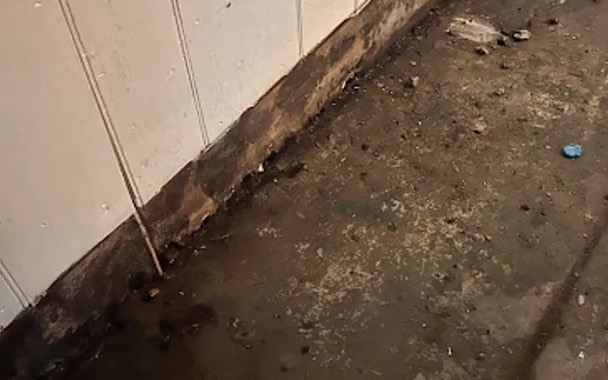
Black Water Extraction (Category 3) Available in Linder Area
Category 3 water, often called black water, is water that carries sewage, bacteria or other serious contaminants. In Linder Area, it most often comes from sewer backups, septic overflows, toilet overflows and outside floodwater.
The Black Water Extraction (Category 3) Process in Linder Area, ID
Contaminated Carpet Water Extraction
Once contaminated carpet is out, the subfloor is cleaned, treated and dried before any new flooring goes down.
Flooded Basement Sewage Cleanup
Sewage or floodwater in a basement is pumped out, contaminated drywall, carpet and insulation are removed, and concrete and framing are disinfected.
Septic Tank Backup Cleanup
Septic backups often come up through the lowest drains. Those rooms are contained, cleaned and dried, and the septic issue is noted for a septic contractor.
Sewage Damage Report for Insurance
Photos, moisture readings, a list of removed materials and drying logs are compiled into a report for your insurance claim.
Black Water Drying
Drying comes last in black water work. Drying before contaminated materials are removed would leave contamination in place.
When to Call for Black Water Extraction (Category 3) in Linder Area
Sewage Backup in Toilet or Sink
Sewage coming up through a toilet, tub or sink means the sewer line is blocked or overloaded.
Sewer Line Backup in Home
Several drains gurgling or backing up at once usually means the main sewer line is blocked.
Toilet Overflow Spreading Water
Toilet water spreading across the bathroom floor is treated as contaminated, even if it looks clear.
Foul Odor From Floor Drain
A sewage smell from a floor drain often means water is backing up or the trap has dried out.
How Black Water Extraction (Category 3) Works in Linder Area
Step 1: Site Safety Containment
Plastic sheeting seals the work area, and air pressure is controlled to keep odors in.
Step 2: Sewage Removal and Extraction
Wastewater is pumped and extracted, and contaminated carpet, pad and drywall are bagged.
Step 3: Cleaning and Disinfection
Remaining framing, concrete and hard surfaces are scrubbed clean and then disinfected.
Step 4: Moisture Mapping and Documentation
Readings are taken across the area, and photos and logs are kept for insurance.
Common Sources of Category 3 Water Damage in Linder Area
Sump Pump Failure
A sump pump failure during a storm can let contaminated groundwater fill the basement.
Broken Sewage Pipe
Cracked or collapsed sewer pipes leak wastewater under slabs, in crawl spaces and inside walls.
Appliance Drain Line Leak
A blocked washer or dishwasher drain can push dirty water back onto the floor.
Sewer Main Line Blockage
Tree roots, grease and debris block the main sewer line and push wastewater back into the home.
Black Water Extraction (Category 3) for Homes and Businesses in Linder Area
Residential Black Water Extraction (Category 3)
In homes, black water usually comes from a sewer backup, septic overflow or toilet. The affected rooms are contained, cleaned, disinfected and dried, and the family is told which rooms to avoid.
Commercial Black Water Extraction (Category 3)
In restaurants, offices and stores, a sewage backup can close the business. Contained cleanup and disinfection are planned to reopen safely as soon as possible.
The Dangers of DIY Black Water Extraction (Category 3) and the Pros Alternative
Bleach on a sewage spill can create fumes and does not clean porous materials. Contaminated carpet and drywall need to be removed, not just sprayed.
Understanding Black Water Extraction (Category 3) Costs in Linder Area
In Linder Area, removal and disposal of contaminated carpet, drywall and insulation make up a large share of black water cleanup costs.
Documentation Needs
Detailed documentation for insurance adds some time to the job but supports the claim.
Contaminated Material Disposal
Contaminated materials must be bagged and disposed of properly, which adds handling costs.
Required Drying Time
Drying after cleanup can take several days, and each day adds equipment time.
Does Insurance Cover Black Water Extraction (Category 3)?
Standard homeowner policies often exclude sewer backups unless you added a sewer backup endorsement. Check your policy and call your insurer before cleanup if you can.
Why Choose Local Pros for Black Water Extraction (Category 3) in Linder Area
Drying Process
Drying starts only after cleaning and disinfection, so contamination is not left in place.
Material Salvage Assessment
The pros assess which belongings and materials can be cleaned and which must be discarded.
Detailed Damage Documentation
Photos, readings and removal lists are kept to support your insurance claim.
24/7 Emergency Black Water Extraction (Category 3) for Linder Area
The sooner black water is removed, the less material must be thrown away. Call (208) 537-2633 for black water extraction (category 3) in Linder Area right away.
Call Now (208) 537-2633Black Water Extraction (Category 3) in Linder Area and Other Areas Served
Homes and businesses throughout Linder Area can get contaminated carpet water extraction and septic tank backup cleanup as part of black water extraction (category 3).
- Black Water Extraction (Category 3) in Adrian
- Black Water Extraction (Category 3) in Amity
- Black Water Extraction (Category 3) in Annex
- Black Water Extraction (Category 3) in Avimor
- Black Water Extraction (Category 3) in Barber Valley
- Black Water Extraction (Category 3) in Big Bend
- Black Water Extraction (Category 3) in Black Cat
- Black Water Extraction (Category 3) in Boise Hills Village
Black Water Extraction (Category 3): Your Questions Answered
How is storm sewer flood water different from a pipe leak?
It carries soil, debris and contaminants from outside, so it is treated as Category 3 rather than clean water.
What safety measures are used during extraction?
Protective gear, plastic containment, controlled air pressure and air scrubbers to keep contamination in the work area.
What areas need black water sanitization?
Every surface the water touched, including floors, lower walls, framing, cabinets and anything kept from the affected rooms.
Is sewage backup cleanup dangerous?
It can be. Sewage carries bacteria and viruses, so cleanup needs protective gear, containment and disinfection.
What happens during the black water drying process?
After contaminated materials are removed and surfaces disinfected, air movers, dehumidifiers and air scrubbers dry the structure.