Riverside, ID · Canyon County
Broken Pipe Water Removal in Riverside, IDPipe Leak Moisture Inspection & Water Damaged Floor Removal
Broken Pipe Water Removal in Riverside covers broken pipe water extraction, flooded room drying and wet drywall removal.
Answered 24/7
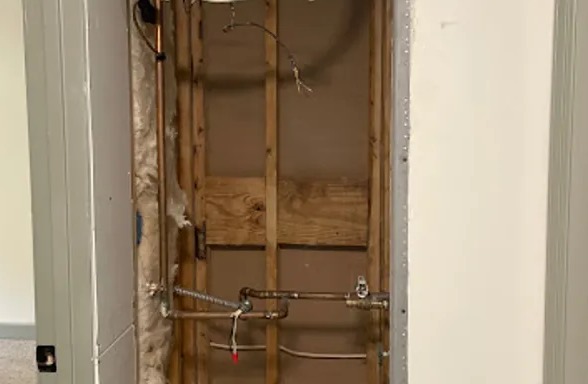
Expert Broken Pipe Water Removal for Riverside Homes
Broken Pipe Water Removal in Riverside ends with dry readings, not just dry-looking surfaces. Patching a wall or laying new floor over damp framing leads to odors, stains and repeat repairs.
In Riverside, many broken pipe calls involve a supply line under a sink or behind a washer. Local water extraction experts serve Riverside, Marsing, Huston and Victory, extracting the water and drying the area.
Detailed Broken Pipe Water Removal Offerings
Pipe Leak Moisture Inspection
Readings are recorded at the start and at each visit, giving you and your insurer a clear record of the drying.
Water Damaged Floor Removal
Flooring that cupped, buckled or delaminated after a broken pipe is pulled up and bagged, and the subfloor is dried.
Wet Drywall Removal
Removing the lower section of wet drywall is often faster and cheaper than trying to dry it for weeks inside a closed wall.
Flooded Room Drying
Air movers and dehumidifiers dry the walls, floor and framing in each wet room, with readings taken daily until they are back to normal.
Broken Pipe Water Extraction
A broken supply pipe keeps pushing water until it is shut off. Extraction starts right after, beginning where the water is deepest.
Signs Your Property Needs Broken Pipe Water Removal
Unusual Sounds From Pipes
Hissing, dripping or rushing water sounds in walls when no fixtures are on point to a leak.
Warped or Buckling Flooring
Flooring that cups, buckles or lifts near a wall or cabinet usually has water underneath.
Damp or Bulging Drywall
Drywall that feels damp, looks stained or bulges outward often has a leaking pipe behind it.
Sudden Drop in Water Pressure
A sudden drop in water pressure at one or more fixtures can mean a pipe has broken somewhere.
How Broken Pipe Water Removal Works in Riverside
Step 1: Emergency Broken Pipe Cleanup
The main is shut off, power to wet areas is checked and standing water is extracted right away.
Step 2: Water Damaged Floor Removal
Flooring that trapped water underneath is lifted so the subfloor can be dried and checked.
Step 3: Burst Pipe Mold Prevention
Wet framing is dried quickly, and surfaces that stayed wet can be treated once they are dry.
Step 4: Verification of Dry Conditions
Readings confirm every material is back to normal before the area is handed over for repairs.
Common Causes Requiring Broken Pipe Water Removal in Riverside
Corroded or Aged Plumbing
Old galvanized or copper pipes corrode from the inside and eventually crack or develop pinholes.
Ground Settlement or Shifting
Soil movement under a slab or foundation can bend and crack buried pipes.
Frozen Pipe Expansion and Rupture
Water left in pipes in unheated spaces can freeze, expand and split the pipe.
Tree Root Intrusion Into Lines
Tree roots grow into drain and sewer lines, cracking them and causing leaks and backups.
Broken Pipe Water Removal for All Property Types in Riverside
Residential Broken Pipe Water Removal
Homeowners often want to save cabinets and flooring. Readings show what can be dried in place and what has to be replaced, which keeps the repair as small as possible.
Commercial Broken Pipe Water Removal
Commercial buildings with long plumbing runs can have water spread far from the break. Readings along walls and ceilings show the full extent before work begins.
Broken Pipe Water Removal vs. DIY: When to Call the Pros
Learn where your main shut-off valve is before a pipe breaks. Once water is spreading, shut it off first, then call (208) 537-2633 for extraction and drying.
Investing in Professional Broken Pipe Water Removal
The cost of broken pipe water removal in Riverside depends on how much water the pipe released, how far it spread and whether drywall or flooring must be removed.
Type of Water Involved
Clean water from a supply pipe costs less to handle than drain water, which needs cleaning and disinfection.
Required Drying Equipment
The number of air movers and dehumidifiers, and how many days they run, drives much of the cost.
Emergency Service Timing
Night, weekend and holiday calls can cost more than a scheduled weekday visit.
Does Insurance Cover Broken Pipe Water Removal?
Coverage for broken pipe water removal depends on the cause and your policy. The pros document the damage and drying, and your insurer decides what is covered.
Why Choose Local Pros for Broken Pipe Water Removal in Riverside
Proactive Mold Prevention
Starting drying soon after extraction is the main way to prevent mold after a broken pipe.
Wet Material Removal Protocol
Only materials that cannot be saved are removed, based on moisture readings rather than guesswork.
Detailed Damage Documentation
Photos, readings and drying logs are kept to support your insurance claim.
Round-the-Clock Broken Pipe Water Removal for Riverside
If water is near outlets, the electrical panel or appliances, stay out of it and shut off power if it is safe. Then call (208) 537-2633 for help in Riverside.
Call Now (208) 537-2633Providing Broken Pipe Water Removal to Riverside and Beyond
The places below are also served, and each one has its own page.
Common Queries About Broken Pipe Water Removal
Why is a moisture inspection needed after water extraction?
Extraction removes surface water, but walls, subfloors and cabinets stay wet inside. Readings show what still needs drying.
How is drying monitored after a broken pipe?
Moisture readings are taken daily on walls, floors and framing, and equipment is adjusted until they reach normal levels.
Why is mold prevention part of broken pipe cleanup?
Materials that stay wet for more than a day or two can support microbial growth, so fast drying is the main prevention.
What should I do right after discovering a broken pipe?
Shut off the main water valve, turn off power to wet areas if safe, move belongings and call for extraction.
What is pipe leak moisture inspection?
Checking walls, floors and ceilings near the leak with meters and thermal cameras to find water that is not visible.