Slyter, ID
Clean Water Extraction (Category 1) in Slyter, IDEmergency Water Mitigation & Appliance Leak Water Cleanup
Homeowners in Slyter get Clean Water Extraction (Category 1) for hard surface floor drying, emergency water mitigation and ceiling leak water removal.
Answered 24/7
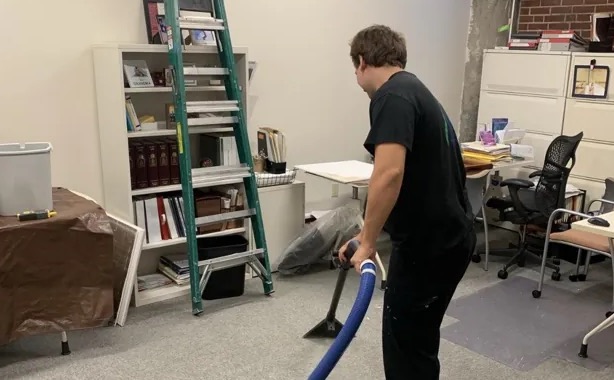
Clean Water Extraction (Category 1) for Slyter Properties
In Slyter, the most common Category 1 leaks come from washing machine hoses, water heaters, refrigerator water lines and sink or toilet supply lines. Each can release a lot of water quickly.
The Clean Water Extraction (Category 1) Process for Properties in Slyter
Emergency Water Mitigation
Emergency mitigation focuses on what is still at risk. Belongings are moved, furniture is set on blocks and the wettest areas are extracted first.
Appliance Leak Water Cleanup
Appliance leaks often spread under the appliance and into the subfloor. The appliance is pulled out so the area beneath can be dried.
Standing Water Pump Out
Pumping removes deep water quickly and keeps it from wicking higher into walls and cabinets while extraction gets under way.
Ceiling Leak Water Removal
Clean water dripping through a ceiling from a pipe or fixture above is drained, and wet drywall and insulation are removed where needed.
Wall Cavity Water Extraction
Moisture readings show how high water wicked into the wall, so only the wet part is opened.
Signs You Need Emergency Clean Water Extraction (Category 1) in Slyter
Standing Water in Basement
Standing water on a basement floor from a pipe or appliance needs pumping before it soaks walls and stored items.
Puddles in Unused Rooms
Water appearing in rooms no one uses often comes from a hidden supply line leak inside a wall or under a floor.
High Indoor Humidity
A room that feels damp or fogs windows after a leak still has wet materials releasing moisture.
Musty Odors After a Leak
A musty smell a day or two after a leak means water is still trapped in carpet, walls or subfloor.
How Clean Water Extraction (Category 1) Works in Slyter
Step 1: Leak Identification and Control
The leaking line, appliance or fixture is found and shut off so no more water enters.
Step 2: Water Removal Process
Water is removed quickly while it is still clean, which keeps more materials salvageable.
Step 3: Dehumidification
Dehumidifiers pull moisture from the air so walls, floors and cabinets can dry evenly.
Step 4: Post-Drying Documentation
Photos, readings and drying logs are provided for your records and insurer.
Typical Origins of Category 1 Water in Slyter
Plumbing Fixture Leaks
Faucets, valves and fixtures develop slow leaks that wet cabinets and floors over time.
Hydrostatic Pressure in Slabs
Groundwater pressure under a slab can push clean water up through cracks in the floor.
Water Heater Failure
Water heaters leak or burst as tanks corrode and fittings wear out.
Overflowing Sinks or Tubs
Sinks and tubs left running overflow with clean water onto floors and into rooms below.
Local Clean Water Extraction (Category 1) for All Properties in Slyter
Residential Clean Water Extraction (Category 1)
Homeowners often worry about hardwood floors. Clean water extracted quickly gives hardwood a good chance of being saved, with slow drying to limit cupping and cracking.
Commercial Clean Water Extraction (Category 1)
Property managers in apartment buildings see water heater and washer leaks between units. Each unit is extracted, dried and documented.
Clean Water Extraction (Category 1) vs. DIY Cleanup in Slyter
You can shut off the water, move belongings, set furniture on blocks and take photos. Extracting water from carpet pad and drying walls needs professional equipment.
Considerations for Clean Water Extraction (Category 1) Expenses in Slyter
The pros check the wet area with meters before pricing clean water extraction (category 1) in Slyter, then explain what can be dried and what may need replacing.
Emergency Service Timing
Night, weekend and holiday calls can cost more than a scheduled weekday visit.
Equipment Needs
The number of air movers, dehumidifiers and pumps needed, and for how long, drives much of the cost.
Drying Time Duration
Drying usually takes a few days, and each extra day adds equipment time to the total.
Does Insurance Cover Clean Water Extraction (Category 1)?
Photograph the water, the source and damaged belongings before cleanup, and keep receipts for emergency extraction and drying equipment for your adjuster.
Advantages of Hiring Local Pros for Clean Water Extraction (Category 1) in Slyter
Clear Communication and Updates
You get plain updates on what is wet, what can be saved and how long drying should take.
Drying Plan
Drying follows a set plan based on readings, with equipment moved as each area dries.
Industry Drying Standards
Drying follows industry water damage standards, with readings taken at every visit.
24/7 Emergency Clean Water Extraction (Category 1) in Slyter, ID
Night, weekend or holiday, local water damage pros handle clean water leaks in Slyter. Call (208) 537-2633 to get extraction and drying started.
Call Now (208) 537-2633Local Clean Water Extraction (Category 1) Areas Including Slyter
Homes and businesses throughout Slyter can get hard surface floor drying and appliance leak water cleanup as part of clean water extraction (category 1).
- Clean Water Extraction (Category 1) in Adrian
- Clean Water Extraction (Category 1) in Amity
- Clean Water Extraction (Category 1) in Annex
- Clean Water Extraction (Category 1) in Avimor
- Clean Water Extraction (Category 1) in Barber Valley
- Clean Water Extraction (Category 1) in Big Bend
- Clean Water Extraction (Category 1) in Black Cat
- Clean Water Extraction (Category 1) in Boise Hills Village
Clean Water Extraction (Category 1) FAQs for Slyter Homeowners
What methods are used for water behind walls?
Small holes or removed baseboards let air into the cavity, wet insulation is removed and the wall is dried until readings are normal.
How is moisture detected after water extraction?
Moisture meters and thermal cameras check floors, walls and ceilings, comparing readings to dry, unaffected areas.
What is clean water extraction (Category 1)?
Removing water from a sanitary source, like a supply line or water heater, and drying the affected materials before the water becomes contaminated.
Can I extract water myself while waiting for help?
You can shut off the water, mop hard floors and move belongings. Carpet pad and wall cavities need professional extraction.
What happens after the water is pumped out?
Carpet and floors are extracted, walls and subfloors are checked with meters and drying equipment runs until readings are normal.