Council, ID · Adams County
Commercial Water Damage Restoration in Council, IDCommercial Ceiling Water Damage & Industrial Water Damage Repair
Commercial Water Damage Restoration in Council covers warehouse water extraction, office water damage cleanup and commercial carpet drying services.
Answered 24/7
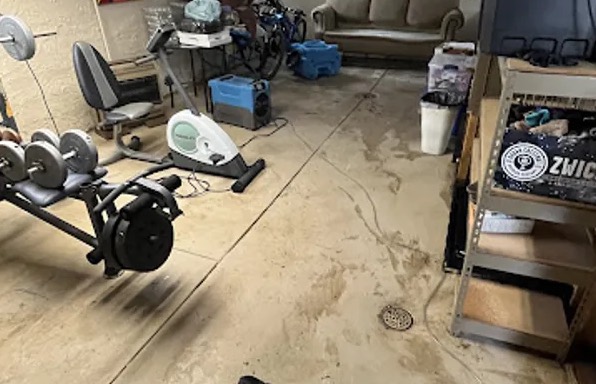
Commercial Water Damage Restoration Experts Serving Council
Water damage at a business costs twice: once for the repairs and again for every day the doors are closed. In Council, commercial water damage restoration focuses on getting water out fast and drying the space so work can continue.
In Council, many commercial water calls follow roof leaks, sprinkler problems or restroom overflows. Local commercial water removal experts serve Council, Cambridge, Donnelly and McCall, working to reopen spaces quickly.
Council Commercial Water Damage Restoration Offerings
Commercial Ceiling Water Damage
Water above a drop ceiling travels along the grid and ductwork. Tiles are checked across a wide area, not just under the drip.
Industrial Water Damage Repair
Plants, shops and production areas are extracted and dried, and water around equipment and electrical panels is handled carefully.
Restaurant Flood Cleanup
Restaurant floods are extracted with protective gear when drain or grease water is involved, and kitchen surfaces are cleaned and disinfected.
Commercial Carpet Drying Services
Carpet tiles that delaminated are pulled and replaced, while sound tiles are dried and left in place.
Retail Store Water Removal
Water is removed from sales floors, stockrooms and fitting rooms, and wet merchandise is separated for the owner and insurer.
Signs of Commercial Water Damage in Council
Musty Odors in Stockrooms
A musty smell in stockrooms or storage areas often means hidden water in walls, carpet or boxes.
Mold on Surfaces
Dark spots on walls, ceilings or stored boxes mean the area has been wet for days.
High Humidity Readings
High humidity readings in a space can mean wet materials are releasing moisture.
Condensation on Windows
Water forming on windows inside a building can mean too much moisture in the air from a leak.
How Commercial Water Damage Restoration Works in Council
Step 1: Flood Water Removal
The source is stopped, stock and equipment are protected and water is pumped and extracted.
Step 2: Detailed Damage Assessment
Meters and thermal cameras map wet floors, walls and ceilings across the space and levels below.
Step 3: Structural Drying Process
Large dehumidifiers and air movers dry walls, slabs and ceiling cavities, with readings daily.
Step 4: Final Verification and Cleaning
Readings confirm the space is dry, areas are cleaned and a report is provided for insurance.
What Causes Commercial Water Damage?
Roof Leaks During Storms
Flat and low-slope commercial roofs leak during storms, often at drains and seams.
Overflowing Sinks or Toilets
Restroom sinks and toilets overflow, sending water into hallways and the floor below.
Sewer Line Backups
A blocked sewer line can back up through restroom and floor drains on the lowest level.
Foundation Cracks and Seepage
Foundation cracks let groundwater seep into lower floors and slabs during wet weather.
Commercial Water Damage Restoration for Council Businesses
Residential Water Damage Restoration
A house usually has one owner and one insurance policy. Drying and repairs follow a simple path once the source is fixed.
Commercial Water Damage Restoration
Multi-tenant buildings may involve the owner, several tenants and several insurers. Each suite is documented separately so claims can be sorted out.
Commercial Water Damage: DIY or Professional Help?
You can stop the source, take photos and close off the wet area. Extracting water from carpet tiles, walls and slabs across a business needs high-capacity commercial equipment.
Understanding Commercial Water Damage Restoration Pricing
The cost of commercial water damage restoration in Council depends on the size of the affected space, the type of water and how much ceiling, wall and flooring material is damaged.
Material Type and Damage
Carpet tiles, drywall, ceiling tiles and wood each take different work to dry or replace.
Content Restoration
Separating, drying and documenting stock and contents adds labor to the job.
Water Damage Category
Clean water costs less to handle than gray or black water, which needs cleaning and more removal.
Does Insurance Cover Commercial Water Damage Restoration?
Photograph damaged stock, equipment and the building before cleanup, and keep receipts for emergency extraction, drying equipment and any after-hours work.
Advantages of Hiring Local Pros for Commercial Water Damage Restoration in Council
Mold Prevention Protocols
Fast drying, and treatment of materials that stayed wet, limits microbial growth in closed spaces.
Damage Assessment
The whole space is checked, including ceilings, walls and floors on levels below.
Industry Drying Standards
Drying follows industry water damage standards, with moisture readings taken at every visit.
Urgent Commercial Water Damage Restoration When You Need It Most
Sprinkler discharge or a roof leak soaking your business space? Call (208) 537-2633 now for commercial water damage restoration in Council and get extraction started.
Call Now (208) 537-2633Local Commercial Water Damage Restoration Service Area
Each place listed below has its own page with local details.
- Commercial Water Damage Restoration in Cambridge
- Commercial Water Damage Restoration in Donnelly
- Commercial Water Damage Restoration in McCall
- Commercial Water Damage Restoration in Midvale
- Commercial Water Damage Restoration in Cascade
- Commercial Water Damage Restoration in Weiser
- Commercial Water Damage Restoration in Huntington
- Commercial Water Damage Restoration in Payette
- Emergency Damage Restoration in 83612
- Storm Damage Restoration in 83612
- Water Damage Restoration in 83612
- Water Extraction Service in 83612
- Water Leak Detection in 83612
- Water Removal Service in 83612
Common Commercial Water Damage Restoration Questions Answered
Why is fast response critical for restaurant flood cleanup?
Restaurants cannot reopen until food areas are clean, dry and safe, so every hour of delay adds lost business.
How is water extracted from a flooded commercial basement?
Water is pumped from the lowest point, the slab and walls are extracted and large dehumidifiers dry the space.
What methods are used for warehouse water extraction in large facilities?
Pumps and high-capacity extractors for the slab, plus large dehumidifiers and many air movers for drying.
What is the goal of commercial drying services?
To dry the building fully and quickly so it can reopen without trapped moisture in walls, floors or ceilings.
What steps help prevent microbial growth after commercial water removal?
Fast drying, humidity control and treating materials that stayed wet with an antimicrobial after drying.