South Cole, ID
Commercial Water Removal in South Cole, IDWarehouse Flood Water Extraction & Restaurant Kitchen Water Cleanup
Commercial Water Removal in South Cole covers office water damage cleanup, warehouse flood water extraction and commercial carpet water extraction.
Answered 24/7
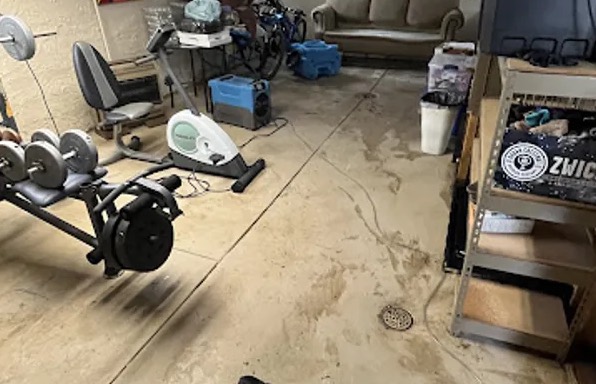
Professional Commercial Water Removal in South Cole, ID
In South Cole, the first hours after a commercial flood decide how long the building will be closed. Water left on slabs and carpet tiles soaks walls and stock, and the drying time grows.
Industrial and Commercial Water Removal in South Cole
Warehouse Flood Water Extraction
Water on a warehouse slab is pumped and squeegeed toward drains, then the rest is extracted with high-capacity units.
Restaurant Kitchen Water Cleanup
Kitchen water often comes from drains or grease lines. It is handled with protective gear and the area is sanitized before drying.
Industrial Facility Drying Services
Equipment that stood in water is noted for the owner's service provider to check before it is restarted.
Retail Store Water Removal
Retail water removal closes off wet sections while the rest of the store stays open where it is safe.
School Water Damage Restoration
Wet ceiling tiles, carpet and drywall in classrooms are removed and dried so rooms can be used again safely.
Common Indicators for Emergency Commercial Water Removal
Damp Drywall or Ceilings
Damp or stained drywall and ceiling tiles show water coming from a leak, roof or unit above.
Discolored or Peeling Paint
Paint that peels or discolors on walls and ceilings usually has moisture behind it.
Soggy Carpet Spots
Spots of soggy carpet or carpet tiles mean water is trapped against the slab underneath.
Malfunctioning Electrical Systems
Lights, outlets or equipment that fail near a leak may have water in them. Keep power off and stay clear.
How Commercial Water Removal Works in South Cole
Step 1: Water Mitigation
The source is shut off, stock is moved and water is kept from reaching dry areas.
Step 2: Targeted Moisture Detection
Meters and thermal cameras check walls, ceilings and floors in nearby suites and floors below.
Step 3: Applied Structural Drying
Equipment is placed for each zone's materials and moved as readings drop each day.
Step 4: Completion and Handoff
The owner walks the space with the pros, and each zone is released for repairs or reopening.
What Causes Water Damage in South Cole Businesses?
Sewer Line Backups
A blocked sewer line can back up through restrooms and floor drains on the lowest level.
Burst Supply Lines
Supply lines and risers in commercial buildings can burst and flood several floors at once.
HVAC System Condensation
Rooftop and ceiling HVAC units overflow when their condensate drains clog, soaking ceiling tiles.
Roof Leaks During Storms
Flat roofs and roof drains leak during storms, sending water through ceilings and onto floors.
Business and Industrial Commercial Water Removal in South Cole
Residential Water Removal
Residential equipment is portable and sized to fit through doors and up stairs into individual rooms of a house.
Commercial Water Removal
Commercial jobs may use truck-mounted extractors, large pumps and high-capacity dehumidifiers to dry warehouses, gyms and office floors.
Commercial Water Removal vs. DIY: When to Call the Pros
Keep staff, students and tenants out of standing water near electrical panels, outlets or machinery. Shut off power only if it is safe to reach, then call (208) 537-2633.
Understanding Commercial Water Removal Costs for South Cole Businesses
A leak caught and extracted the same day in South Cole usually costs far less than one that soaked a building over a weekend.
Material Type
Carpet tiles, drywall, ceiling tiles and wood each need different removal or drying methods.
Drying Time Required
Slabs and dense materials can take several days to dry, and equipment time adds up.
Access Complexity
High ceilings, loading docks, elevators and occupied spaces can slow access to wet areas.
Does Insurance Cover Commercial Water Removal?
Coverage for commercial water removal depends on the cause and your policies. The pros document the damage and drying, and your insurers decide what is covered.
Advantages of Hiring Local Pros for Commercial Water Removal in South Cole
24/7 Emergency Response
Help is available day or night, because commercial floods often happen when buildings are empty.
Clear Communication
Owners and managers get plain updates on progress, closed areas and expected reopening dates.
Prevention of Mold
Fast drying, and treatment of materials that stayed wet, limits microbial growth in closed spaces.
Emergency Commercial Water Removal in South Cole
Sprinkler pipe broken or water pouring through ceiling tiles? Call (208) 537-2633 now for commercial water removal in South Cole and get extraction started.
Call Now (208) 537-2633Commercial Water Removal in South Cole and Other Areas Served
Help with commercial water removal is available across South Cole, including office water damage cleanup and warehouse flood water extraction.
- Commercial Water Removal in Adrian
- Commercial Water Removal in Amity
- Commercial Water Removal in Annex
- Commercial Water Removal in Avimor
- Commercial Water Removal in Barber Valley
- Commercial Water Removal in Big Bend
- Commercial Water Removal in Black Cat
- Commercial Water Removal in Boise Hills Village
Commercial Water Removal FAQ for South Cole, ID
Why is school water damage restoration treated as urgent?
Classrooms need to be safe and dry before students return, so drying is planned around the school schedule.
What are the risks of delaying industrial water removal?
Longer shutdowns, damaged equipment and stock, corrosion and a higher chance of microbial growth.
How is drying progress monitored in industrial flood cleanup?
Readings are taken across the floor and walls every day, and equipment is moved as each zone dries.
Can contents be saved during emergency water removal for businesses?
Some can. Items are moved quickly, separated by condition and listed for the owner and insurer.
What is the first step in commercial water removal?
Making the area safe and stopping the source, then protecting stock, records and equipment before extraction begins.