Chinden Corridor, ID
Emergency Water Extraction in Chinden Corridor, IDCarpet Water Extraction Services & Flooded Basement Water Removal
Emergency Water Extraction in Chinden Corridor includes burst pipe water extraction, wet drywall water removal and emergency water damage cleanup.
Answered 24/7
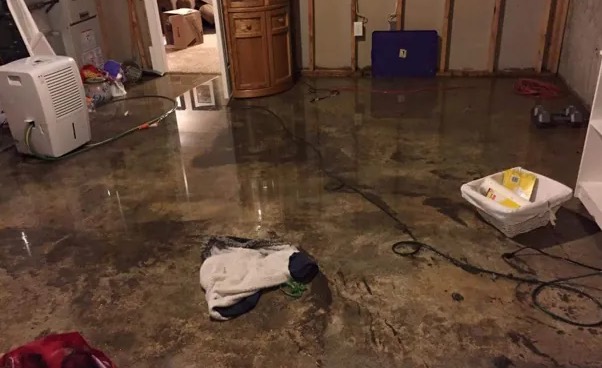
Professional Emergency Water Extraction in Chinden Corridor, ID
Most emergency water calls in Chinden Corridor come from burst pipes, failed water heaters, overflowing toilets, storms and sewer backups. Each one puts water where it should not be, fast.
Key Emergency Water Extraction Procedures in Chinden Corridor
Carpet Water Extraction Services
Carpet wet from clean water and extracted quickly can often be dried and kept, which saves the cost of new carpet.
Flooded Basement Water Removal
Water heaters, furnaces and stored items in a flooded lower level are checked, and wet belongings are moved out first.
Sewage Backup Cleanup
After a sewage backup, soaked porous materials are removed and hard surfaces are disinfected before drying begins.
Wet Drywall Water Removal
Drywall that wicked up water is checked with a meter. Lightly damp drywall can be dried in place, while soaked drywall is cut out.
Burst Pipe Water Extraction
Burst pipes release a lot of water fast. Extraction and drying start as soon as the pipe is shut off, before it soaks into more materials.
When to Call for Emergency Water Extraction in Chinden Corridor
Buckling Hardwood Floors
Hardwood that cups or buckles has absorbed water from a leak above or below it.
Water Stains on Walls
Fresh stains on walls or ceilings show water is spreading from a leak nearby or above.
Musty or Damp Odors
A damp or musty smell after a leak means water is still trapped in carpet, walls or subfloor.
Visible Standing Water
Standing water anywhere inside needs extraction right away, before it soaks into walls, cabinets and subfloors.
How Emergency Water Extraction Works in Chinden Corridor
Step 1: Emergency Response Assessment
Power is made safe, sagging ceilings are checked and people are kept away from hazards.
Step 2: Water Extraction Process
Water is extracted from carpet, hard floors and low spots across every affected room.
Step 3: Targeted Drying and Dehumidification
Air movers and dehumidifiers dry the walls and subfloors where the water soaked in.
Step 4: Final Damage Documentation
Final readings confirm the structure is dry, and records are compiled for your insurer.
Frequent Sources of Water Damage in Chinden Corridor
Fire Suppression System Activation
Damaged or triggered fire sprinkler heads can soak a room or a whole floor quickly.
Sewage System Backup
A blocked sewer line pushes wastewater up through floor drains, tubs and toilets.
Severe Weather and Flooding
Heavy storms and flooding push water into homes and businesses through doors, walls and roofs.
Roof Leaks From Storm Damage
Storm-damaged roofs let rain pour into attics and through ceilings into the rooms below.
Whole-Property Emergency Water Extraction in Chinden Corridor, ID
Residential Emergency Water Extraction
In homes, emergency extraction usually follows a burst pipe, water heater failure or overflowing toilet. Water is removed fast, belongings are protected and the house is dried so the family can return to normal.
Commercial Emergency Water Extraction
In businesses, water at night or over a weekend can flood offices, stores or kitchens. Extraction starts right away so the space can reopen as soon as possible.
When to Hire Local Pros for Emergency Water Extraction in Chinden Corridor
Sewage and floodwater should not be cleaned up without gloves, boots and eye protection. For any backup or flood inside, call local emergency water extraction pros for safe extraction.
Cost Considerations for Emergency Water Extraction in Chinden Corridor
Sewage, floodwater and deep standing water in Chinden Corridor cost more to extract than a clean water leak on one floor.
Affected Square Footage
More square feet of wet flooring and walls means more extraction and more drying equipment.
Location and Accessibility
Lower levels, crawl spaces and tight areas take more effort to reach and drain.
Required Drying Time
Drying usually takes several days, and each extra day of equipment adds to the total.
Does Insurance Cover Emergency Water Extraction?
Insurers expect you to limit further damage. Calling for extraction right away and keeping records helps show that you did.
Advantages of Hiring Local Pros for Emergency Water Extraction in Chinden Corridor
Clear Communication
You get plain updates on what was extracted, what was removed and how drying is going.
Carpet Extraction
Weighted tools press water out of carpet and pad, giving the carpet a good chance of being saved.
Sewage Safety
Sewage is extracted with protective gear, and contaminated areas are cleaned and disinfected.
24/7 Emergency Water Extraction Availability in Chinden Corridor
If water is near outlets, the electrical panel or appliances, stay out of it and shut off power only if safe. Then call (208) 537-2633 for help in Chinden Corridor.
Call Now (208) 537-2633Emergency Water Extraction in Chinden Corridor and Other Areas Served
Homes and businesses throughout Chinden Corridor can get standing water removal and emergency water damage cleanup as part of emergency water extraction.
- Emergency Water Extraction in Adrian
- Emergency Water Extraction in Amity
- Emergency Water Extraction in Annex
- Emergency Water Extraction in Avimor
- Emergency Water Extraction in Barber Valley
- Emergency Water Extraction in Big Bend
- Emergency Water Extraction in Black Cat
- Emergency Water Extraction in Boise Hills Village
Frequently Asked Questions About Emergency Water Extraction
How is wet drywall handled during water removal?
Lightly damp drywall is dried through small holes near the base. Soaked drywall is cut out so the cavity can dry.
How do emergency water extraction pros document damage for insurance?
With photos of the water and damage, moisture readings, a list of removed materials and daily drying logs.
What happens after the water is extracted?
Moisture readings show what is still wet, materials that cannot be saved are removed and drying equipment runs for several days.
How long does drying take after extraction?
Often several days, depending on the materials, the type of water and how long it sat.
How fast should flood water extraction begin?
As soon as the source is stopped and power is safe. Water soaks deeper into materials every hour it sits.