Franklin, ID · Ada County
Floodwater Removal in Franklin, IDFlooded Carpet Water Removal & Flooded Basement Water Extraction
Floodwater Removal in Franklin covers flooded basement water extraction, flooded carpet water removal and flooded room drying services.
Answered 24/7
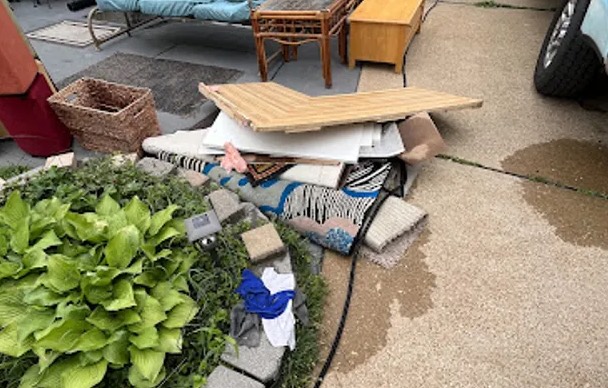
Professional Floodwater Removal in Franklin, ID
In Franklin, removing floodwater is the first step after any flood. It stops the water from spreading, protects belongings and lowers the chance of mold inside walls and under floors.
In Franklin, part of Boise, professional floodwater removal helps protect property values and safety by preventing structural decay. Local restoration pros extract water and pull soaked carpet in an emergency. They also provide support to areas including Central Bench, Morris Hill and Maple Grove when flooding occurs, using industry-standard drying techniques.
The Floodwater Removal Process for Franklin
Flooded Carpet Water Removal
Floodwater removal involves thorough extraction using weighted wands and specialized tools to pull water from deep within the pad and fibers, a key step before professional drying and potential salvage.
Flooded Basement Water Extraction
Standing water in a basement can compromise its structural integrity. The initial floodwater removal phase focuses on rapid pumping and extraction to eliminate the water source.
Contaminated Floodwater Removal
Floodwater often carries dirt, chemicals, and biological contaminants. After extraction, the cleanup phase involves pressure washing, scrubbing, and applying cleaning agents to affected surfaces.
Flood Damaged Drywall Removal
Wet drywall from flooding typically requires removal. Experts cut away damaged sections above the water line to allow air circulation into wall spaces.
Emergency Flood Damage Mitigation
When flooding occurs, emergency mitigation services provide an urgent response. The focus is on extracting water, removing salvageable contents to a dry area, and setting up initial drying systems.
Indicators That Require Floodwater Removal in Franklin
Gurgling Sounds in Drains
Gurgling drains can signal a sewer line problem that may cause backup. Contaminated floodwater needs protective gear and disinfection.
Foundation Cracks Seeping Water
Water seeping through foundation cracks needs pumping out, and the crack should be checked once the area is dry.
High Indoor Humidity Levels
Indoor humidity that stays high after a flood means drying is not finished.
Soggy or Damp Carpeting
Soggy carpet holds water against the subfloor and starts to smell, so it needs extraction and drying.
How Floodwater Removal Works in Franklin
Step 1: Emergency Flood Damage Mitigation
Immediate action by flood damage pros involves containing the water and stopping its flow. Quick action here keeps the repair list shorter.
Step 2: Total Floodwater Pumping
Heavy-duty pumps clear the floodwater from the house before room drying can begin.
Step 3: Deep Drying & Dehumidification
Commercial drying equipment dries the structure deeply so no moisture is left behind.
Step 4: Insurance-Focused Damage Inventory
The scene is documented with notes and photos. Go over them with your insurance adjuster.
Why Floodwater Damage Occurs in Franklin
Landscaping and Grading Issues
Yard grading that slopes toward the building sends storm water at the walls instead of away.
Appliance Malfunctions
Failed washing machine hoses, water heaters, or dishwasher lines can flood a room.
Sewer System Backup
Municipal sewer backups or overwhelmed septic systems can push contaminated water into a home through floor drains and toilets.
Foundation Cracks and Leaks
Cracks in a foundation let groundwater seep in during long, soaking rains.
Both Residential and Commercial Floodwater Removal in Franklin
Residential Floodwater Removal
Residential floodwater extraction often involves confined spaces like basements and crawlspaces. Pros use subfloor drying systems and remove soaked carpet to dry the structure.
Commercial Floodwater Removal
Commercial properties with flat roofs or large footprints are susceptible to pooling water. Local pros check roof drains and use high-capacity pumps to clear flooded areas.
Professional Floodwater Removal or DIY in Franklin
If you think sewage is involved, stay out of the water and do not run any water in the home. Keep people and pets out of the area. Sewage cleanup needs protective gear and disinfectants.
Understanding Floodwater Removal Cost in Franklin
In Franklin, the price goes up if soaked drywall has to be removed or contaminated water needs special cleaning.
Water Category and Contamination
Gray or black water from sewage needs more protective steps and disinfection than clean water.
Required Drying Equipment
The number of air movers, dehumidifiers and air scrubbers needed affects the cost.
Location and Accessibility
Flooded basements or crawl spaces that are hard to reach take more labor to pump and dry.
Does Insurance Cover Floodwater Removal?
Standard homeowners policies usually exclude flood, which separate flood insurance typically covers. The pros document the damage and the materials removed, but you must confirm coverage limits and deductibles with your own insurer.
The Value of Local Pros for Floodwater Removal in Franklin
24/7 Emergency Response
The pros can be reached around the clock to start removing water.
Advanced Moisture Detection
Moisture meters and thermal cameras find hidden dampness in walls and subfloors.
Focused Flood Water Pumping
Submersible pumps remove large amounts of standing water from basements and rooms.
Round-the-Clock Emergency Floodwater Removal in Franklin
Don't wait with contaminated floodwater in your home. For urgent water extraction service and storm flood water pumping in Franklin, reach the pros at (208) 537-2633.
Call Now (208) 537-2633Floodwater Removal Available Throughout Ada County
The places below are also served, and each one has its own page.
Your Floodwater Removal Questions Answered
What is involved in floodwater removal?
Pumping out standing water, extracting water from carpets, setting up drying equipment and checking humidity until the structure is dry.
What steps are taken for water trapped beneath flooring?
Extraction tools draw water from subfloors, though sometimes the flooring has to come up so the subfloor can dry.
What happens during flooded basement water extraction?
Pumps remove the standing water, extractors pull water from floors, and dehumidifiers and air movers dry the space.
How quickly should floodwater extraction begin?
As soon as possible. Starting early limits damage and mold and saves more of the property.
Is flood damaged drywall always removed?
Drywall soaked by floodwater, especially dirty water, usually has to come out so the wall can dry and mold does not start.