Riverside, ID · Canyon County
HVAC Leak Water Removal in Riverside, IDAC Condensate Leak Water Removal & Ductwork Condensation Water Removal
HVAC Leak Water Removal in Riverside covers HVAC cabinet water extraction, emergency HVAC leak cleanup, and wet insulation removal near HVAC.
Answered 24/7
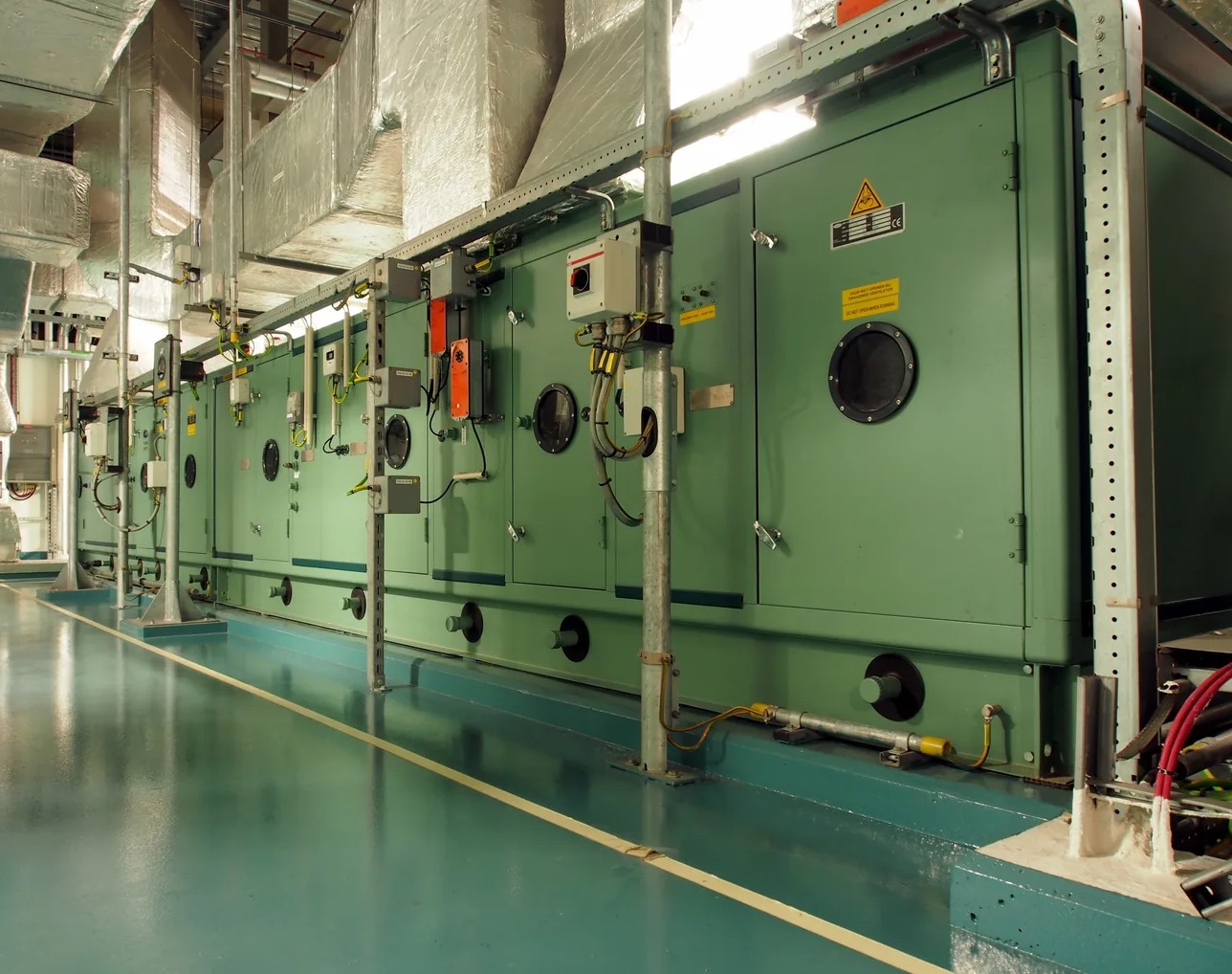
HVAC Leak Water Removal Services for Riverside Residents
In Riverside, an air conditioner can run most of the day in summer, and the condensate it makes has to go somewhere. When the drain fails, that water soaks insulation, rusts metal and wets the drywall nearby.
When an HVAC leak occurs in Riverside, water needs to come out quickly to protect interior finishes and electrical systems. Local water removal pros serve this community and nearby areas like Marsing, Huston and Victory, extracting water around the unit and drying wet ductwork before damage spreads.
HVAC Leak Water Removal Services in Riverside
AC Condensate Leak Water Removal
An overflowing secondary pan from a blocked drain line creates a steady leak. Water extraction experts remove the water to protect the HVAC cabinet and subfloor.
Ductwork Condensation Water Removal
Wet, sagging insulation around ducts signals a condensation problem. Cleanup involves water extraction and drying of duct surfaces and insulation.
Moisture Remediation for HVAC Systems
Once the leak stops, dehumidifiers and air movers are placed to dry the air handler closet, nearby ducts and the room, following industry drying standards.
Coil Leak Water Damage Repair
Coil leak water damaging drywall or cabinetry needs repairs after drying. The pros coordinate drying to prepare for reconstruction.
Wet Insulation Removal Near HVAC
Saturated insulation near the HVAC unit loses R-value and can foster mold. Removal is often necessary for a proper dry-out.
Signs You Require HVAC Leak Water Removal in Riverside
High Indoor Humidity Levels
A home feeling persistently muggy can mean the HVAC system is not properly removing airborne moisture.
AC Drain Line Overflowing
Water spilling from the condensate drain line or its overflow port means the drain is blocked and needs attention now.
Stained Ceilings or Walls Near Vents
Stains on drywall or ceilings around supply vents often trace back to ducts that are sweating or leaking.
Water Damage to Flooring
Warped laminate, cupped hardwood or soaked carpet near the HVAC unit shows the leak has reached the floor.
How HVAC Leak Water Removal Works in Riverside
Step 1: Water Containment
The leak is contained first, then extractors pull water out of the HVAC cabinet and off the floor around it.
Step 2: HVAC Component Damage Evaluation
Wet parts like the drain pan, coil area and controls are noted so an HVAC contractor knows what to check or replace.
Step 3: Structural Drying Protocol
Drying equipment targets wet walls, subfloor and insulation near the unit so damage does not spread.
Step 4: Air Quality Sanitization
Once everything is dry, the cabinet area and nearby surfaces are cleaned to remove odor and residue.
Common Causes of HVAC Water Leaks in Riverside
Worn Gaskets or Seal Failures
Worn seals around access panels or coil sections let water escape the cabinet instead of reaching the pan.
Obstructed Air Filter or Ducts
Badly restricted airflow lets frost build on the cold coil, and the water floods the pan when it melts.
Clogged Condensate Drain Line
Algae, sludge, or debris blocking the primary drain pipe causes water to back up into the HVAC cabinet.
High Static Pressure in Ducts
An oversized system or closed vents can upset airflow and drainage, so condensate does not drain as it should.
HVAC Leak Water Removal for All Properties in Riverside
Residential HVAC Leak Water Removal
In homes with basements or a second-floor unit, an overflow can soak finished rooms below. The water is extracted and the ceiling, walls and floor are dried.
Commercial HVAC Leak Water Removal
In commercial buildings, the pros tackle HVAC drain line flood cleanup affecting server rooms, drop ceilings, and stock areas. They use industrial extractors and dehumidifiers for extraction and structural drying.
DIY vs. Professional HVAC Leak Water Removal in Riverside
You can inspect the condensate drain line's outside termination for blockages. Gently pouring distilled vinegar down the drain may clear minor algae. Check and replace a dirty air filter. Do not open the HVAC cabinet or handle electrical components.
HVAC Leak Water Removal Pricing Considerations in Riverside
In the Riverside area, the cost of HVAC water cleanup depends on how many rooms and materials got wet. Water around coils and cabinets takes careful work in tight spaces.
Post-Extraction Repairs
Some jobs need small drain line or insulation repairs after drying, which are priced separately.
Drying Time and Equipment
The number of days ducts and materials take to dry decides how long the dehumidifiers run.
Emergency Service Timing
HVAC leak cleanup started at night, on weekends or on holidays may be billed at a different rate.
Does Insurance Cover HVAC Leak Water Removal?
For HVAC water cleanup, a policy may cover the water damage but not fixing the failed part. The pros document the wet area and the drying, and the insurer makes the coverage decision.
Advantages of Local Pros for HVAC Leak Water Removal in Riverside
IICRC-Standard Drying Methods
Drying follows industry standards so the unit area, ducts and walls are dry before the system runs again.
Detailed Damage Documentation
Photos and meter readings of the water damage give your adjuster clear records for the claim.
Component-Safe Water Removal
Work around the unit is done carefully so coils, wiring and control boards are not damaged further.
Emergency HVAC Leak Water Removal Services in Riverside
Water damaged HVAC components risk mold and system failure. For fast-response HVAC leak water removal in Riverside, call (208) 537-2633 at any hour.
Call Now (208) 537-2633Areas Served for HVAC Leak Water Removal from Riverside
Other places served are listed below, each with its own page.
HVAC Leak Water Removal FAQ for Riverside Homeowners
What documentation do pros provide for insurance?
The pros take photos and moisture readings and keep a drying log of the cleanup that you can send to your insurer.
Why is fast response critical for a flooded HVAC unit?
Water can damage the unit's wiring, rust metal parts and soak into walls and floors, which makes repairs larger and more expensive.
What's the difference between water extraction and drying?
Extraction removes the liquid water. Drying uses dehumidifiers and air movers to pull out the moisture left in insulation, drywall and wood.
What happens during coil leak water damage repair?
The pros remove the water and dry the coil area. The coil itself is serviced or replaced by an HVAC contractor to stop the leak.
Does HVAC leak water removal prevent mold?
Fast extraction and drying lower the risk a lot. Materials that stay wet longer than a day or two can start to grow mold.