Big Bend, OR
Office Building Water Extraction in Big Bend, ORCeiling Leak Water Removal & Emergency Office Water Extraction
Office Building Water Extraction in Big Bend handles office building flood cleanup, commercial carpet water extraction and wet drywall removal.
Answered 24/7
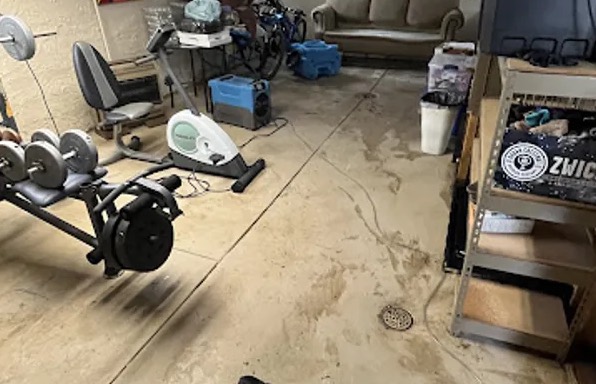
Help With Office Water Damage in Big Bend
Office carpet is glued down, walls hide metal studs and insulation, and drop ceilings hide water above them. That makes office water damage harder to see than it looks.
Office tenants and building managers in Big Bend get photos and moisture logs for each affected suite, which helps when several insurers are involved.
Office Water Removal and Drying in Big Bend, OR
Ceiling Leak Water Removal
Stained tiles are replaced, but the drywall, insulation and ductwork above the grid are checked and dried first.
Emergency Office Water Extraction
After-hours extraction lets a building open the next day with fewer rooms closed. Equipment is placed so hallways and exits stay clear.
Office Records Water Protection
Furniture legs are set on blocks or foam pads so wood and laminate do not wick water while carpet is extracted and dried.
Wet Drywall Removal
Drywall that wicks water above the baseboard is cut a few inches above the wet line. That opens the wall so the studs and insulation can dry.
Office Building Flood Cleanup
Floodwater from outside or a sewer backup is treated as contaminated. Wet porous materials are removed and floors are cleaned and disinfected before drying.
How to Spot Water Damage in an Office Building
Condensation on Windows and Walls
Beads of water on windows or cold walls inside an office mean the air is very humid, often from wet materials nearby.
Swollen Baseboards
Baseboards that swell, split or pull from the wall show that water has wicked up into the drywall behind them.
Dripping Light Fixtures
Water from a ceiling light or diffuser means it has pooled above the ceiling. Shut off the circuit and keep the area clear.
Water Near Floor Boxes
Water around floor outlets, cable trays or raised floors is a safety risk. Keep people away and turn off power to that area.
How Office Building Water Extraction Works in Big Bend
Step 1: After-Hours Response
Help is available 24/7, so extraction can begin at night or on a weekend while the office is empty.
Step 2: Office Building Flood Cleanup
Large amounts of water are pumped and extracted zone by zone, starting with server rooms, corridors and exits.
Step 3: Clean and Treat
Floors and lower walls touched by dirty water are cleaned and disinfected before drying to limit odor and contamination.
Step 4: Drying Around Work Hours
Equipment runs overnight in closed areas and is set up quietly near occupied desks during the day.
Typical Sources of Commercial Water Damage in Big Bend
Frozen Pipes
Pipes in exterior walls or unheated stairwells can freeze and split during a cold snap, then leak when they thaw.
Sprinkler System Discharge
A damaged head or a broken fitting in a fire sprinkler system can release a large amount of water across an office floor.
HVAC Condensate Overflow
Clogged condensate drains on air handlers and rooftop units overflow into ceilings and walls during cooling season.
Window and Wall Leaks
Failed window seals and cracked exterior joints let wind-driven rain into walls and onto carpet along the outside of the building.
Office Building Water Extraction for Mixed-Use and Commercial Properties in Big Bend
Residential Water Extraction
Home offices and live-work units get the same care as any home: water is removed from carpet and walls, and computers and paperwork are moved out of the wet area first.
Office Building Water Extraction
In multi-tenant office buildings, the pros dry each affected suite and keep separate moisture logs and photos, which helps the building owner and each tenant's insurer.
When an Office Leak Needs Water Extraction Pros
Do not use regular vacuums or carpet cleaners on wet office carpet. They are not built for water, and electrical risk is high around floor boxes.
Pricing Office Water Removal in Big Bend
Glue-down carpet, drop ceilings and partition walls each add work. A leak that reached all three costs more than water on a tile floor.
Flooring Type
Glue-down carpet and carpet tiles take more extraction passes than sealed concrete or vinyl, and some tiles may need replacement.
Number of Floors
Water that travels to lower floors means more spaces to extract, dry and document.
Drying Time
Each extra day of dehumidifiers, air movers and moisture checks adds cost, so dense materials that dry slowly raise the total.
Does Insurance Cover Office Building Water Extraction?
Insurance may pay for extraction and drying after a covered office leak. Your insurer decides coverage, so check your policy and deductible.
Why Professional Office Water Extraction Pays Off in Big Bend
Drying Measured, Not Guessed
Equipment comes out only after meters show floors and walls are dry, not when the carpet feels dry to the touch.
Clear Communication
Property managers get a plan for each area and daily updates, so they can tell tenants what to expect.
Night and Weekend Work
Extraction can happen after hours so fewer people are disturbed and the office reopens with less downtime.
Emergency Office Water Removal in Big Bend, OR
Water near computers, files or floor boxes needs quick action. Turn off power to the area and call (208) 537-2633 for emergency office water removal.
Call Now (208) 537-2633Local Office Building Water Extraction for Big Bend and Surroundings
Help with office building water extraction is available across Big Bend, including office water damage cleanup and commercial carpet water extraction.
- Office Building Water Extraction in Adrian
- Office Building Water Extraction in Amity
- Office Building Water Extraction in Annex
- Office Building Water Extraction in Avimor
- Office Building Water Extraction in Barber Valley
- Office Building Water Extraction in Black Cat
- Office Building Water Extraction in Boise Hills Village
- Office Building Water Extraction in Boise
Office Water Extraction Questions Answered
Can ceiling leak water removal prevent a ceiling from falling?
It helps. Removing wet tiles and the water sitting on the grid takes weight off the ceiling, and drying the plenum stops the drip from continuing.
What records will the property manager receive?
Photos, daily moisture readings and a list of removed materials for each affected area, which can be shared with insurers.
Does a small leak under a sink need professional help?
A small spill on a hard floor may not. If water reached cabinets, walls or carpet, extraction and measured drying keep it from spreading.
Do ceiling tiles always need to be replaced?
Stained or sagging tiles are usually replaced, since they are hard to clean and easy to swap out. The drywall and insulation above them are dried.
How do the pros find hidden water in an office?
They use moisture meters and thermal cameras to check under carpet tiles, inside partition walls and above the ceiling grid.